Feature story
A classical Chinese garden
Anyone traveling to Portland, Oregon, has probably heard of the city's celebrated Japanese Garden, widely regarded as one of the finest in the United States. However, far fewer people know about Portland's Classical Chinese Garden, and overlooking it means missing one of the city's most charming cultural attractions.
Avery Rowan
Writer
Lounge note
Settle in — the full story and key updates are below.
Desk
Entertainment
Anyone traveling to Portland, Oregon, has probably heard of the city's celebrated Japanese Garden, widely regarded as one of the finest in the United States. However, far fewer people know about Portland's Classical Chinese Garden, and overlooking it means missing one of the city's most charming cultural attractions.
Compared with the Japanese Garden, the Chinese Garden is considerably smaller. Yet its compact size gives the place a more intimate and immersive atmosphere. After spending time there, I found it surprisingly impressive and well worth visiting.
I am certainly not an authority on the distinctions between traditional Japanese and Chinese garden design, but my general impression is that Japanese gardens often emphasize simplicity, restraint, and subtle symbolism.
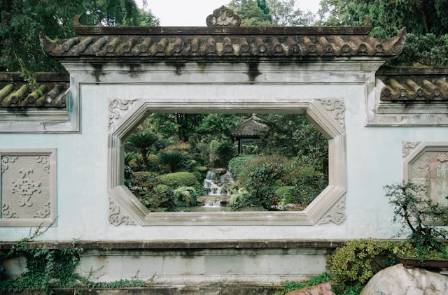
The Classical Chinese Garden also makes extensive use of symbolism, but its approach is noticeably different. Designed as a miniature representation of the natural world, the garden features buildings and decorative details that are considerably more elaborate and richly ornamented than those typically associated with Japanese gardens.
According to the garden's docents, a traditional Chinese garden brings together five essential components: architecture, plants, rocks, water, and poetry. The idea of incorporating poetry directly into a garden adds an especially appealing cultural dimension.
A Partnership Between Portland and Suzhou
The garden, officially known as Lan Su Chinese Garden, was created through a partnership between Portland and its sister city of Suzhou, China, a historic city located near Shanghai. Suzhou was established more than 2,500 years ago and is particularly famous for its classical gardens.
Lan Su Chinese Garden opened to the public in 2000 and was largely inspired by gardens from China's Ming Dynasty, which lasted from 1368 to 1644. Considerable thought went into selecting plants that could thrive in Portland's particular climate while maintaining the character of a traditional Chinese garden.
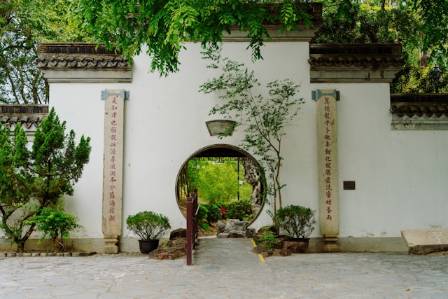
One particularly interesting detail is that the construction materials used for the walls, buildings, and pathways were brought from China, while skilled craftspeople from Suzhou were responsible for much of the construction. The plants, on the other hand, were sourced within the United States. Even so, roughly 90 percent of the plant species originated in China.
Discovering the Garden's Plants
Visitors who enjoy gardening and plants may want to stop at the entrance and pick up the garden's monthly blooming guide. It identifies which plants are expected to be flowering and indicates where they can be found throughout the grounds.
When I visited in September, the list included approximately 40 different plants. Considering the relatively small size of the garden, I thought that was an extraordinary variety.
The guide makes exploring the garden even more enjoyable because visitors can move from one area to another while looking for specific flowers and plants.
Exploring the Garden's Peaceful Spaces
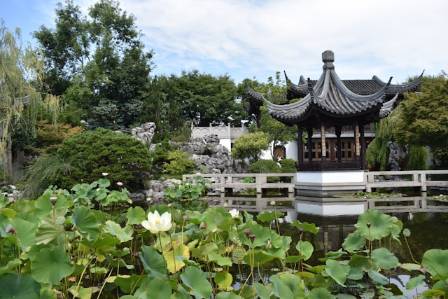
As I walked through the carefully arranged sections of the garden, I encountered a number of distinctive architectural spaces, including the Hall of Embodied Fragrance, the Knowing the Fish Pavilion, and the Tower of Cosmic Reflections.
Moving through these different spaces helped me better appreciate one of the garden's central purposes: creating an oasis where visitors can experience tranquility, beauty, and harmony.
The atmosphere was remarkably calm. Surrounded by water, plants, stonework, architecture, and carefully designed views, I found it difficult to think about leaving.
A Quiet Portland Experience Worth Discovering
Portland's Classical Chinese Garden may not have the size or international recognition of its famous Japanese counterpart, but its intimate scale is part of what makes it so appealing. The combination of Chinese architecture, plants, water, rocks, and poetry creates an experience that feels both peaceful and culturally rich.
For anyone visiting Portland, especially those interested in gardens, architecture, Chinese culture, or simply finding a quiet place away from the city's busier attractions, this garden deserves a place on the itinerary.
And if you cannot visit Portland in person, exploring a virtual tour can still provide a glimpse into this remarkable little oasis and its carefully crafted world of beauty and serenity.
More to explore

· en
London Bridge Has Fallen Down—But It Keeps Coming Back
Daniel Sullivan

· en
Top 5 Most Comfortable Sofas
Elias Whitmore

· en
Fascinating Realities of a Day in the Life of a Historic Lighthouse Keeper
Lucy Marshall

· en
The Best Plants for Windowsill Gardens
Selene Hart

· en
9 Amazing Secrets of Snowy Mountain Ranges
Ethan Carter

· en
Top 8 Stylish Fruit Bowls That Will Elevate Your Kitchen Decor
Lucy