Feature story
Easy Houseplants for Beginners
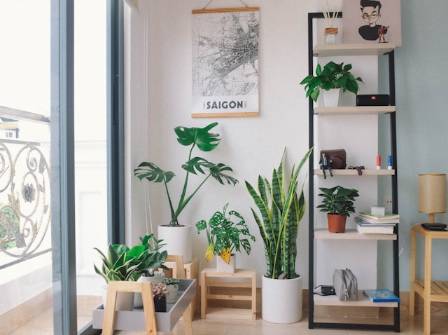
Houseplants have become extremely popular in recent years, with millennials—generally considered the generation born between the early 1980s and around 2000—accounting for roughly one-third of houseplant purchases. For many young adults, indoor plants are especially appealing because they do not require a garden or outdoor yard. They are generally simple to maintain and provide an easy way to bring a touch of nature indoors.
Alice Mercer
Writer
Lounge note
Settle in — the full story and key updates are below.
Desk
Entertainment
Houseplants have become extremely popular in recent years, with millennials—generally considered the generation born between the early 1980s and around 2000—accounting for roughly one-third of houseplant purchases. For many young adults, indoor plants are especially appealing because they do not require a garden or outdoor yard. They are generally simple to maintain and provide an easy way to bring a touch of nature indoors.
Although certain houseplants require very specific growing conditions, most varieties are quite forgiving when their basic needs are met. The following five plants are excellent choices for people who are completely new to gardening, followed by an option that offers a little more of a challenge.
Snake Plant (Sansevieria)
The snake plant adds height and strong vertical form to an indoor plant collection. The genus contains around 70 species, with mature plants ranging from only about 8 inches tall to as much as 12 feet. However, the varieties commonly grown indoors generally reach a height of approximately 2 feet.
Like many succulent plants, snake plants prefer loose, fast-draining soil. Excessive watering is one of the easiest ways to cause trouble, so it is better to let the plant remain dry for extended periods. In moderate or even relatively low light, a snake plant can go for several weeks without water and still remain healthy.
The ideal location is a bright room where the plant receives indirect rather than harsh direct sunlight. Its long, upright leaves are often decorated with attractive cream or yellow-gold margins, giving the plant a sophisticated appearance.
Snake plants are among the most forgiving indoor plants, which is why they are frequently found in shopping centers, offices, and other commercial spaces.
Spider Plant (Chlorophytum comosum)
For gardeners who enjoy creating new plants from existing ones, the spider plant is an excellent choice. A healthy mature plant can produce numerous young offshoots, commonly called spiderettes, particularly during the winter. These babies can be rooted and grown into new plants or shared with friends.
With its unmistakable retro appearance, the spider plant was a particularly popular houseplant during the 1970s and still looks attractive today. Its naturally cascading growth makes it especially well suited to hanging containers, including classic macramé planters.
Spider plants need somewhat more moisture than succulents, although they should never be kept constantly waterlogged. As with many beginner-friendly houseplants, allowing the soil to dry somewhat between waterings is a good practice.
They prefer bright conditions without strong direct sun. Occasional misting of the foliage can also be beneficial. Spider plants tolerate slightly cooler indoor temperatures well, making them quite adaptable.
Pothos (Epipremnum aureum)
With its vivid green or variegated foliage and naturally trailing growth, pothos is an excellent plant for anyone hoping to create a lush, jungle-inspired atmosphere indoors. Given favorable conditions, its vines can reach around 10 feet in length, allowing them to trail around windows, doors, shelves, or other parts of the home.
Pothos is also appreciated for its ability to help improve indoor air quality. It can tolerate a wide range of lighting conditions, although it generally performs best in a room with medium to bright light.
Unlike a snake plant, pothos should not be allowed to become excessively dry. Check the soil regularly and water when the upper inch has dried out. Establishing a consistent watering routine can be helpful, as it prevents the plant from receiving either too much or too little moisture.
Swiss Cheese Plant (Monstera deliciosa)
If you want an indoor plant with a substantial presence without choosing something especially difficult to maintain, monstera is a great option. A mature plant can grow to around 8 feet indoors, while plants growing naturally in the wild can become dramatically larger, reaching heights of up to 60 feet.
As monstera grows, its size and weight may cause it to lean, so providing a stake, support pole, or another form of stabilization can help keep it upright. Its enormous leaves, characterized by natural splits and openings, are responsible for its familiar nickname, Swiss cheese plant.
Choose a generously sized container with a drainage hole and fill it with a quality houseplant mix containing plenty of peat or another material that promotes good drainage. Place the plant in a bright area, with gentle morning sunlight being particularly suitable.
Give the monstera enough room to expand as it matures. If its leaves begin leaning strongly toward the light source, rotate the container periodically so the plant develops more evenly.
Water once the top two inches of soil have dried. During winter, occasional weekly misting can help provide additional moisture to the foliage.
One issue to watch for is mealybugs. Inspect the plant regularly and take action as soon as these pests appear, since dealing with an infestation early is much easier than allowing it to spread.
Aloe Vera (Aloe barbadensis)
Aloe vera is one of the best-known plants associated with traditional medicinal and skin-care uses. Aloe extracts are widely incorporated into skin products, and the plant has long been valued for its reputed soothing and healing qualities.
As an indoor plant, aloe has a distinctive fleshy and somewhat spiky appearance. It consists primarily of thick leaves rather than a conventional stem structure and shares many care requirements with other succulents.
Plant aloe in a loose, well-draining growing medium. A commercial cactus or succulent potting mix is an excellent choice. Water the plant thoroughly, but do so infrequently rather than giving it small amounts of water on a regular basis. Depending on the conditions, watering approximately every three weeks may be sufficient.
Before watering, check the soil rather than relying only on a calendar. The potting mix should be dry about 1 to 2 inches beneath the surface. A bright location with plenty of indirect sunlight is ideal.
Aloe plants can occasionally produce flowers when growing outdoors in suitable natural conditions, but flowering is uncommon for specimens kept as houseplants.
More to explore

· en
Chocolate Boba Milk Tea (Bubble Tea): Creamy, Decadent & Ready in 10 Minutes
Benjamin Walker

· en
New Giant Telescopes Are About To Rock Astronomy
Morgan Hayes

· en
Demystifying Flight Principles: A Deep Dive into the Mechanics of Aviation
Aiden Henry

· en
Purse Styles for Every Occasion
Seren Mae

· en
10 Famous Ships in History and How to Stay Safe on the Water
Paul

· en
Top 5 Most Comfortable Sofas of 2026
Miles Lawson