Feature story
Top 10 Best Houseplants for Cleaner, Healthier Indoor Air
Bringing greenery indoors not only adds beauty to your space but also helps improve your home’s air quality. Many common houseplants act as natural air filters, absorbing pollutants like formaldehyde, benzene, trichloroethylene, and xylene from the air. These toxins can accumulate indoors from everyday sources like paint, furniture, and cleaning products. Fortunately, certain easy-to-grow plants can help you breathe easier while adding a touch of nature to your décor. Below are ten of the best low-maintenance houseplants that purify the air and thrive indoors.
Shirely
Writer
Lounge note
Settle in — the full story and key updates are below.
Desk
Entertainment
Bringing greenery indoors not only adds beauty to your space but also helps improve your home’s air quality. Many common houseplants act as natural air filters, absorbing pollutants like formaldehyde, benzene, trichloroethylene, and xylene from the air. These toxins can accumulate indoors from everyday sources like paint, furniture, and cleaning products. Fortunately, certain easy-to-grow plants can help you breathe easier while adding a touch of nature to your décor. Below are ten of the best low-maintenance houseplants that purify the air and thrive indoors.
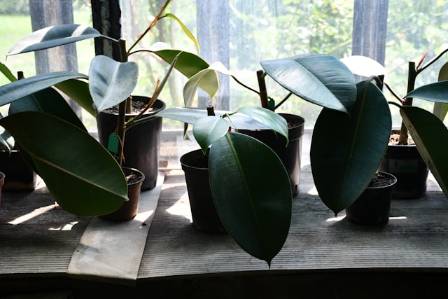
Rubber Plant (Ficus elastica)
This tough houseplant thrives in indirect sunlight and cooler spaces. It's highly efficient at removing formaldehyde from the air. Water every one to two weeks and avoid placing it in direct sunlight, which can scorch its leaves.
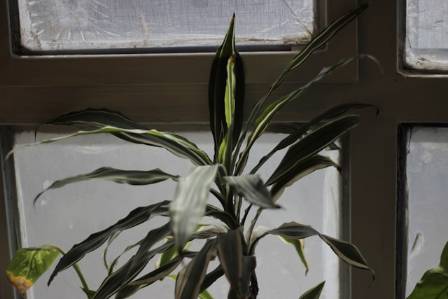
Dracaena ‘Janet Craig’ (Dracaena fragrans)
Also known as the corn plant, this low-light-loving plant is excellent for filtering out trichloroethylene. It’s ideal for beginners and thrives even when slightly neglected. Its tall, glossy leaves make a striking impression in any room.
English Ivy (Hedera helix)
Known for its elegant trailing vines, English ivy adapts well to different indoor conditions but prefers cooler temperatures. It targets airborne mold and toxins. Be cautious around pets, as it can be toxic if ingested.
Pothos (Epipremnum aureum)
A favorite among beginners and experienced plant lovers alike, pothos requires little care and removes a wide range of toxins. It tolerates low light and humidity. Darker-leafed varieties do well in shadier spots, while lighter ones need more light.
Bamboo Palm (Dypsis lutescens)
Also called the areca palm, this tropical plant is excellent at filtering benzene and formaldehyde. It likes partial sunlight and moist soil, so don’t let it dry out completely. A moisture meter can help prevent underwatering.
Boston Fern (Nephrolepis exaltata)
An effective natural purifier, this fern filters xylene and other pollutants but needs higher humidity and regular watering. Place it near a humidifier to mimic its native tropical environment without constant misting.

Peace Lily (Spathiphyllum)
With elegant white blooms and glossy leaves, the peace lily is both decorative and functional. It removes pollutants like acetone, alcohols, and formaldehyde. It thrives in low light but should be kept away from pets, as it's toxic when ingested.
Snake Plant (Sansevieria)
This striking plant, also known as mother-in-law’s tongue, is one of the most low-maintenance air purifiers. It survives low light and irregular watering, making it ideal for busy plant owners. It filters benzene and formaldehyde while converting CO2 to oxygen at night.
Conclusion
Choosing the right houseplants not only enhances your home’s aesthetic but also contributes to a healthier indoor environment. From the low-maintenance snake plant to the humidity-loving Boston fern, these ten houseplants offer both beauty and function. Incorporate a few into your space and enjoy the natural benefits of cleaner air every day.
More to explore

· en
A Lakeside Swedish Log House In The Snow
Callum Hayes

· en
Best Off-Road ATVs
Ethan Clark

· en
Autumn in New York City
Eveline Crowe

· en
Soaring Through Time: A Look at High-Rise Buildings
Emma Parker

· en
French Custard Tart: A Timeless Classic Reinvented
Emma
· en
Six Influence of Flowers on Mental Well-being
Elijah