Feature story
Things to Know Before You Buy a Record Player
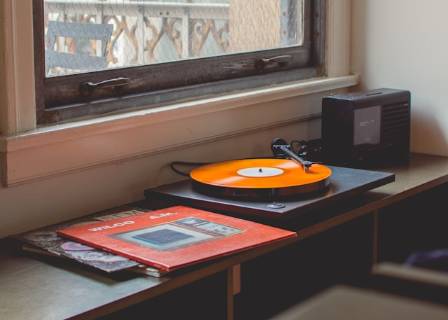
The record player has secured an important position in the development of music history thanks to its remarkably straightforward yet ingenious construction. A vinyl record contains tiny grooves etched into its surface, and these grooves cause the stylus on the turntable to vibrate. Those vibrations are then transformed into the sound we hear.
Clara Whitlock
Writer
Lounge note
Settle in — the full story and key updates are below.
Desk
Entertainment
The record player has secured an important position in the development of music history thanks to its remarkably straightforward yet ingenious construction. A vinyl record contains tiny grooves etched into its surface, and these grooves cause the stylus on the turntable to vibrate. Those vibrations are then transformed into the sound we hear.
Although the technology behind this process may seem surprisingly sophisticated, operating a record player is actually quite simple. With a few basic steps, you can start enjoying your vinyl collection while taking proper care of your records.
How to Operate a Record Player
Handling vinyl correctly is important because dust, fingerprints, and other debris can interfere with the grooves and negatively affect sound quality.
Hold the vinyl only by its outer edges whenever possible. Avoid touching the playing surface because oils from your fingers and accumulated dust can affect playback.
Position the center opening of the record over the turntable spindle and carefully lower the vinyl onto the platter.
Check the required playback speed for the record and select the appropriate RPM setting on the turntable.
Move the tonearm toward the outer edge of the record and gently lower the stylus onto the vinyl. On some players, playback will begin automatically once the needle makes contact.
When the music is over, carefully raise the tonearm and return it to its resting position. Lift the record from the edges, place it back into its protective sleeve, and store it safely.
Manual vs. Automatic Turntables
Automatic turntables are designed to make playback especially convenient. With these models, the tonearm and stylus move into position automatically when you start the record.
Many mid-range and premium turntables instead use a manual system. With a manual player, you are responsible for lifting the tonearm and positioning the stylus over the record yourself.
This process can take a little practice. If your hand is unsteady, accidentally dropping the stylus can potentially damage the vinyl. It can therefore be helpful to practice with a record that you don't mind sacrificing before using a valuable part of your collection.
With a little experience, manually operating a turntable quickly becomes second nature.
Belt Drive vs. Direct Drive
The drive system is another important distinction between turntables.
A belt-drive turntable uses a separate motor connected to the platter by a rubber belt. This configuration is often favored by listeners who prioritize audio quality because the motor is isolated from the platter, which can help reduce unwanted vibration and mechanical noise.
Direct-drive turntables work differently. The platter is connected directly to the motor, allowing it to respond quickly and maintain precise control.
This makes direct-drive models particularly suitable for DJs, who need to manipulate records and control playback directly. Belt-drive models, meanwhile, are often favored by traditional music listeners and audiophiles.
Record Sizes and Playback Speeds
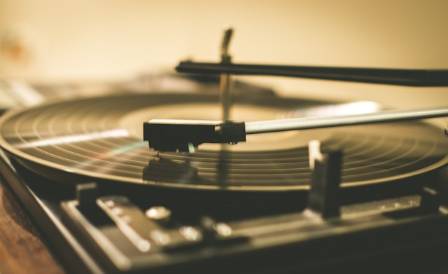
Vinyl records are available in different sizes, and not every record should be played at the same speed. Most turntables include a speed selector that lets you choose the appropriate rotation rate.
7-inch records generally play at 45 RPM and typically contain around five minutes of music per side. They are commonly used for individual singles.
12-inch records most often play at 33 RPM and can hold approximately 22 minutes of audio on each side. This is the standard format most commonly associated with full-length albums.
10-inch records are much less common today and are frequently associated with older recordings. Some of these records play at 78 RPM.
Always check the record itself or its packaging before selecting a playback speed.
Choosing the Right Location for Your Turntable
Where you place your record player can have a significant effect on playback quality.
Try to position the turntable on a solid, stable surface that is not exposed to excessive vibration. A sturdy, heavy table is generally a better choice than a lightweight piece of furniture that can easily shake.
External vibrations can interfere with the stylus and cause the needle to jump, skip, or introduce an unwanted humming sound into your music.
For additional protection, a dedicated turntable shelf or stand designed to minimize vibration can provide a more stable setup.
Listening Privately With Headphones or Speakers
If you want to connect your turntable to external speakers or headphones, make sure your setup includes the necessary phono preamp.
Some turntables have a built-in preamp, while others require an external receiver or phono preamp to amplify the signal correctly.
When using headphones, pay attention to the connector size. Many receivers use a larger headphone connection, so you may need an adapter to connect headphones with a smaller 3.5mm plug to a 1/4-inch jack.
Upgrading Your Turntable
Entry-level record players are often designed to work straight out of the box. Some beginner-friendly models even include their own stands or furniture, allowing you to start playing records without purchasing additional equipment.
Higher-end turntables, however, often give you the opportunity to upgrade individual components as your interest in vinyl grows.
The platter is one important component. Generally speaking, a heavier platter is less susceptible to external vibration, which can contribute to more stable playback.
The tonearm is another key part of the system. Its construction and quality influence how accurately and consistently the stylus follows the record grooves.
The stylus, or needle, is directly responsible for tracing the grooves and retrieving the musical information stored within them. Because it gradually wears down with use, it should be replaced periodically. A commonly suggested replacement interval is around every 1,000 hours of playback, depending on the stylus and usage conditions.
Choosing Speakers
Many inexpensive record players come with built-in speakers, which can be convenient for beginners. However, if sound quality matters to you, upgrading to dedicated external speakers can make a noticeable difference.
Poor-quality speakers can introduce distortion and make even excellent recordings sound disappointing. Good speakers, on the other hand, can significantly improve the listening experience.
If you want strong sound without filling your room with large equipment, bookshelf speakers are worth considering. They are generally around the size of a large shoebox and can pair very well with a mid-range turntable.
Understanding the Price Range
With record players, price often reflects the quality of the components and the overall listening experience.
Choosing the absolute cheapest option may be sufficient for someone who is simply curious about vinyl, but listeners who want the warm, detailed character associated with records will usually benefit from spending somewhat more.
A higher-quality vinyl setup involves more than simply buying the turntable itself. The platter, tonearm, stylus, preamp, and speakers can all influence the final sound.
That said, entry-level record players can still be a perfectly reasonable starting point for new vinyl enthusiasts. Many affordable models include built-in speakers and require very little additional equipment, making it easy to begin exploring the world of vinyl without a major investment.
More to explore

· en
Demystifying Flight Principles: A Deep Dive into the Mechanics of Aviation
Aiden Henry
· en
What are the 5 main types of chilli pepper?
Ronan Pierce

· en
Soaring Through Time: A Look at High-Rise Buildings
Emma Parker

· en
5 Pespectives for Understanding the Dynamics of Social Media in Public Opinion Formation
Dominic
· en
Types of Cherries and How to Use Them
Seraphina Wren

· en
Top 12 Santa Clauses
Alaric Whitmore