Feature story
Master the Art of Pen and Ink: A Guide to Drawing Snow-Capped Mountains
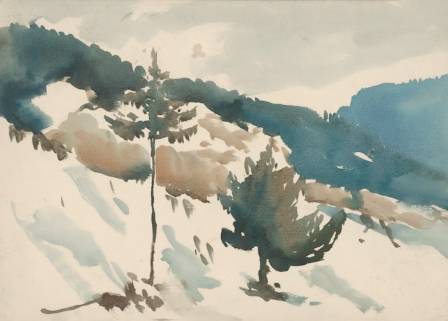
Snow-covered peaks hold a timeless allure, representing rugged adventure and the majestic power of nature. Capturing this specific atmosphere in a drawing is surprisingly accessible once you understand the relationship between light and shadow. This tutorial will guide you through the process of representing these icy heights, enabling you to eventually illustrate them from your own imagination with confidence.
Archer Beaumont
Writer
Lounge note
Settle in — the full story and key updates are below.
Desk
Entertainment
Snow-covered peaks hold a timeless allure, representing rugged adventure and the majestic power of nature. Capturing this specific atmosphere in a drawing is surprisingly accessible once you understand the relationship between light and shadow. This tutorial will guide you through the process of representing these icy heights, enabling you to eventually illustrate them from your own imagination with confidence.
The secret to a convincing mountain scene lies in the contrast between the pristine white of the snow and the dark, craggy texture of the exposed rock. By following a structured approach to layering and linework, you can evoke the feeling of a cold, high-altitude landscape.
Establishing the Foundation and Snow Contours
The first phase of the drawing involves sketching a basic silhouette of the mountain range. Focus on creating varied, angular peaks rather than uniform triangles to suggest a natural, weathered terrain. Once your primary shapes are set, you must define where the snow sits. Snow typically accumulates on the upper reaches in a tapered, irregular fashion.
Instead of using solid lines to mark the snow's edge, use light, dotted outlines to indicate the boundaries of the frozen areas. This subtle approach ensures that the transition between the snow and the mountain body looks organic. Remember that snow doesn't just sit in a flat line; it flows down ridges and settles in crevices, following the underlying anatomy of the rock.
Developing Texture and Visual Contrast
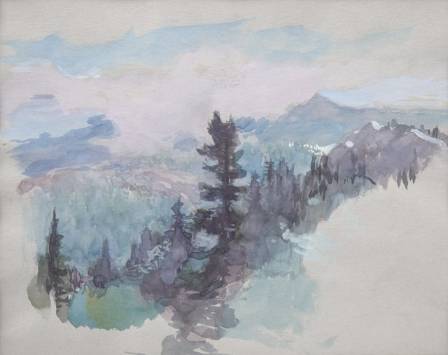
To make the snow appear brilliant and white, the surrounding mountain body must be rendered with dark, heavy textures. Use sets of angular, parallel lines to fill in the areas below the snow caps. This cross-hatching technique builds depth and suggests the rough, vertical faces of stone. You may need to apply multiple layers of these parallel lines to achieve a sufficiently dark value that makes the white peaks truly stand out.
As you texture the mountain, pay close attention to the "snow line." The edge where the white meets the dark should be jagged and irregular rather than smooth. Using small "tick" marks along this border will prevent the drawing from looking artificial. These rough edges simulate the way snow breaks over cliffs and winds through rocky outcrops, which is essential for a realistic effect.
Adding Depth and Final Composition
To increase the visual complexity of your illustration, introduce additional peaks behind your primary subjects. These background mountains should be slightly smaller to suggest distance. Apply the same principles of tapered snow and dark texturing to these distant forms, which helps establish a sense of a vast, sprawling mountain range. This layering technique is one of the most effective ways to bring a sense of scale to your work.
The final stage of the drawing involves grounding the mountains by adding foreground elements such as the sky or a rocky base. By carefully managing the balance between white and dark tapered shapes, you can control how much "snow" appears in the scene. More white space suggests a heavier snowfall, while more dark texture indicates a more rugged, exposed peak. With these elements in place, your mountain landscape will capture the quiet, powerful essence of the high peaks.
More to explore
· en
Australia’s top 10 epic sunrises
Charlotte Kensington

· en
Electric Vehicle Charging Explained
Rowan Hayes
· en
Grasslands National Park Camping Guide
Esme Laurel

· en
Steps to a Happy, Colorful Home
Lucy Warren

· en
World's biggest microscope to peer into the Big Bang
Lucan Briar
· en
Frozen Reservoirs: The Geology and Global Impact of Glaciers and Ice Sheets
Theodore Davis