Feature story
Which Brown Bear Was Named Alaska’s Fattest?
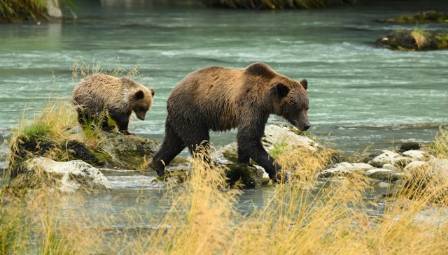
Katmai National Park and Preserve in King Salmon, Alaska, is home to thousands of brown bears and is widely recognized as one of the world’s premier destinations for observing these animals in the wild. The park’s salmon-filled waterways, including locations such as Brooks Falls, provide abundant food that attracts large numbers of bears.
Ronan Clarke
Writer
Lounge note
Settle in — the full story and key updates are below.
Desk
Entertainment
Katmai National Park and Preserve in King Salmon, Alaska, is home to thousands of brown bears and is widely recognized as one of the world’s premier destinations for observing these animals in the wild. The park’s salmon-filled waterways, including locations such as Brooks Falls, provide abundant food that attracts large numbers of bears.
Preparing for Winter
To celebrate these enormous salmon-feasting animals, the park launched its annual Fat Bear Week last Wednesday. The event takes place during the peak of the bears’ pre-hibernation feeding season, when they spend much of their time consuming as many fish as possible to build up the energy reserves they will need for the long winter ahead.
The Fat Bear Competition
Through live footage from the park’s famous Bear Cam, viewers can watch brown bears fishing, feeding, and playing along the Brooks River. The public was invited to vote for the bear that appeared to have gained the most impressive amount of weight.
According to the park, the competition was designed to determine which “gluttonous giant” would claim the top position in the brown bear hierarchy of impressive size. The animals were organized into a tournament-style bracket, similar to March Madness, with individual bears facing off against one another. As the bears continued adding weight, supporters cast their votes to decide which bear would advance.
Why Being Fat Matters
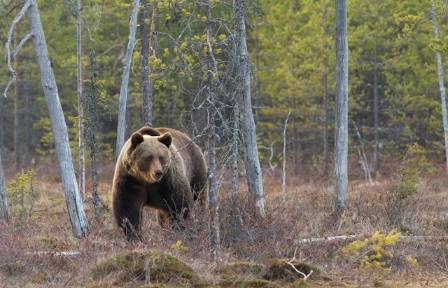
Despite the humorous nature of the contest, the competition is not actually about criticizing the bears’ bodies. Their accumulated fat is essential to their survival. During their nearly six-month period of hibernation, bears can lose as much as one-third of their body mass.
The contest instead celebrates the demanding feeding period that comes beforehand. For roughly three months, the bears enter a physiological condition known as hyperphagia, during which they eat almost continuously. Their appetite becomes so intense that the chemical signals responsible for telling the body that it is full are effectively switched off, allowing the bears to consume enough food to build the reserves required for winter.
The Fat Bear Week Champion
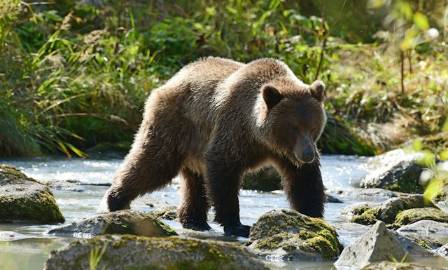
The weeklong competition concluded yesterday with Fat Bear Tuesday, when one particularly hefty bear was selected as the champion. The winner was 409 Beadnose, a female bear and mother whose impressive “radiant rolls” helped her defeat the other leading contender, a well-known male bear named 747.
The final results were shared on the park’s Facebook page. Both 409 Beadnose and 747 will continue to be monitored through the Bear Cam as the bears enter the final weeks of preparation before hibernation.
More to explore
· en
Happily Seeking Waterfalls in North Bay
Vivienne Carlisle
· en
Chinese Trumpet Creeper Vine: Trumpet Creeper Care Basics
Lucien Blackwood
· en
Fascinating and Mystical Snow Leopard Facts That Will Amaze You
Murray Zoe
· en
The Most Inspiring Villages in the World
Cindy Johnson
· en
14 Fascinating Facts About Monkeys
Carter Hughes
· en
Facts About the Red Panda
Aurelia Nash