← Back home2 min read
Feature story
14 Fascinating Facts About Monkeys
Monkeys belong to specific branches of the primate family, distinct from apes (chimpanzees, gorillas, humans) and prosimians (lemurs, tarsiers). One key difference: most monkeys have tails, while apes do not. Apes also tend to be larger and more intelligent.
C
Carter Hughes
Writer
Lounge note
Settle in — the full story and key updates are below.
Desk
Entertainment
Not All Primates Are Monkeys
Monkeys belong to specific branches of the primate family, distinct from apes (chimpanzees, gorillas, humans) and prosimians (lemurs, tarsiers). One key difference: most monkeys have tails, while apes do not. Apes also tend to be larger and more intelligent.
Grooming Strengthens Social Bonds
For monkeys, grooming isn’t just about hygiene—it’s a way to build trust and affection. Studies show that grooming can increase the insulation value of a vervet monkey’s fur by up to 50%, helping them stay warm and healthy.
Only New World Monkeys Have Prehensile Tails
Monkeys in the Americas—like spider monkeys, howler monkeys, and capuchins—have tails that can grasp and hold objects. Old World monkeys (from Africa and Asia) have tails but lack this gripping ability.
Europe Has Only One Wild Monkey Species
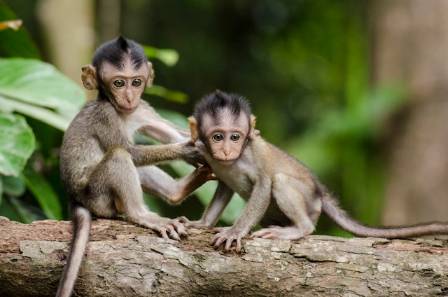
Barbary macaques are the only wild monkeys in Europe, living on Gibraltar and in North Africa. Introduced centuries ago, this endangered species has seen its population decline by more than half in recent decades.
Pygmy Marmosets Are the Smallest
Native to the Amazon, pygmy marmosets measure only about 5 inches long and weigh around 4 ounces as adults. They live in small family groups where monogamous pairs share parenting duties.
Mandrills Are the Largest
Mandrills, found in Central Africa, are the biggest monkeys. Males can weigh up to 119 pounds and display vibrant red-and-blue facial coloring, which becomes more intense with age and dominance.
A Bald Uakari’s Face Signals Health
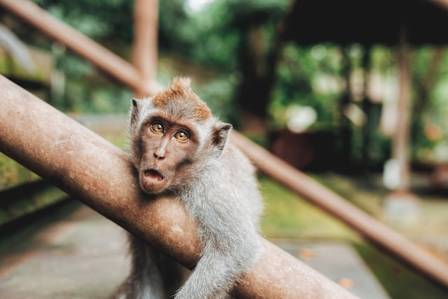
The bright red face of a bald uakari is a sign of good health. Paler faces often indicate illness, such as malaria. These monkeys use color vision to assess potential mates.
Capuchins Are Skilled Tool Users
Capuchin monkeys have been using stone tools to crack nuts for over 3,000 years. They also rub crushed millipedes on their fur as a natural insect repellent, showing advanced problem-solving skills.
Howler Monkeys Are the Loudest Land Mammals
A howler monkey’s roar can be heard up to three miles away. Their deep calls are made possible by an enlarged hyoid bone in the throat.
Japanese Macaques Bathe in Hot Springs
Snow monkeys in Japan soak in natural hot springs to keep warm during cold winters. Researchers have found this behavior also reduces stress levels.
They Choose Sleeping Trees Carefully
Monkeys often sleep in tall, isolated trees whose branches don’t touch others. This helps protect them from predators and reduces exposure to insects like malaria-carrying mosquitoes.
Rhesus Monkeys Have a Wide Range
Rhesus monkeys are highly adaptable and now live across Asia, North America, and the Caribbean. Their ability to thrive in varied environments makes them one of the most widespread primates.
Their Diets Are Diverse
Monkeys are omnivores and eat much more than bananas. Their diets include fruits, leaves, nuts, insects, small animals, and even bark—depending on what’s available in their habitat.
Many Species Are Endangered
Habitat loss, hunting, and the pet trade threaten numerous monkey species. Critically endangered primates include the Roloway monkey, Niger Delta red colobus, and the cotton-headed tamarin.
More to explore

· en
Tokyo Tower
Charlotte Mae Thompson

· en
Top Rowing Competitions Around the World
Kate

· en
10 Famous Ships in History and How to Stay Safe on the Water
Paul

· en
Exploring Solar Sail: Next-Gen Propulsion for Interstellar Travel
Nathan Cole

· en
Arches National Park: A Guide to Utah’s Natural Stone Wonders
Olivia Barnes

· en
Your Guide to the Perfect Cold Espresso
Nathaniel Stone