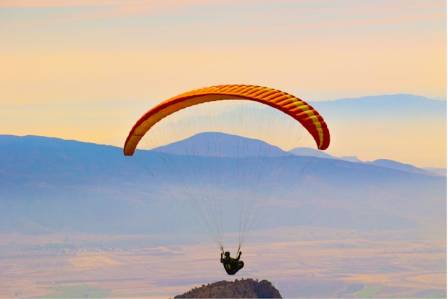
Introduction: The Thrill of Paragliding—Where Adventure Meets Scenery
Paragliding is more than an extreme sport; it’s a harmonious blend of adrenaline, nature, and skill, offering pilots a unique perspective of the world from above. Whether soaring over snow-capped mountains, gliding along turquoise coastlines, or drifting above lush valleys, paragliding combines the thrill of flight with breathtaking scenery that few other activities can match. However, this exhilarating pursuit demands respect for nature’s forces, strict adherence to safety protocols, and a deep understanding of location-specific dynamics—from terrain and weather to local regulations. For both novices seeking their first taste of flight and seasoned pilots chasing new horizons, success lies in balancing adventure with caution: choosing the right locations, reading weather patterns accurately, and equipping oneself with the necessary skills and gear. In this guide, we’ll explore the world’s top paragliding destinations, unpack how terrain and weather shape the experience, and outline essential safety practices to ensure every flight is both thrilling and secure.
Global Top Paragliding Destinations: Scenery, Weather, and Appeal
The world is dotted with paragliding hotspots, each offering unique landscapes, weather conditions, and experiences tailored to different skill levels. France’s Chamonix, nestled at the foot of Mont Blanc (the highest peak in the Alps), is a mecca for paragliders, boasting panoramic views of snow-capped peaks, glacial valleys, and charming alpine villages—its consistent thermal currents (rising columns of warm air) make it ideal for cross-country flights, while well-maintained launch sites and strict safety regulations cater to both beginners and experts. Switzerland’s Interlaken, situated between Lake Thun and Lake Brienz, is another iconic destination, where pilots glide over crystal-clear lakes, rolling green hills, and the majestic Eiger, Mönch, and Jungfrau peaks; its mild climate and stable wind patterns (typically 5-12 mph) create a forgiving environment for novices, while advanced pilots can challenge themselves with longer flights over the Alps. Turkey’s Oludeniz stands out for its coastal beauty, with pilots launching from Babadağ Mountain (6,500 feet) and gliding 12 miles over the Azure Coast to land on the white sands of Ölüdeniz Beach, where the turquoise Blue Lagoon and Mediterranean Sea create a postcard-perfect backdrop—its consistent sea breezes and gentle thermals make it one of the safest and most scenic spots for first-time flyers. New Zealand’s Queenstown, known as the “Adventure Capital of the World,” offers diverse terrain, from Lake Wakatipu’s shores to the Southern Alps’ rugged peaks; its variable conditions (including morning thermals and afternoon valley winds) appeal to experienced pilots, while guided tandem flights allow beginners to soak in views of snow-capped mountains and lush forests. These destinations share common strengths: stunning scenery, established safety infrastructure, and weather conditions that balance excitement with predictability.
How Regional Terrain Shapes the Paragliding Experience
Regional landscapes are the foundation of a memorable paragliding experience, influencing everything from flight duration and altitude to wind patterns and safety considerations. Mountainous regions like the Alps (Chamonix, Interlaken) and the Southern Alps (Queenstown) are prized for their strong, consistent thermal currents—generated by the sun heating mountain slopes—which allow pilots to gain altitude and extend flights for hours, making them ideal for cross-country adventures. These areas also offer dramatic, high-altitude views, but their terrain demands vigilance: steep cliffs, narrow valleys, and sudden weather changes (common in mountainous zones) require pilots to be skilled at reading terrain cues and adjusting their flight paths. Coastal locations like Oludeniz and Brazil’s Rio de Janeiro rely on sea breezes (onshore winds blowing from water to land) and thermal currents rising from warm coastal plains, creating gentle, stable flights that are perfect for beginners; the open skies and wide landing zones (often beaches) reduce the risk of obstacles, while the ocean backdrop adds unparalleled scenic value. Flat or rolling landscapes, such as South Africa’s Cape Town (near Table Mountain) or the American Southwest’s desert regions, offer a different experience—relying on “mechanical turbulence” (winds deflected by hills or buildings) and weaker thermals, these areas are better suited for shorter flights or skill-building, as they require precise control to maintain altitude. Regardless of terrain, pilots must adapt their techniques: mountain pilots focus on thermal hunting and valley navigation, coastal pilots prioritize wind direction and landing zone visibility, and flatland pilots refine their control in weaker lift conditions. Understanding how terrain interacts with wind and weather is key to maximizing flight enjoyment and safety.
Weather Dynamics: The Make-or-Break Factor for Paragliding
Weather is the single most critical factor in paragliding safety and performance, as it directly influences lift, stability, and visibility. Ideal paragliding conditions include clear skies, light and steady winds (5-15 mph), stable thermal activity, and temperatures between 15°C and 27°C—these conditions provide the lift needed to stay airborne while minimizing turbulence and risk. Thermal activity, in particular, is essential for extended flights: as the sun heats the ground, warm air rises, creating columns of lift that pilots can “ride” to gain altitude; in mountainous areas, thermals are strongest mid-morning to early afternoon, while coastal thermals often peak in late morning as land heats faster than water. Seasonal changes significantly impact paragliding conditions: spring (March-May) offers mild temperatures, increasing thermal activity, and clear visibility—ideal for beginners and cross-country flights; summer (June-August) brings stronger thermals but also higher turbulence and the risk of afternoon thunderstorms, making it better suited for experienced pilots who can navigate unpredictable conditions; autumn (September-November) provides stunning foliage views and stable winds, though shorter days reduce thermal activity; winter (December-February) is generally off-limits for most locations, as cold temperatures, snow, and strong winds increase the risk of equipment failure and hypothermia. Pilots must also anticipate weather-related challenges: strong gusts (exceeding 15 mph) can make takeoff and landing dangerous, turbulence (from thermals or terrain) can disrupt control, sudden rain or fog reduces visibility and increases the risk of collisions, and thunderstorms bring life-threatening hazards like lightning, downdrafts, and hail. To mitigate these risks, pilots must check weather forecasts from reliable sources (local meteorological services, paragliding-specific apps like XCWeather) before flying, monitor conditions throughout their flight, and have a plan to land immediately if weather deteriorates.
Core Safety Guidelines: Foundational Practices for Every Pilot
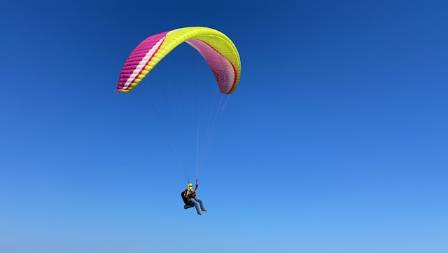
Safety is non-negotiable in paragliding, and adherence to core guidelines can mean the difference between a thrilling flight and a dangerous situation. First and foremost, pilots must conduct thorough pre-flight checks: inspecting the paraglider wing (for tears, frayed lines, or damage to the canopy), harness (for secure buckles, intact straps, and proper fit), helmet (for cracks or loose padding), reserve parachute (ensuring it’s packed correctly and within its expiration date), and instruments (variometer, GPS) to ensure they’re functioning properly. Weather assessment is equally critical—never fly in adverse conditions (strong winds, thunderstorms, heavy rain, fog) or if forecasts predict sudden changes, and always cross-reference multiple sources to confirm conditions. Location awareness is another key practice: familiarize yourself with launch and landing zones (identifying obstacles like trees, power lines, or cliffs), scout potential emergency landing sites before takeoff, and research local regulations (many areas require permits or restrict flights to designated zones). Flying with a buddy or in groups adds an extra layer of safety—buddy systems allow pilots to monitor each other’s flights, assist in case of emergency, and share insights about conditions. Additionally, pilots should never exceed their skill level: beginners should stick to tandem flights or guided sessions with certified instructors, while intermediate pilots should gradually progress to more challenging locations and conditions. Finally, maintaining physical fitness is essential—paragliding requires core strength to control the wing, endurance to handle long flights, and mental focus to make split-second decisions, so regular exercise and rest are crucial.
Essential Paragliding Equipment: Gear That Saves Lives
The right equipment is the foundation of safe paragliding, and every pilot must invest in high-quality, well-maintained gear tailored to their skill level and flying environment. The paraglider wing (canopy) is the most critical piece—beginner-friendly wings are designed for stability and slow speed, with larger surface areas and milder handling characteristics, while advanced wings are more responsive and agile, allowing for faster flights and thermal hunting. The harness connects the pilot to the wing and must be comfortable, supportive, and equipped with safety features like a reserve parachute container, chest strap, and leg loops—harnesses for beginners often include extra padding for comfort, while advanced harnesses are lighter and more aerodynamic. A helmet is non-negotiable, as it protects against head injuries in case of collisions or hard landings—look for helmets certified by safety standards (e.g., EN 966 for paragliding) with impact-resistant shells and comfortable padding. The reserve parachute is a lifeline in emergencies (e.g., wing collapse, severe turbulence) and must be regularly inspected and repacked by a certified professional—most reserve parachutes are designed to open quickly (within 2-3 seconds) and can support pilots up to 220 pounds. A variometer is an essential instrument that measures altitude gain and loss, helping pilots locate thermals and adjust their flight path to maintain lift—modern variometers often include GPS functionality to track location and flight data. Additional gear includes a radio (for communication with instructors, buddies, or ground control), a flight suit (to protect against wind, cold, and UV rays), and a first-aid kit (for minor injuries). When choosing equipment, prioritize quality over cost—cheap or poorly maintained gear increases the risk of failure, and always follow the manufacturer’s guidelines for maintenance and replacement (most wings have a lifespan of 3-5 years, depending on use).
Safety Training & Emergency Preparedness: Skills That Matter
No amount of gear can replace proper training—paragliding is a skill-based sport, and pilots must complete certified training programs to develop the knowledge and techniques needed to fly safely. Reputable organizations like the United States Hang Gliding and Paragliding Association (USHPA), British Hang Gliding and Paragliding Association (BHPA), and Paragliding Association of Canada (PAC) offer structured courses covering everything from basic wing control and takeoff/landing techniques to weather reading, emergency procedures, and cross-country navigation. Beginner courses typically start with ground school (classroom instruction on theory) followed by tandem flights (flying with an instructor) and solo flights in controlled environments, while advanced courses focus on thermal hunting, advanced navigation, and emergency scenario training. Emergency preparedness is a core component of training—pilots learn how to handle wing collapses (the most common emergency), which involves releasing the brakes to allow the wing to re-inflate, and how to execute emergency landings in rough terrain (e.g., choosing a flat, obstacle-free area and landing with knees bent to absorb impact). Regular practice of emergency procedures is essential, as muscle memory can mean the difference between staying calm and panicking in a crisis. Pilots should also prepare for emergencies by carrying essential items: a fully charged phone with emergency contacts, a whistle to signal for help, a flashlight (for low-visibility flights), and a water bottle to stay hydrated. Finally, staying connected to the paragliding community—joining local clubs, attending workshops, and flying with experienced pilots—provides ongoing learning opportunities and support.
Common Risks & Mitigation Strategies: Flying Smart
Paragliding, like all adventure sports, carries inherent risks, but most can be mitigated with careful planning, skill, and awareness. The most common risks include weather-related incidents (sudden storms, strong winds, turbulence), equipment failure (wing damage, reserve parachute malfunction), terrain hazards (trees, power lines, cliffs), and human error (poor judgment, overconfidence, lack of training). To mitigate weather risks, always check forecasts, monitor conditions during flight, and avoid flying in unfamiliar areas where weather patterns are hard to predict—if conditions worsen, land immediately in a pre-identified safe zone. Equipment risks can be reduced through regular inspections and maintenance: conduct pre-flight checks before every flight, have gear serviced by certified professionals annually, and replace old or damaged equipment promptly. Terrain hazards are best avoided by scouting locations beforehand—use maps or satellite imagery to identify obstacles, and choose launch and landing zones with clear approaches and wide open spaces. Human error is the most preventable risk: never fly under the influence of drugs or alcohol, never exceed your skill level, and always prioritize safety over thrill—if a flight feels risky, it’s better to cancel than to chance it. Additionally, pilots should be aware of physiological risks like hypoxia (low oxygen at high altitudes) and hypothermia (cold temperatures), and take precautions: avoid flying above 10,000 feet without supplemental oxygen, wear appropriate clothing for the weather, and limit flight duration in extreme conditions.
Novice Paragliding Guide: Tips for First-Time Pilots
For beginners, paragliding is an exciting but intimidating pursuit—following these tips will help ensure a safe and enjoyable first experience. Start with tandem flights: flying with a certified instructor allows you to experience the thrill of flight without the pressure of controlling the wing, while learning basic concepts like takeoff, landing, and reading wind. Choose the right location: opt for beginner-friendly sites with gentle winds, wide landing zones, and established safety infrastructure—Oludeniz (Turkey), Interlaken (Switzerland), and Cape Town (South Africa) are popular choices, as they offer guided tandem flights and supportive communities. Invest in proper training: after tandem flights, enroll in a certified beginner course to learn the fundamentals of wing control, weather reading, and emergency procedures—training typically takes 5-10 days, and most courses include solo flights in controlled environments. Avoid common mistakes: never skip pre-flight checks, never fly in adverse weather, never ignore instructor advice, and never fly alone as a beginner. Focus on fundamentals: master takeoff and landing techniques first, as these are the most critical skills for safety—practice on flat ground before attempting mountain launches. Finally, be patient: paragliding takes time to master, and progress will vary—celebrate small wins (like a smooth landing or successful thermal ride) and don’t rush to tackle advanced flights before you’re ready.
The Role of Experience: How Skill Enhances Safety
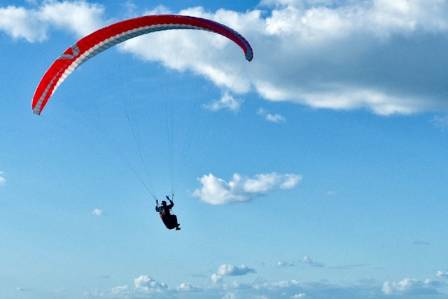
Experience is the greatest asset a paraglider can have, as it transforms theoretical knowledge into intuitive decision-making and risk assessment. Seasoned pilots develop a “sixth sense” for weather patterns—they can read cloud formations to identify thermals, detect subtle wind shifts before they become dangerous, and anticipate sudden changes (like afternoon thunderstorms) based on local conditions. Experience also improves equipment handling: advanced pilots can quickly recover from wing collapses, adjust their flight path to avoid turbulence, and make precise landings even in challenging conditions. Additionally, experienced pilots are better at risk management—they know their limits, avoid overconfidence, and prioritize safety over excitement, even in the most scenic or thrilling locations. However, experience doesn’t negate the need for ongoing learning: the best pilots continue to take advanced courses, practice emergency procedures regularly, and stay updated on new safety technologies and regulations. For beginners, flying with experienced pilots (through clubs or guided tours) is a valuable way to learn—observing their decision-making, techniques, and safety habits can accelerate skill development and build confidence. Ultimately, paragliding safety is a lifelong journey: every flight offers a chance to learn, adapt, and refine your skills, ensuring that adventure and safety go hand in hand.
Conclusion: Balancing Thrill and Caution in Paragliding
Paragliding is a sport that rewards curiosity, skill, and respect for nature—offering pilots the chance to soar above some of the world’s most stunning landscapes while pushing their personal boundaries. Whether you’re a beginner taking your first tandem flight or an experienced pilot chasing cross-country records, the key to success lies in balancing thrill with caution: choosing the right locations, reading weather patterns carefully, investing in quality gear and training, and never underestimating the power of nature. The world’s top paragliding destinations—from Chamonix’s alpine peaks to Oludeniz’s coastal beauty—offer something for every skill level, but they all share a common requirement: safety first. By following the guidelines outlined in this guide, pilots can minimize risks, maximize enjoyment, and create memories that last a lifetime. Paragliding is more than a sport; it’s a way to connect with nature, challenge yourself, and see the world from a new perspective—so grab your gear, train hard, and take flight, knowing that preparation and respect will carry you safely to new heights.