
Feature story
How To Choose The Perfect Women's Suit
The power suit has earned its place as a classic wardrobe essential, combining confidence, elegance, and sophistication in one polished look. However, with countless cuts, fabrics, colors, and styles to choose from, finding the right women's suit can sometimes feel like a difficult task.
Seraphine Crowe
Writer
Lounge note
Settle in — the full story and key updates are below.
Desk
Entertainment
The power suit has earned its place as a classic wardrobe essential, combining confidence, elegance, and sophistication in one polished look. However, with countless cuts, fabrics, colors, and styles to choose from, finding the right women's suit can sometimes feel like a difficult task.
The good news is that choosing the perfect suit becomes much easier when you know what to look for. From selecting a silhouette that complements your figure to choosing the right fabric and fit, these tips will help you find a suit that works for your style, lifestyle, and occasion.
Know Your Body Type
Understanding your body shape is an excellent starting point when searching for a flattering suit. Different jacket and trouser silhouettes can emphasize your best features while creating balanced proportions.
Pear-shaped: Choose a fitted jacket that defines the waist and creates balance with wider hips. Features such as princess seams and vertical patterns can help visually lengthen the body. Straight-leg or gently bootcut trousers are particularly flattering for this shape.
Apple-shaped: A single-breasted jacket with a defined waist and a slightly longer cut can help create a more proportionate silhouette. Avoid overly boxy jackets and consider fabrics with a soft drape that sit comfortably against the body. Straight-leg and wide-leg trousers can help balance the overall proportions.
Hourglass-shaped: An hourglass figure works well with a wide variety of suit designs. A tailored jacket that narrows slightly at the waist can emphasize natural curves, while straight-leg or slim trousers can create a longer-looking leg line.
Petite: Smaller frames generally benefit from streamlined proportions rather than oversized silhouettes. Cropped or close-fitting jackets combined with higher-rise trousers can make the legs appear longer. Vertical patterns can also help create the impression of additional height.
Tall: Taller figures have plenty of room to experiment with dramatic proportions and stronger silhouettes. Double-breasted jackets, wide-leg trousers, and other statement cuts can look particularly striking on a taller frame.
Fabric Matters
The material of a suit affects more than just its appearance. Fabric influences how comfortable the suit feels, how well it holds its shape, and when it can be worn.
Wool: Wool remains one of the most versatile and dependable suiting materials. It is durable, comfortable, and available in different weights, making wool suits suitable for a variety of seasons and climates.
Linen: Linen is lightweight and naturally breathable, making it an excellent choice for warm-weather dressing. Linen suits have a relaxed, effortless character, although the fabric is naturally prone to wrinkling.
Cotton: Cotton provides another comfortable option, particularly for less formal environments. Cotton-blend fabrics can add structure and may offer better resistance to wrinkles than pure cotton.
Polyester: Polyester and other synthetic materials are often more affordable and generally resist wrinkles well. However, they may not offer the same breathability and natural feel as fabrics such as wool, linen, or cotton.
Consider the Occasion
A great suit should suit the setting in which you plan to wear it. The right color, fabric, and silhouette can make the same basic concept appropriate for everything from the office to a formal celebration.
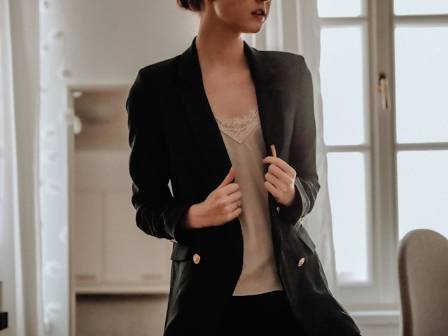
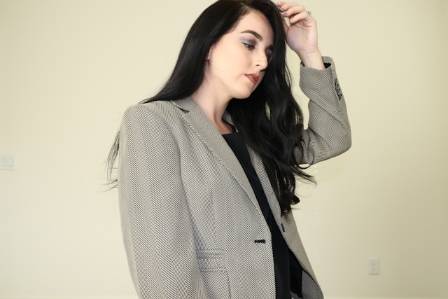
Work: For professional environments, choose a well-tailored suit in a dependable neutral shade such as black, navy, or gray. A subtle pinstripe can add visual interest while maintaining a polished and professional appearance.
Interview: An interview calls for a confident but restrained look. A sharply tailored suit in a dark neutral color can create a strong first impression. Keep jewelry and other accessories simple, sophisticated, and professional.
Formal Event: Formal occasions give you more freedom to experiment with luxurious fabrics and stronger colors. Silk or similarly refined materials can elevate the outfit, while shades such as emerald green can make a memorable statement. A striking necklace or pair of earrings can add an elegant finishing touch.
Casual: For relaxed occasions, consider an easy-fitting suit made from a lightweight material such as linen or cotton. This type of suit works well for weekend brunches, dinners, or nights out. Casual suiting also gives you more freedom to experiment with interesting prints, colors, and textures.
Finding the Perfect Fit
Fit is one of the most important aspects of buying a suit. Even the most expensive fabric or beautiful design will not look its best if the proportions are wrong. A properly fitted suit should follow your body's shape while still allowing you to move comfortably.
Jacket: The shoulder seams should align naturally with the edges of your shoulders rather than extending beyond them or sitting too far inward. When the jacket is buttoned, it should close comfortably without creating noticeable pulling or strain. With your arms resting naturally, the sleeves should extend approximately to the base of your thumbs.
Pants: The waistband should rest comfortably around your natural waist without creating gaps or feeling excessively tight. The trousers should follow the contours of your body without clinging too closely or hanging excessively loose.
Embrace Your Style
A suit does not have to look like a strict or predictable uniform. Personal style can come through in the colors, prints, proportions, and accessories you choose.
If traditional black, navy, and gray feel too conservative, consider introducing richer shades such as emerald, burgundy, or other striking colors. Patterns can also give a traditional suit a more distinctive personality.
Accessories provide another simple way to personalize your outfit. A statement scarf, eye-catching earrings, or another standout accessory can add character while allowing the suit itself to remain sophisticated and polished.
The goal is to find a balance between professional tailoring and your individual sense of style, creating a look that feels both confident and authentic.
Karako Suits: Your Destination for Women's Suits
At Karako Suits, finding a women's suit that matches your personal preferences and needs is made easier with a broad selection of designs, fabrics, and colors. The collection is intended to accommodate different styles, body shapes, and occasions.
The suits are made with quality materials and designed with both comfort and a flattering silhouette in mind, helping you feel polished while remaining comfortable throughout the day.
Whether you're searching for professional workwear, an interview outfit, formal attire, or a more relaxed suit for social occasions, exploring different styles can help you find the option that feels right for you.
A quality suit is more than another item in your closet—it can be an investment in confidence, personal style, and self-expression. Choose a design that fits well, feels comfortable, and makes you feel your best.
More to explore

· en
Key Points to Keep in Mind When Cleaning Your Bathroom
Acacia

· en
The Three Cities of Malta: A Journey into Living History
Jack Peterson

· en
Willis Tower in Chicago: One of the World's Tallest Skyscrapers
Amaris West
· en
The Art of Ambiance: The Definitive Guide to Choosing, Styling, and Living with Table Lamps
Riley Cooper

· en
Exploring the Life and Secrets of Squirrel Monkeys
Hazel Moore

· en
French Custard Tart: A Timeless Classic Reinvented
Emma