Feature story
Classic Chinese Dessert Soups to Sweeten Your Day
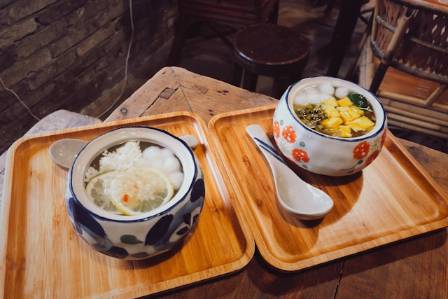
Asian desserts are often associated with subtle sweetness, comforting textures, and deeply rooted cultural traditions. Unlike many Western-style sweets that focus on rich cakes or heavy pastries, a large part of Asian dessert culture is built around warm, soothing sweet soups and light, nourishing treats. From silky black sesame soup to fruity mango sago and glutinous rice dumplings in syrup, these desserts are designed not just to satisfy cravings, but to bring balance, comfort, and a sense of everyday wellbeing.
Damon Cross
Writer
Lounge note
Settle in — the full story and key updates are below.
Desk
Entertainment
Asian desserts are often associated with subtle sweetness, comforting textures, and deeply rooted cultural traditions. Unlike many Western-style sweets that focus on rich cakes or heavy pastries, a large part of Asian dessert culture is built around warm, soothing sweet soups and light, nourishing treats. From silky black sesame soup to fruity mango sago and glutinous rice dumplings in syrup, these desserts are designed not just to satisfy cravings, but to bring balance, comfort, and a sense of everyday wellbeing.
Mango Pomelo Sago
Hong Kong, China
This refreshing summer dessert is believed to have originated in 1984 at the Singapore branch of Lei Garden. It is made with ripe mango, pomelo segments, sago pearls, coconut milk, and sometimes whole or evaporated milk. While widely associated with Hong Kong, it is also highly popular in Singapore and Taiwan.
Sago with Coconut Milk (Sao Mai Lo)
China
Sago pearls, often referred to as tapioca pearls, served in coconut milk are a classic Cantonese tong sui (literally “sugar water,” meaning dessert soup). This simple yet satisfying dish is commonly found in dim sum restaurants across Guangzhou and Hong Kong, often served as a light finale to a meal. For a more refreshing variation, it may also be combined with fruits such as mango, pomelo, or strawberries.
Black Sesame Sweet Soup (Zhi Ma Hu)
Guangdong, China
Zhi ma hu is a smooth and creamy Chinese dessert soup made from ground black sesame seeds. It belongs to the wider category of tong sui and is often enjoyed for breakfast, after meals, or during tea time alongside Cantonese dim sum snacks. Popular in southern China and Hong Kong, it is valued for both its rich flavor and nutritional properties, as black sesame seeds contain vitamins B, magnesium, calcium, manganese, and iron. Traditional beliefs suggest it may support digestion, kidney health, reduce fat levels in the blood, and even promote darker, stronger hair. Its taste is deeply aromatic, nutty, and earthy, making it a simple yet elegant sweet dish.
Tang Yuan (Glutinous Rice Balls)
South Central China, China
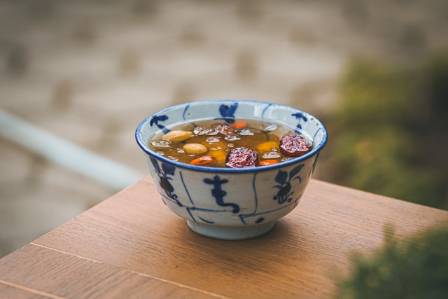
Tang yuan consists of soft, chewy rice balls made from glutinous rice flour. They can be small and plain or larger with fillings such as black sesame paste, peanut paste, red bean, or fruit-based centers. These rice balls are typically served in a light sweet broth flavored with ginger, osmanthus flowers, or a simple sugar syrup. Traditionally enjoyed during the Lantern Festival at the end of Chinese New Year celebrations, tang yuan symbolizes family unity and wholeness due to its round shape, representing reunion and happiness
Red Bean Sweet Soup (Hong Dou Tang)
Guangdong, China
This traditional Chinese dessert soup is prepared using adzuki beans, often combined with lotus seeds and citrus peel such as tangerine or orange zest. It has a mild sweetness rather than an intense sugary flavor, making it ideal as a finishing course after a heavy meal. It can be served hot in colder months or chilled during summer. Variations may include additions like dates, sago, longan, or coconut milk. It is considered highly nutritious, supporting immunity and digestion while helping relieve constipation due to its fiber and vitamin content.
Snow Fungus Sweet Soup (Yin Er Tang)
Guangdong, China
Snow fungus soup is a traditional Chinese dessert made with edible white fungus, long used in herbal practices. It is believed to support lung health and is often considered especially beneficial for women. Preparation requires soaking the fungus for several hours before cooking it with sugar and optional ingredients such as red dates, lotus seeds, gingko nuts, and goji berries. This dessert is commonly served during festive occasions, including Chinese New Year, and its gentle sweetness is associated with good fortune and blessings.
Tong Sui (Chinese Sweet Soup Variety)
Guangzhou, China
Tong sui is a traditional Cantonese category of desserts meaning “sweet water,” usually referring to sweet soups or pudding-like creations made with water or coconut milk. Widely enjoyed across China, these desserts are sold in dedicated sweet soup shops as well as street stalls, often freshly prepared. The variety is extensive, ranging from simple fruit-based soups and tofu puddings to more unusual versions such as guilinggao (herbal turtle shell jelly) or hasma (frog fat-based sweet soup). Common flavorings include mango, pomelo, strawberry, citrus peel, tapioca pearls, and vanilla, making tong sui an incredibly diverse dessert tradition.
More to explore

· en
The Evolution of the Gymnastics Pommel Horse
Ethan Collins
· en
A Comprehensive Guide to Hand-Sewing Miniature Felt Creatures
George White
· en
A Sweet Discovery: Unraveling the History of Ice Cream
Grace Aurora

· en
Tiramisu enthüllt: Faszinierende Einblicke in Italiens ikonisches Kaffee-Dessert
Johanna Wolf

· en
Chinese Trumpet Creeper Vine: Trumpet Creeper Care Basics
Lucien Blackwood
· en
Finding the Ideal Thai Curry to Match Your Palate
Ethan Michael Caldwell