
Feature story
How to Create Atmosphere in the Garden With Light and Shadow
It is surprisingly easy to underestimate the importance of sunlight and shade in a garden. Yet the way light and shadow interact can create atmosphere, depth, and a subtle sense of enchantment. Although this effect can be difficult to define, it can be exactly what separates an attractive garden from an exceptional one.
Lydia Foster
Writer
Lounge note
Settle in — the full story and key updates are below.
Desk
Entertainment
It is surprisingly easy to underestimate the importance of sunlight and shade in a garden. Yet the way light and shadow interact can create atmosphere, depth, and a subtle sense of enchantment. Although this effect can be difficult to define, it can be exactly what separates an attractive garden from an exceptional one.
Follow the Sun
If you observe a pet on a bright day, you will probably notice that it naturally moves toward sunny spots. As comfort-seeking creatures, people are much the same. Take some time to observe how sunlight moves through your garden during the morning, afternoon, and evening. Making a simple diagram of these changing conditions can help you identify sheltered sunny areas where you could place a bench for morning coffee or enjoy the final rays of daylight while entertaining in the evening.
It is also important to include some shade as an alternative. A small tree positioned close to a seating area can provide a refreshing place to retreat when the sunlight becomes too intense.
Emphasize Your Garden’s Contours
Differences in height, raised terraces, gentle slopes, and other changes in the ground become much more noticeable when sunlight is low and travels across the surface at an angle. This effect is especially striking toward the end of the day, when the setting sun creates longer shadows and highlights the shape of the landscape.
Incorporate Grassy Accents
Place ornamental grasses where they can receive low evening sunlight. Their seedheads can become beautifully illuminated, giving them a translucent appearance as they shimmer and move gently in the breeze.
This effect works with many varieties of grass, particularly those that produce prominent seedheads, such as Stipa gigantea. The foliage itself can also become an attractive feature, especially when it develops warm golden tones during autumn.
Add a Light Dimension to Your Topiary
Sunlight can transform topiary, particularly during the early morning or late afternoon when the light is softer and lower. The contrast between illuminated surfaces and surrounding shadows makes the shapes and forms much more noticeable.
Without carefully positioned light, a group of clipped box spheres might look rather flat and motionless. When touched by evening sunlight, however, their rounded forms become more defined and take on a lively, almost magical appearance.

Use Backlighting for Dramatic Effects
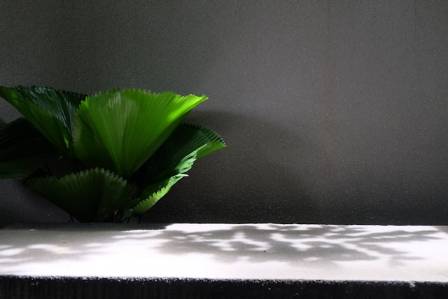
Many plants are valued for their distinctive foliage, including maples, bamboo, ferns, and palms. When these plants are illuminated from behind by low-angle sunlight, their leaves and overall outlines can be projected onto a light-colored wall or other surface.
The resulting silhouettes can create constantly changing patterns as the light shifts and the leaves move. This combination of shape, shadow, and movement can add a particularly atmospheric quality to the garden.
Create Patterns with Light and Shadow
Perforated garden screens, fences, pergolas, and awnings can all produce attractive patterns of light and shade across walls, paving, and other surfaces. Their effectiveness depends on their position, so some planning and experimentation may be necessary to determine where the morning or evening sun will create the most appealing results.
Create a Sense of Rhythm
Formal planting arrangements, such as rows of trees or repeated topiary forms, already introduce rhythm and structure into a garden. Shadows can strengthen this effect by creating additional patterns across the ground.
Tree trunks may produce strong, orderly vertical shadows, while branches and foliage can cast more delicate, intricate shapes. During the lower spring sunlight, these different shadow forms can work together to emphasize the rhythm and structure of the planting.
Use Light Like a Spotlight
Even a garden dominated by shade can contain areas where sunlight reaches individual plants. Positioning plants in these naturally illuminated locations can make them appear almost as though they have their own spotlight, especially when surrounded by darker areas.
The same principle can be applied to sculptures, ornaments, and other decorative features. Allowing a small amount of light to fall directly on an interesting object can immediately draw attention to it.
Make the Most of Tree Bark
Trees with distinctive bark can become especially eye-catching when sunlight falls directly across their trunks. The changing light emphasizes texture, color, and surface details that might otherwise go unnoticed.
Birch trees are a classic example, thanks to their striking pale bark. However, there are many other possibilities worth considering. Eucalyptus and arbutus trees, for instance, can display remarkable variations in bark color and often have surfaces that respond beautifully to sunlight.
Reflect Light with Water
Water can introduce another fascinating relationship between light and shadow. When sunlight strikes a moving water surface, even small ripples caused by a breeze can create constantly shifting patterns. These reflections can then be projected onto nearby surfaces, including ceilings.
Placing a water feature near a doorway or window can allow reflected sunlight to enter the home and create a delicate shimmer across the ceiling. The combination of reflected light and gentle movement is a particularly effective way to bring a sense of brightness, motion, and atmosphere indoors.
More to explore

· en
Virat Kohli's Border - Gavaskar Trophy 2024 - 25 Woes: Form Recovery Tactics
Cam

· en
A Beginner's Guide to Watercolor Flowers
Noah Flynn

· en
The Salty Single Blade of Coastal Canoeing
Aria Whitmore

· en
5 Enjoyable Cycling Tours for a Two-Wheel Vacation
Hannah Edwards

· en
Oatmeal Yogurt Bowl with Fresh Berries
Victoria Blake

· en
The Majestic Eagle: Symbol of Power and Resilience
Silas Rain