Feature story
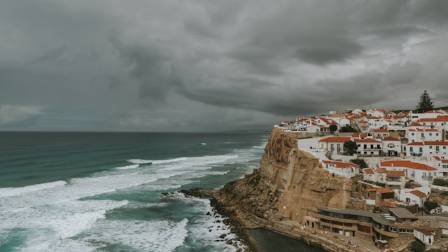
Spanish cliff-side towns: gazing into the abyss
Spain is home to some of Europe’s most dramatic cliffside villages, where settlements appear to cling impossibly to steep rock faces. These towns, built high above valleys, gorges, and rivers, offer striking views and a rare chance to experience life on the edge of deep natural landscapes. Scattered across the country, they combine history, architecture, and breathtaking scenery.
Clara Voss
Writer
Lounge note
Settle in — the full story and key updates are below.
Desk
Entertainment
Spain is home to some of Europe’s most dramatic cliffside villages, where settlements appear to cling impossibly to steep rock faces. These towns, built high above valleys, gorges, and rivers, offer striking views and a rare chance to experience life on the edge of deep natural landscapes. Scattered across the country, they combine history, architecture, and breathtaking scenery.
1. Albarracín (Teruel)
Perched on a rocky hill and encircled by the Guadalaviar River, Albarracín is a medieval gem. Recognized as a National Monument and long proposed for UNESCO status, it is known for its reddish stone buildings and defensive walls that wrap around the surrounding mountains. Its compact streets and fortress-like setting make it one of Aragón’s most atmospheric towns.
2. Setenil de las Bodegas (Cádiz)
Setenil stands out because homes are built directly under and within massive rock overhangs. Instead of fighting the landscape, the town is literally carved into it, with cliffs forming natural roofs and walls. It lies along the Guadalporcún River and forms part of the White Villages route, officially recognized as a Historic Site.
3. Ronda (Málaga)
One of Spain’s most iconic cliff towns, Ronda sits dramatically above the El Tajo gorge, which drops roughly 150 meters. The town is split by the canyon, connected by the famous Puente Nuevo bridge. With cultural landmarks like the Mondragón Palace and the Casa del Rey Moro, Ronda blends natural drama with rich history.
4. Jorquera (Albacete)
Jorquera rises on a hill bordered by the Júcar River canyon and surrounding ravines. Its strategic position once made it a defensive stronghold, traces of which remain in its 12th-century castle ruins and old watchtowers. The landscape around it emphasizes its cliff-top character and historical importance.
5. Masca (Tenerife)
Hidden in the Teno Mountains, Masca is a tiny village with only a couple of streets, perched above deep ravines. Whitewashed houses contrast with lush green slopes, while winding roads reveal sweeping views toward the cliffs of Los Gigantes. Its dramatic setting makes it one of Tenerife’s most scenic spots.
6. Arcos de la Frontera (Cádiz)
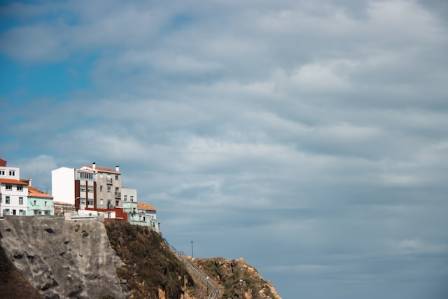
Rising above the Guadalete River, Arcos de la Frontera is built on a limestone ridge and is a gateway town to the White Villages. Its steep, narrow streets wind through bright white buildings influenced by Moorish heritage. Declared a Historic Site, it offers panoramic views and a strong sense of Andalusian tradition.
7. Siurana (Tarragona)
Set on a rocky outcrop overlooking a reservoir and river valley, Siurana is a striking Catalan village. Surrounded by cliffs, natural formations, and climbing routes, it is also tied to local legends such as the “Queen’s Leap.” Its elevated position makes it a favorite for both hikers and climbers.
8. Alquézar (Huesca)
Located within the Sierra de Guara Natural Park, Alquézar sits above a limestone canyon carved by the Vero River. Declared a Historic-Artistic Site, it preserves a medieval atmosphere and offers access to outdoor activities like hiking and canyoning in its dramatic surroundings.
9. Frías (Burgos)
Frías is a medieval hilltop town overlooking the Ebro River. Once a key strategic location, it still features its castle, old defensive walls, and the Church of San Vicente. Its elevated position reinforces its historic role as a natural fortress.
10. Castellfollit de la Roca (Girona)
One of Spain’s smallest municipalities, Castellfollit de la Roca sits atop a narrow basalt cliff nearly 50 meters high. Flanked by rivers, the village appears suspended above the landscape, with tightly packed houses and a historic church at its edge, creating a striking and unusual skyline.
More to explore

· en
The basics of microchips
Henry Collins
· en
Largest Natural Arches in the World
Evander Wycliffe

· en
Who’s the Coolest Robot of All?
Evren Calder

· en
The World's Most Breathtaking City Nightscapes
Alexander Green

· en
The world’s most realistic humanoid robots ever
Vincent Hale
· en
Embark on a journey beyond boundaries: explore the wonders of Slovenia
William Henry Clark