Feature story
The Ginkgo Tree: History, Characteristics, and Autumn Splendor in Japan
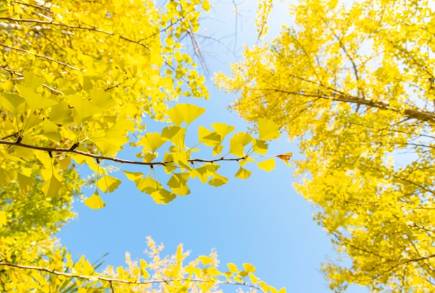
Autumn is one of the most beautiful seasons to explore Japan, offering a refreshing escape from the intense summer heat. During this time, the scenery comes alive as leaves shift into vivid shades of red, orange, and gold. Among the most recognizable trees in Japan is the ginkgo, admired for its striking yellow foliage that creates glowing canopies along streets, parks, and temple grounds. This article explores what ginkgo trees are, their special characteristics, and some of the best places in Japan to admire them.
Victoria Scott
Writer
Lounge note
Settle in — the full story and key updates are below.
Desk
Entertainment
Autumn is one of the most beautiful seasons to explore Japan, offering a refreshing escape from the intense summer heat. During this time, the scenery comes alive as leaves shift into vivid shades of red, orange, and gold. Among the most recognizable trees in Japan is the ginkgo, admired for its striking yellow foliage that creates glowing canopies along streets, parks, and temple grounds. This article explores what ginkgo trees are, their special characteristics, and some of the best places in Japan to admire them.
What is the Ginkgo Tree?
The ginkgo tree, scientifically known as Ginkgo biloba, is a large tree species that originally comes from China. It is often referred to as a “living fossil” because it has existed since the age of dinosaurs. In Japan, ginkgo trees are commonly found around temples and shrines, where they are often regarded as sacred. Some of these trees are incredibly old, with certain specimens believed to be over a thousand years in age.
Where Does It Grow?
Although native to China, ginkgo trees are widely distributed across East Asia, especially in Japan and Korea. In China, they are mainly found in southern regions. Korea is also home to ancient ginkgo trees, some estimated to be around 1,500 years old. Because of the age of these trees in Japan and Korea, some researchers question whether China is truly their original source.
Beyond Asia, ginkgo trees have been introduced to Europe and North America. They are frequently planted in cities because they are highly resistant to pollution and disease. Some of the oldest ginkgo trees outside Asia can be found in the Netherlands and Belgium, while one of the largest in the United States grows at the Vanderbilt Mansion in New York.
Unique Characteristics of the Ginkgo Tree
Ginkgo trees possess several remarkable features, the most famous being their golden autumn leaves. In addition, parts of the tree have been used for centuries in traditional medicine and cooking across East Asia.
Golden Leaves
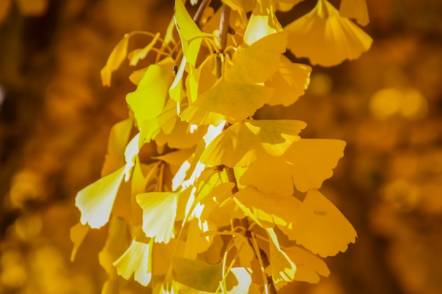
The fan-shaped leaves of the ginkgo tree are one of its most distinctive traits. In autumn, these leaves change from bright yellow to deep golden tones, creating a stunning seasonal display. Their unique shape and size also make them popular for photography, with many people using the leaves in creative and playful ways.
Ginkgo Biloba Extract
Extract derived from ginkgo leaves is widely known for its potential health benefits. It contains antioxidants and is believed to support brain function, improve memory, and promote better blood circulation. Today, it is commonly consumed as a supplement and continues to be used in both traditional and modern medicine to support cognitive health and reduce inflammation.
Ginkgo Nuts
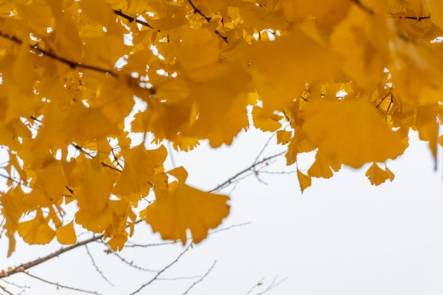
The seeds of the ginkgo tree, often called ginkgo nuts, have long been used in East Asian cuisine. These small, oval-shaped nuts have a mild, slightly sweet taste and are used in a variety of dishes such as soups, stir-fries, and desserts. In addition to their culinary value, they are also believed to aid digestion and support mental function.
More to explore

· en
Choosing a Floor Lamp
Everett Kingsley
· en
What are the 5 main types of chilli pepper?
Ronan Pierce
· en
Most Comfortable Outdoor Chairs to Unwind at Home
Devon Pierce
· en
The Real Reason Roosters Make So Much Noise Every Single Morning
Foster Julian

· en
Top 5 Most Comfortable Sofas of 2026
Miles Lawson
· en
The Art of Modern Washū: 9 Architect-Designed Living Rooms & Key Elements of Elevated Style
Daisy Chapman