← Back home5 min read
Feature story
The Evolution of Wheat: From Primitive Planting to Contemporary Application
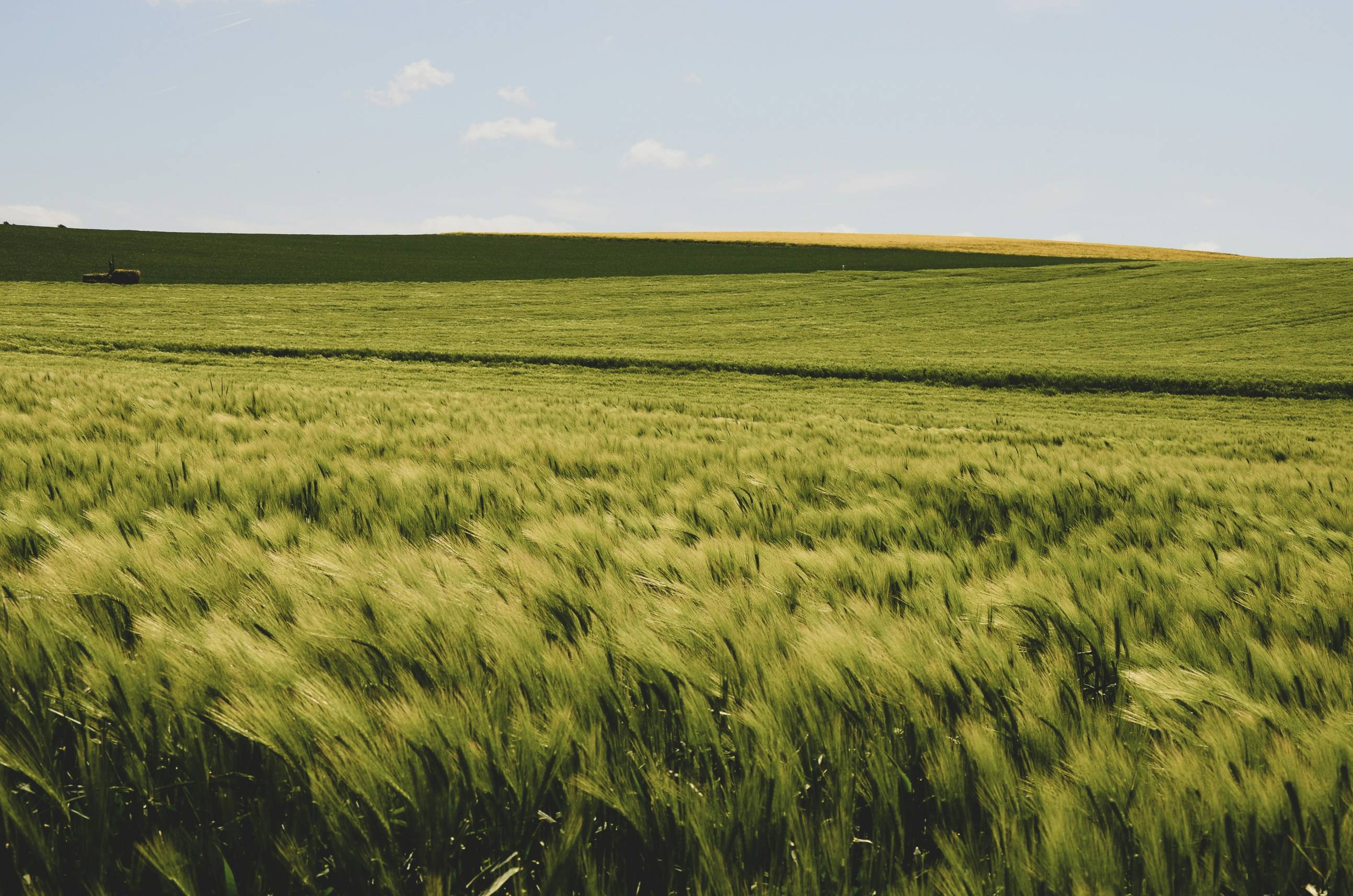
Wheat ranks among the oldest and most vital crops ever grown by humanity. With a historical timeline spanning more than 10,000 years, this grain has transformed from wild grassroots vegetation into a global dietary staple, greatly driving the progress of human society. This essay explores humans’ earliest contact with wheat, the process of its artificial domestication, and its long-term evolution into an indispensable part of modern daily diets and economic systems.
Q
Quinn Sheridan
Writer
Lounge note
Settle in — the full story and key updates are below.
Desk
Entertainment
Early Beginnings: Discovery and Domestication
The origin of wheat can be traced back to the Fertile Crescent, a historic zone covering present-day Iraq, Syria, Turkey and Israel. Widely known as the “Cradle of Civilization”, this region pioneered the earliest agricultural activities on Earth. Between 10,000 and 12,000 years ago, primitive wheat strains including einkorn and emmer wheat grew wildly across this land. Ancient humans, who survived mainly by hunting and gathering, gradually discovered the edible value of these plants and began collecting their grains for food.
The taming of wheat was a slow, progressive process. Early farmers continuously selected high-quality seeds from wild wheat populations. Through long-term artificial screening, new wheat strains with larger grains and higher productivity gradually took shape. Roughly 9,000 years ago, ancient residents in the Fertile Crescent started purposefully planting wheat on a regular basis. This shift from random foraging to systematic farming marked the birth of primitive agriculture and laid the foundation for the formation of early human settlements.
Wheat Spreads Across the World
As farming skills became more mature, wheat planting gradually expanded outward. This crop spread from the Fertile Crescent to surrounding areas such as Egypt, Greece and Rome. Ancient Egyptian farmers were pioneers in developing sophisticated wheat planting methods along the Nile River basins. The annual natural flooding of the Nile deposited nutrient-rich silt, creating extremely favorable soil conditions for wheat growth.
During the era of the Roman Empire, wheat had become a mainstream food source across most Mediterranean regions. The Romans highly valued this grain for its rich nutrition and diverse usability, processing it into bread, porridge and various daily foods. Roman military expeditions also accelerated wheat’s dissemination, bringing crop planting techniques to wider areas of Europe and North Africa and establishing wheat’s status as a core agricultural product across the empire.
The Middle Ages: Wheat in Europe
Throughout the Medieval period, wheat remained a fundamental crop in European territories. Nevertheless, its large-scale cultivation faced multiple obstacles, including immature crop rotation technologies, unstable weather, as well as frequent plant diseases and pest infestations. Despite these difficulties, wheat still served as a major food supply, especially for the rapidly growing urban populations across Europe.
In medieval European society, wheat was primarily processed into bread, a staple food consumed by people of all social classes. However, bread quality differed drastically according to social status. Wealthy nobles could afford refined white bread made from finely ground wheat powder, while ordinary civilians could only eat coarse, dark bread mostly mixed with rye or barley grains.
Age of Discovery: Wheat’s Transatlantic Spread
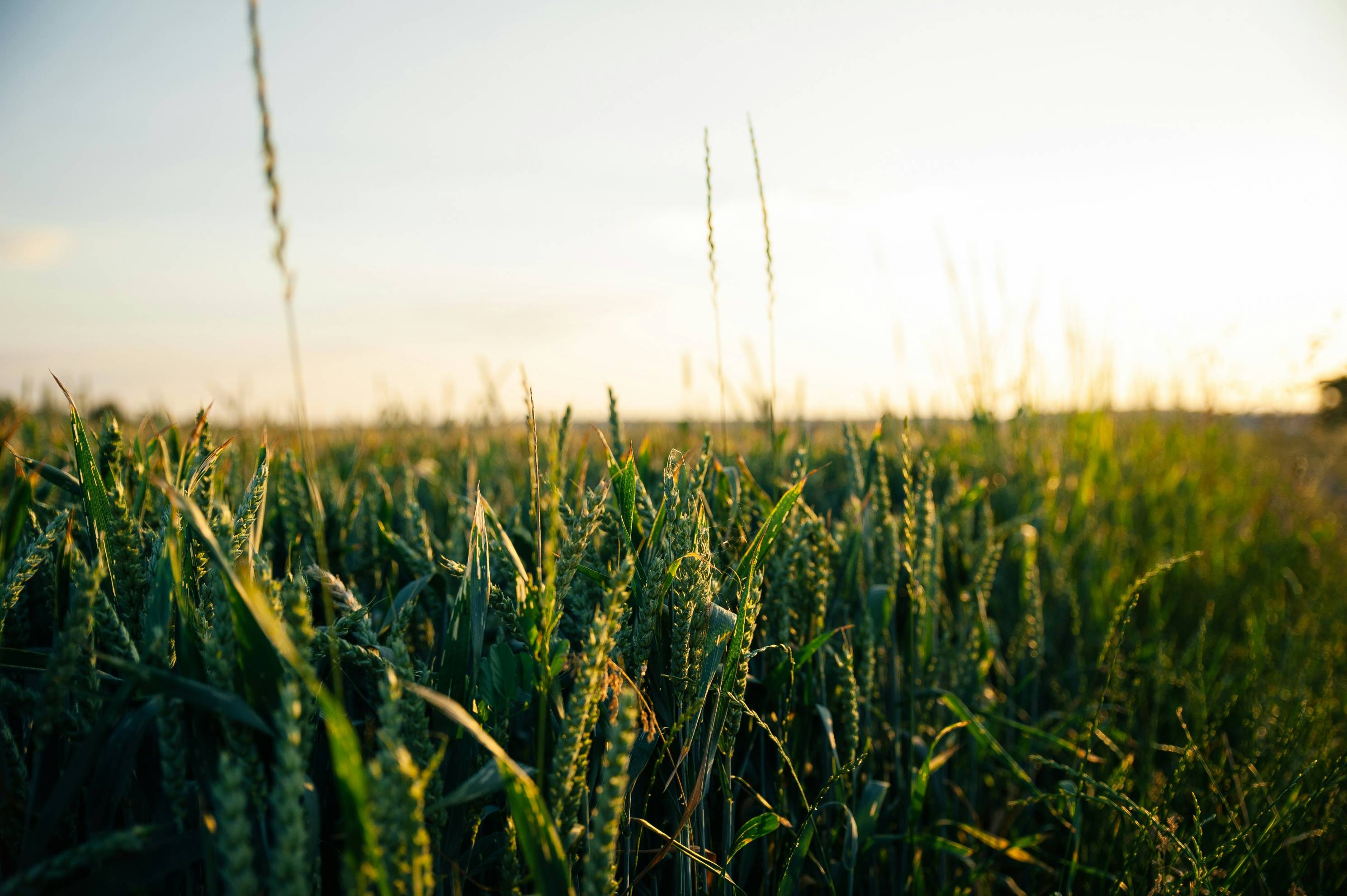
Following Christopher Columbus’s transatlantic voyages in the late 15th century, the famous Columbian Exchange introduced numerous species to new continents, including wheat. European settlers brought wheat seeds to the American continents, and the grain quickly adapted to local environments, developing into a key agricultural crop in newly established colonial lands. By the 1600s, wheat had been successfully planted in modern-day America and Canada, where the fertile soil of the Great Plains provided perfect conditions for large-scale grain cultivation.
In the 19th century, American wheat farming boomed rapidly. The westward expansion of residential territories and continuous upgrades in agricultural techniques greatly boosted grain output. The United States soon grew into one of the world’s top wheat producers, a leading agricultural position it still holds today.
Industrial Era: Innovation in Wheat Processing Technology
The Industrial Revolution from the 18th to 19th centuries brought revolutionary changes to wheat processing and consumption patterns. The invention and promotion of roller milling equipment enabled factories to produce large quantities of fine, uniform flour efficiently. This major upgrade in the milling industry made delicate white bread accessible to ordinary working-class families, no longer exclusive to the upper class.
Meanwhile, the emergence of refrigeration technology and advanced transportation systems greatly improved the efficiency of grain and flour delivery. Goods could be stably transported across long distances both domestically and internationally. The prosperous global wheat trade promoted the widespread popularity of wheat-based food products all over the world.
Contemporary Wheat: Diverse Strains and Global Significance
In current times, wheat is one of the most widely planted crops on the planet. It is mainly divided into three major categories: hard red wheat, soft red wheat, and durum wheat. Each variety has unique applications: hard red wheat is ideal for baking bread, soft red wheat suits pastries and cakes, and durum wheat is the primary raw material for pasta production.
Wheat can grow in diverse climatic zones, covering dry plains in North America and temperate regions across Europe and Asia. The popularization of irrigation facilities and the research of improved crop strains, including modified wheat varieties, have effectively increased grain yields and helped crops adapt to changing global climate conditions.
Modern wheat has far more uses than human food. It is also widely applied in animal breeding feed, clean biofuel production, and multiple industrial fields such as paper manufacturing and biodegradable plastic processing. The global wheat trading market is one of the largest and most active commodity markets worldwide, with grain prices affected by climate changes, international political situations and global economic trends.
Summary and Future Outlook
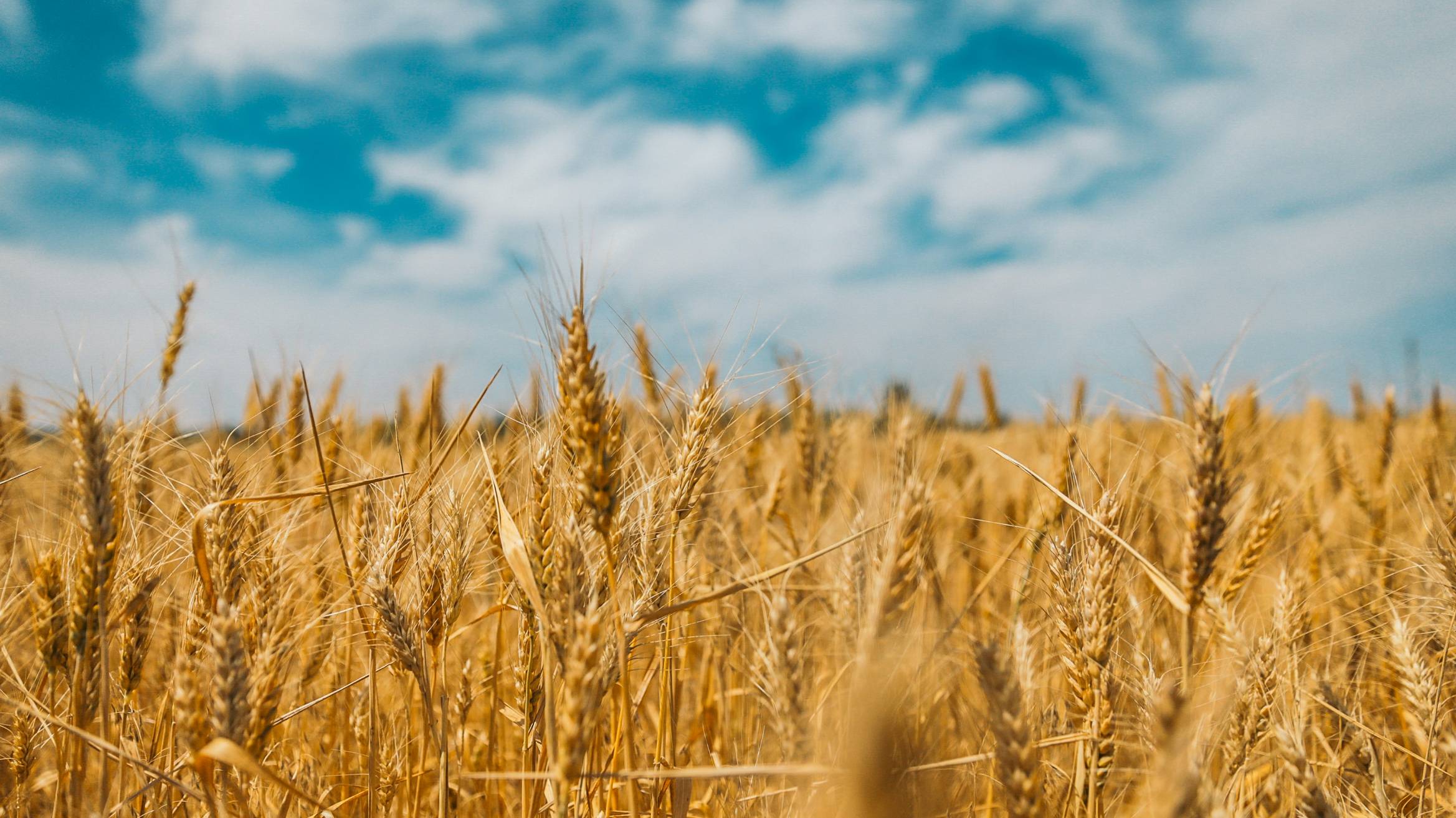
The developmental history of wheat is tightly bonded with the evolution of human civilization. From its primitive origins in the Fertile Crescent to its worldwide popularization, this essential grain has profoundly shaped human dietary structures, economic development and cultural customs. Looking ahead, sustainable wheat planting and rational utilization will continue to play a core role in feeding the growing global population, coping with climate challenges and safeguarding international food security.
More to explore

· en
Demystifying Flight Principles: A Deep Dive into the Mechanics of Aviation
Aiden Henry

· en
American Pika: The Tiny Mountain Survivor Facing a Changing Climate
julia

· en
The Hidden Meanings Behind Red Plum Blossoms
Eamon Vale

· en
Macaws: The Colorful Parrots of the Rain Forest
Veya Collins

· en
10 Famous Ships in History and How to Stay Safe on the Water
Paul

· en
Camellia Care Secrets for Stunning Winter Blooms
Evren Dalton