Feature story
Where Are Rocky Shores Found and How Do They Form?
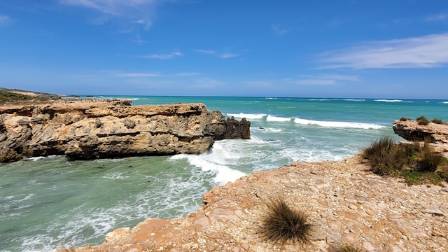
Rocky coastlines are energetic marine environments where solid, durable rock meets the ocean. Unlike sandy beaches or muddy shorelines, these areas are continually exposed to strong wave forces that prevent loose sediments from accumulating. Their landscapes are created through a combination of geological uplift and relentless coastal erosion. As a result, rocky shores support unique ecosystems in which physical conditions strongly influence both the terrain and the organisms that inhabit it.
Mason Cole
Writer
Lounge note
Settle in — the full story and key updates are below.
Desk
Entertainment
Rocky coastlines are energetic marine environments where solid, durable rock meets the ocean. Unlike sandy beaches or muddy shorelines, these areas are continually exposed to strong wave forces that prevent loose sediments from accumulating. Their landscapes are created through a combination of geological uplift and relentless coastal erosion. As a result, rocky shores support unique ecosystems in which physical conditions strongly influence both the terrain and the organisms that inhabit it.
Key Features of Rocky Shore Environments
The foundation of a rocky coastline consists of consolidated bedrock, including igneous, metamorphic, or highly resistant sedimentary formations. Because these rocks withstand intense wave energy, they remain exposed while softer materials are removed.
These coasts are considered high-energy environments. Constant wave attack often creates dramatic landforms such as steep cliffs, rocky headlands, and abrupt slopes that descend directly into the sea. As erosion gradually wears away coastal cliffs, relatively flat rock surfaces known as wave-cut platforms commonly develop near the low-tide mark. These platforms are formed through a combination of mechanical abrasion, weathering, and the action of moving water carrying sediment.
Marine erosion also produces some of the most striking coastal landforms, including sea caves, natural arches, and isolated sea stacks. Where waves bend around projecting headlands, energy becomes concentrated, increasing erosion rates. In contrast, sheltered coves may allow small amounts of sediment to collect, creating localized pocket beaches.
Geological Processes Behind Rocky Coast Formation
The development of rocky shorelines is closely connected to large-scale geological activity, especially tectonic forces. Many occur along active continental margins where interactions between tectonic plates cause land to rise. This uplift exposes resistant rock formations to marine processes, producing the steep coastal scenery commonly associated with rocky shores.
Geological structures such as faults, fractures, and folded rock layers further influence coastal shape. Differential erosion is particularly important. Softer rock units are worn away more rapidly, while harder formations remain intact, eventually forming prominent cliffs and projecting headlands.
In areas affected by Ice Age glaciation, additional processes have contributed to rocky coastal landscapes. Across parts of northern Europe and North America, glaciers carved deep U-shaped valleys into the bedrock. When global sea levels later increased, seawater flooded these valleys, creating the dramatic fjords seen today.
Some tropical coastlines have also developed rocky characteristics through the hardening of carbonate-rich sediments. Wind-blown coastal dunes composed of calcium-rich materials can become cemented into rock, forming resistant shorelines over time.
Global Distribution of Rocky Shores
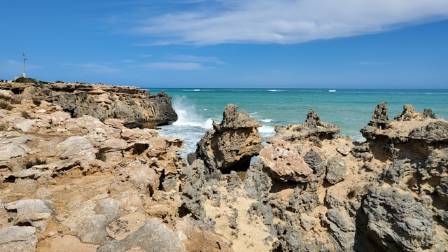
Rocky coastlines are found across the world and are especially common in regions with active geology or exceptionally durable bedrock.
The Pacific margins of North and South America provide some of the best examples. Along areas such as California, Oregon, Chile, and Peru, tectonic activity associated with plate boundaries has uplifted mountain ranges directly beside the ocean. These coasts expose resistant volcanic and metamorphic rocks that withstand intense wave action.
Northern Europe contains extensive rocky shore systems shaped largely by glaciation. The coastlines of Scandinavia, Iceland, western Canada, and similar regions are dominated by fjords formed from submerged glacial valleys. Elsewhere, including western Ireland and parts of northern Britain, rugged cliffs and rocky platforms have been sculpted by both ancient ice sheets and powerful Atlantic waves.
Rocky coastlines are not limited to tectonically active regions. They also occur in more stable geological settings, including portions of South Africa, eastern Canada, and southern Australia, where ancient resistant rock formations remain exposed along the shoreline.
Volcanic islands provide another example. In places such as the Hawaiian Islands, hardened lava flows create dramatic coastal cliffs and rugged shore platforms. Regardless of location, rocky shores exist where geological materials are strong enough to withstand the continual erosive force of the sea.
Life in the Rocky Intertidal Zone
The intertidal zone—the area located between the highest and lowest tide levels—is among the most challenging habitats on the planet. Organisms living here must endure constant environmental fluctuations, including pounding waves, drying during low tide, changing temperatures, and shifts in salinity.
Because conditions vary with elevation, species are distributed in distinct horizontal bands, a pattern known as zonation. Each band supports organisms adapted to a particular level of exposure and environmental stress.
Splash Zone
The uppermost section, often referred to as the splash zone, receives seawater mainly through wave spray rather than direct flooding. Organisms living here must withstand extended dry periods. Periwinkle snails and various lichens are common inhabitants because of their remarkable resistance to dehydration.
Upper Intertidal Zone
Below the splash zone lies the high-tide region. This area is regularly covered during high tides but remains exposed for long intervals. Barnacles and certain limpet species dominate here. Their hard shells and powerful attachment mechanisms help them survive both strong wave action and drying conditions. Barnacles, in particular, possess cone-shaped shells that reduce water resistance and seal tightly to conserve moisture.
Middle Intertidal Zone
The mid-tide area experiences daily cycles of submersion and exposure. Mussels and rockweeds are characteristic residents of this zone. Mussels secure themselves to rocks using strong byssal threads, creating dense colonies that reduce wave stress and help retain moisture within the community.
Lower Intertidal Zone
The lowest section of the rocky shore is exposed only during exceptionally low tides. Conditions here remain relatively stable and marine-like, allowing less stress-tolerant species to flourish. Sea stars, sea anemones, and large brown seaweeds such as kelp are common inhabitants. These organisms depend on frequent or continuous immersion in seawater and are generally unable to survive prolonged exposure to air.
Rocky shore ecosystems illustrate how geology and ocean forces work together to shape both landscapes and biological communities. From towering cliffs and wave-carved formations to highly specialized intertidal species, these coasts represent some of the most dynamic and resilient environments on Earth.
More to explore

· en
African Lion: The Powerful Predator of the Savannah
Nyra Caldwell

· en
Atlantic Green Sea Turtle
Ronan Ellwood

· en
The Definitive Guide to Styling Ankle Boots for Every Occasion
Frederick Carlisle

· en
Expert Techniques for Crafting the Perfect Chilled Beverage
Rowan Elliott Sinclair
· en
Top Rowing Competitions Around the World
Kate

· en
The Ginkgo Tree: History, Characteristics, and Autumn Splendor in Japan
Victoria Scott