Feature story
Famous Geometric Abstract Art
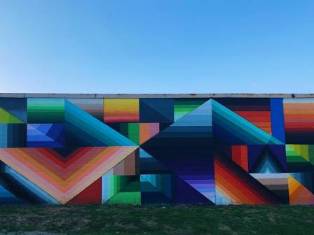
Geometric abstraction transforms visual elements into a kind of philosophy—where lines, shapes, and blocks of color invite contemplation, balance, and contrast. From its early beginnings in the 20th century to its modern interpretations across various media, this artistic movement has continuously evolved while maintaining its core essence.
Harper Quinn
Writer
Lounge note
Settle in — the full story and key updates are below.
Desk
Entertainment
Geometric abstraction transforms visual elements into a kind of philosophy—where lines, shapes, and blocks of color invite contemplation, balance, and contrast. From its early beginnings in the 20th century to its modern interpretations across various media, this artistic movement has continuously evolved while maintaining its core essence.
Origins of the Movement: Visionaries Who Changed Art
Kazimir Malevich’s Black Square (1915) is often seen as a defining starting point—a radical step away from realism toward pure form. Meanwhile, Piet Mondrian introduced structured grids of red, yellow, and blue, creating harmony and a sense of spiritual order through geometry. These pioneers turned simple shapes into a universal visual language.
The Mid-Century Innovators
Artists like Josef Albers expanded the movement with his Homage to the Square series, examining how colors interact within layered forms. Bridget Riley explored dynamic optical effects, while Frank Stella experimented with unconventional canvas shapes, redefining spatial perception and composition.
Geometry as a Form of Reflection
Though sometimes perceived as minimal or impersonal, geometric abstraction carries deep emotional resonance. Agnes Martin used delicate grids to evoke tranquility, while Carmen Herrera employed bold contrasts to express clarity and strength. Beneath its quiet surface, this art form is rich with intention and feeling.
Contemporary Interpretations
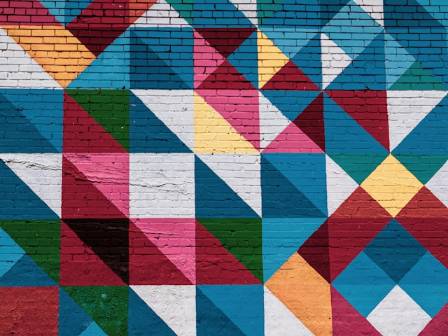
Today’s artists continue to reinterpret geometric abstraction using new materials, cultural influences, and digital techniques. This style now extends far beyond traditional canvases, appearing in architecture, fashion, NFTs, and immersive installations—demonstrating its flexibility and ongoing relevance.
Why It Still Resonates
In a fast-paced, overstimulated world, geometric abstraction offers a sense of order and calm. Collectors and viewers are drawn to its balance, symbolism, and meditative qualities. Even the simplest shape—a triangle, a square—can suggest deeper ideas of structure, perception, and harmony.
More to explore

· en
Hourglass Decor: Timeless Beauty for Your Home
Hazel Monroe

· en
Essential Guide to Sculpting Figures with Polymer Clay
Dorothy May Langford

· en
The Great Blue Hole in Belize: A Natural Wonder
Willa Grant

· en
The Real Difference Between Alpacas and Llamas And Why It Matters
Hayward Benjamin

· en
Cooking for One: Budae Jjigae (Korean Army Stew)
Brandon

· en
A Delicious Dive into the Morning Traditions of China
Dylan Cross