← Back home3 min read
Nagasaki’s Glittering Secret: A Practical Guide to Omura’s Glass Beach

Feature story

Nagasaki’s Glittering Secret: A Practical Guide to Omura’s Glass Beach

While Japan’s coastline is famed for its emerald waters and golden sands, the shore of Omura Bay in Nagasaki Prefecture offers a different kind of spectacle. Awarded recognition by TripAdvisor in 2018, this unique "Glass Beach" transforms industrial utility into a visual marvel. Unlike the tropical clarity of Okinawa or the lively atmosphere of Enoshima, this site trades waves for glittering shards, offering a serene, almost otherworldly experience. Here is how this man-made wonder came to be, and how you can plan your visit.

J

James Anderson

Writer

Lounge note

Settle in — the full story and key updates are below.

Desk

Entertainment

While Japan’s coastline is famed for its emerald waters and golden sands, the shore of Omura Bay in Nagasaki Prefecture offers a different kind of spectacle. Awarded recognition by TripAdvisor in 2018, this unique "Glass Beach" transforms industrial utility into a visual marvel. Unlike the tropical clarity of Okinawa or the lively atmosphere of Enoshima, this site trades waves for glittering shards, offering a serene, almost otherworldly experience. Here is how this man-made wonder came to be, and how you can plan your visit.

What Makes This Beach Unique?

Located in Omura City, on the southwestern edge of Japan, this beach lacks an official name but possesses a distinct identity. Historically, the coastline was an unattractive stretch of rocky terrain. During the humid summer months, these rocks fostered thick layers of algae, emitting unpleasant odors that deterred visitors.
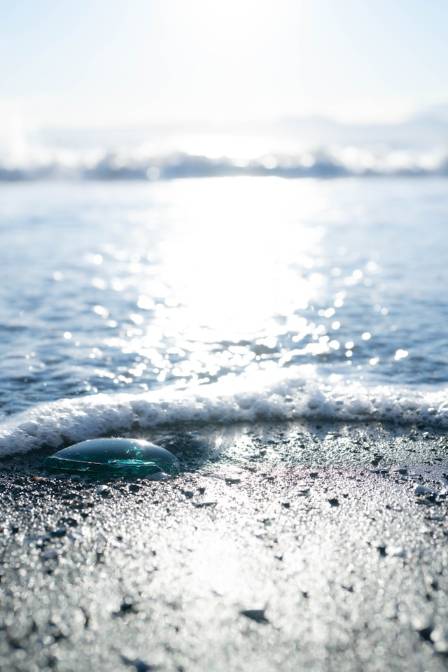
In a bid to reclaim the shoreline, local residents removed the rocks and covered the area with millions of smooth, recycled glass pebbles. This innovative solution prevented algae growth and created a stunning visual effect. When sunlight strikes the beach at the right angle, the thousands of polished glass fragments sparkle brilliantly. Unlike natural sand, the glass remains cool to the touch and is perfectly safe to walk on, offering a tactile experience unlike any other seaside visit.
(Note: While California’s Glass Beach is the most famous example, Omura offers a quieter, more curated version of this phenomenon.)

Activities at the Shore

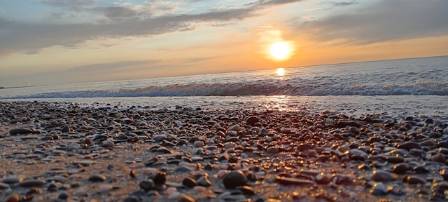
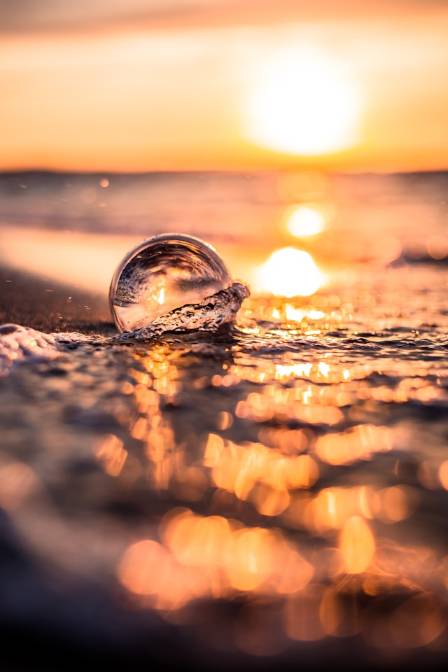
Currently, swimming in Omura Bay is prohibited, but the beach has become a magnet for photographers, Instagrammers, and curious travelers. The beach is easily accessible from Morizono Park, where you can observe the glittering expanse from above before descending to the shore for a closer look. It serves as an ideal spot for a picnic, sightseeing, or nature photography, particularly during the golden hours of sunrise and sunset when the light catches the glass most effectively.

Nearby Attractions

Omura is a modest city, but its surroundings offer significant historical and cultural depth:
  • Kushima Castle & Old En'yu-ji Garden:​ The city is anchored by the ruins of Kushima Castle, situated on a peninsula jutting into the bay. For a step back in time, visit the Old En'yu-ji Garden, a preserved site that retains the architectural aesthetics of the Edo period (1603–1868).
  • Nagasaki City (40 mins South):​ A short journey south brings you to Nagasaki, a city of profound historical significance. As one of Japan's major port cities and the site of the second atomic bombing in WWII, it offers a powerful narrative of resilience and cultural diversity.
  • Gunkanjima (Hashima Island):​ Perhaps the most iconic nearby landmark, this abandoned coal mining island sits about 20 kilometers from Nagasaki Port. Once one of the most densely populated places on Earth, its derelict concrete skyscrapers now stand as a haunting monument to Japan’s industrial past. Tours are available for those wishing to explore this modern ghost town.
Getting There
From Nagasaki Station:
The most straightforward route is via local bus. The journey to Omura Bay takes approximately 45 minutes and costs around 900 yen ($8.20 USD / £6.11) each way.
From Tokyo:
To reach the area from Tokyo, take the JR Tokaido/Sanyo Shinkansen from Tokyo Station to Hakata Station in Fukuoka. This leg of the trip takes about five hours, with fares costing approximately 22,950 yen ($210 USD / £156) each way. From Hakata, connecting trains and buses will take you to Omura.
Insider Tip:​ For the best experience, visit on a weekday to avoid crowds and aim for mid-afternoon when the sun begins to dip, maximizing the reflective properties of the glass.

More to explore