Introduction: Blueberries—Nature’s Vibrant Antioxidant Powerhouse
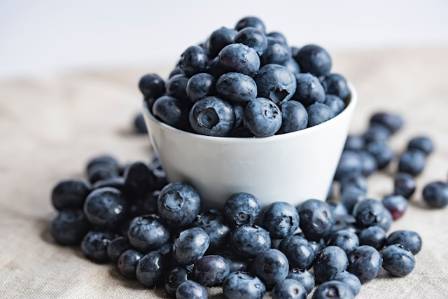
Blueberries, with their deep indigo hue and perfect balance of sweet and tart flavors, are more than just a beloved fruit—they’re a nutritional powerhouse celebrated for their exceptional health benefits. Native to North America, these nearly seedless berries have been cherished for millennia, from their medicinal use by Indigenous peoples to their modern status as a staple in healthy diets worldwide. Packed with vitamins, minerals, and a concentrated dose of antioxidants (notably anthocyanins, which give them their signature color), blueberries offer a range of science-backed benefits, supporting heart health, blood sugar regulation, digestion, and more. Available year-round—fresh in summer and frozen or imported in winter—they’re a versatile and accessible addition to smoothies, baked goods, salads, and snacks. Below, we explore the full spectrum of blueberries’ virtues, from their botanical basics to practical tips for growing, preparing, and storing them.
What Are Blueberries? Botany, History, and Varieties
Blueberries are edible fruits from shrubs of the genus Vaccinium, part of the heath family (Ericaceae), native to mild-climate regions of North America. Two primary varieties dominate the market: highbush blueberries (Vaccinium corymbosum), the large, plump berries commonly found in supermarkets, and lowbush (wild) blueberries (Vaccinium angustifolium), smaller, more concentrated berries harvested from wild or cultivated low-growing shrubs. For thousands of years, Native American tribes—including the Cherokee, Iroquois, and Ojibwe—relied on blueberries as a food source (eaten fresh, dried, or mixed with meats) and for medicinal purposes: leaves were brewed into teas to soothe digestive issues, roots were used to treat skin conditions, and berries were believed to boost stamina. Today, blueberries are cultivated globally, with the U.S., Canada, and Chile leading production, making them a beloved fruit across cultures for their flavor and nutritional density.
When Are Blueberries in Season? Availability Year-Round
Blueberries thrive in temperate climates, and their natural growing season in the United States typically spans from April to September, with peak harvests in June and July (varying slightly by region: earlier in the South, later in the North). However, thanks to global trade and modern farming practices, blueberries are available fresh year-round: from late fall to early spring, supermarkets stock imports from South America (primarily Chile, Peru, and Argentina), where the growing season aligns with the Northern Hemisphere’s winter. Farmers markets are ideal for sourcing fresh, locally grown blueberries during peak season, offering superior flavor and freshness compared to long-haul imports. For those seeking the most nutrient-dense option, in-season, locally grown berries are preferable, as they’re picked at full ripeness and retain more vitamins and antioxidants than fruits harvested early for shipping.
Are Frozen Blueberries as Healthy as Fresh? Nutrient Retention Facts
A common question about blueberries is whether frozen varieties match fresh ones in nutritional value—and the answer is largely yes, with minor caveats. Freezing freshly picked blueberries locks in most nutrients, as the rapid freezing process preserves antioxidants (like anthocyanins) and fiber, which are stable at low temperatures. In fact, frozen blueberries may sometimes have higher antioxidant levels than fresh berries that have been stored for days, as antioxidants in fresh blueberries gradually degrade over time. The primary difference is vitamin C: fresh blueberries contain slightly more of this heat- and air-sensitive vitamin, which can diminish during freezing and storage. However, the gap is minimal, and frozen blueberries remain an excellent choice for smoothies, baking, or cooking—offering convenience without sacrificing most health benefits. When buying frozen blueberries, opt for unsweetened varieties to avoid added sugars.
Key Health Benefits of Blueberries: Science-Backed Advantages
Blueberries’ health benefits stem from their rich array of nutrients and bioactive compounds, making them one of the most nutrient-dense fruits. Their high antioxidant content—often ranked among the highest of any common fruit or vegetable—targets free radicals, unstable molecules that damage cells and contribute to chronic diseases. One of the most well-studied benefits is heart health: blueberries are rich in vitamin K (supports blood clotting and arterial health) and anthocyanins, which help lower LDL (“bad”) cholesterol by preventing its oxidation (a key step in artery-clogging plaque formation). Regular consumption has also been linked to reduced blood pressure: studies show that eating 1–2 cups of blueberries daily can lower systolic blood pressure by 4–6 mmHg in adults with hypertension, thanks to anthocyanins’ ability to relax blood vessels. For people with type 2 diabetes, blueberries improve insulin sensitivity, helping the body use insulin more effectively to regulate blood sugar levels. Additionally, the 4 grams of dietary fiber per cup supports digestive health by promoting regular bowel movements and feeding beneficial gut bacteria, while antioxidants like quercetin may reduce inflammation in the gut.
Blueberry Nutrition: A Breakdown of Key Nutrients
A one-cup (148-gram) serving of fresh blueberries is surprisingly low in calories—about 80 kcal—while packing a punch of essential nutrients. It contains 1 gram of protein, less than 1 gram of fat, 22 grams of carbohydrates (including 15 grams of natural sugars and 4 grams of dietary fiber, 16% of the Daily Value, DV), and is cholesterol- and sodium-free. Blueberries are an excellent source of vitamin C (25% DV), a powerful antioxidant that boosts immunity and collagen production; vitamin K (36% DV), critical for bone health and blood clotting; vitamin A (5% DV), which supports eye health; and manganese (25% DV), a mineral that aids metabolism and bone formation. They also provide small amounts of potassium, folate, and B vitamins, rounding out their nutritional profile. What sets blueberries apart is their concentration of phytonutrients, particularly anthocyanins, catechins, and resveratrol—compounds that work synergistically with vitamins and minerals to deliver their health benefits.
Wild Blueberries vs. Farmed Blueberries: Nutritional Differences
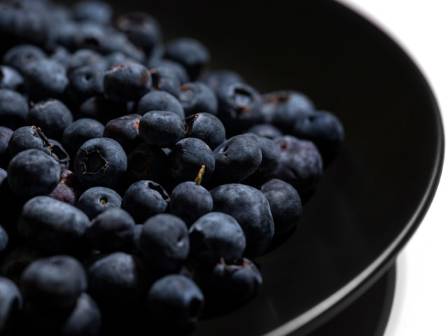
Wild blueberries (lowbush), often sold frozen, are smaller than farmed (highbush) blueberries but pack a more intense nutritional punch. They contain up to twice the amount of anthocyanins as their larger counterparts—these antioxidants are linked to reduced signs of aging, lower cancer risk, and protection against DNA damage. A cup of organic wild blueberries also offers twice the fiber (8 grams vs. 4 grams) and calcium (20 mg vs. 10 mg) of farmed blueberries, with slightly less sugar (13 grams vs. 15 grams) and carbohydrates (20 grams vs. 22 grams). Farmed blueberries, however, have a slight edge in vitamin C content (14 mg per cup vs. 10 mg in wild blueberries) and are more readily available fresh. Both varieties offer exceptional health benefits, so the choice often comes down to use: wild blueberries are ideal for smoothies, baking, or adding to oatmeal (their intense flavor stands out), while farmed blueberries are perfect for eating fresh or adding to salads.
Blueberry Tea: Benefits, Types, and Nutrition
Blueberry tea is a refreshing beverage with two primary forms: true blueberry leaf tea (made from steeping the leaves of the blueberry shrub) and commercial blueberry-flavored tea (often black or green tea infused with artificial or natural blueberry flavoring). Only true blueberry leaf tea retains the same health-promoting compounds as the berries, including vitamin C, anthocyanins, and polyphenols. Its benefits include boosting immunity: vitamin C enhances white blood cell function, while anthocyanins help fight infections. Early research suggests that compounds in wild blueberry leaves may reduce inflammation associated with cognitive disorders like Alzheimer’s disease, supporting brain function. A small study also found that children at risk for high cholesterol experienced improved blood fat levels after drinking blueberry leaf tea daily for three months, though more research is needed to confirm this effect in adults. Nutritionally, a cup of unsweetened blueberry leaf tea has 0 calories, fat, cholesterol, or sodium, and adds small amounts of vitamin C, vitamin K, manganese, and potassium. For extra flavor and nutrients, add a handful of dried blueberries during steeping (note: this adds natural sugar and calories).
How to Grow Blueberries: A Beginner’s Guide
Growing blueberries at home is rewarding, as they’re relatively low-maintenance and produce fruit for years. Start with the right soil: blueberries thrive in well-drained, acidic soil with a pH between 4.5 and 5.5 (amend with peat moss or sulfur if your soil is too alkaline). Choose at least two varieties for cross-pollination (improving fruit yield), such as ‘Bluecrop’ and ‘Jersey’ (highbush) or ‘Northland’ (lowbush). Plant shrubs in a sunny location (6–8 hours of direct sunlight daily—more shade reduces fruit production) with spacing: 2 feet apart for rows of lowbush shrubs, 6 feet apart for highbush bushes. Cover the root zone with 2–4 inches of mulch (grass clippings, pine straw, or wood chips) to retain moisture, suppress weeds, and maintain soil acidity. Water regularly (1–2 inches per week) and fertilize in spring with an acidic fertilizer (avoid high-nitrogen fertilizers). Blueberry bushes begin growing within two months of planting but typically take 2–3 years to produce full harvests. Look for white, bell-shaped flowers in spring, followed by green fruit that ripens to deep blue—berries are ready to pick when the fruit and part of the stem turn blue.
How to Prepare Blueberries: Versatile Ways to Enjoy Them
Blueberries’ mild, sweet-tart flavor makes them incredibly versatile in both sweet and savory dishes. They can be used fresh or frozen interchangeably in most recipes (frozen berries may release more juice when cooked, so adjust thickeners like cornstarch if needed). Popular preparations include baking into pies, muffins, or pancakes; blending into smoothies, yogurt bowls, or homemade ice cream; adding to oatmeal, granola, or cereal; or using fresh in salads (paired with greens, goat cheese, and nuts) or gazpacho. Dried blueberries make a tasty, raisin-like snack or addition to trail mix. It’s important to note that heating blueberries can reduce their antioxidant content slightly (anthocyanins are heat-sensitive), but the difference is minimal, and cooked blueberries still offer significant health benefits. For the most nutrition, enjoy a mix of fresh and cooked blueberries to maximize nutrient intake.
How to Store Blueberries: Fresh, Frozen, and Canned Methods
Proper storage preserves blueberries’ freshness and nutrients. For fresh blueberries: refrigerate immediately after purchasing (store in their original container or a covered bowl) and use within 5–7 days. Rinse berries just before eating (not before storage, as moisture promotes mold growth). To freeze blueberries: wash and dry thoroughly, spread in a single layer on a baking sheet (prevents clumping), freeze for 1–2 hours, then transfer to airtight freezer bags or containers. Frozen blueberries keep for up to 10 months and can be used directly from the freezer (no thawing needed for smoothies or baking). Canning blueberries is another option: use a water bath canner to preserve raw, heated, or cooked blueberries in a syrup (sugar, water, and juice) following USDA guidelines to prevent bacterial growth. Canned blueberries last up to 1 year in a cool, dark pantry and are ideal for pies, sauces, or topping yogurt.
Conclusion: Blueberries—A Simple Addition to a Healthier Diet
Blueberries’ combination of great taste, versatility, and exceptional nutritional value makes them a standout superfruit. Whether eaten fresh, frozen, or brewed into tea, they offer a range of health benefits, from supporting heart and brain health to aiding digestion and blood sugar control. Their year-round availability and ease of use (no peeling or pitting required) make them a convenient choice for busy lifestyles, while their ability to thrive in home gardens lets you enjoy the freshest possible berries. By incorporating blueberries into your daily diet—whether in breakfast, snacks, or meals—you’re adding a nutrient-dense food that supports long-term wellness. As research continues to uncover their benefits, it’s clear that blueberries are more than just a tasty treat—they’re a simple, natural way to boost your health.