Feature story
Exploring the Unique World of Elephant-Created Artworks
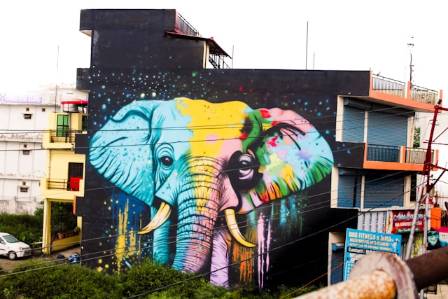
Elephant-created artwork occupies a remarkable place where wildlife, creativity, and human curiosity meet. These extraordinary paintings have attracted attention from collectors, conservationists, and art enthusiasts alike, offering a fresh perspective on artistic expression beyond traditional boundaries.
Augustus Wilder
Writer
Lounge note
Settle in — the full story and key updates are below.
Desk
Entertainment
Elephant-created artwork occupies a remarkable place where wildlife, creativity, and human curiosity meet. These extraordinary paintings have attracted attention from collectors, conservationists, and art enthusiasts alike, offering a fresh perspective on artistic expression beyond traditional boundaries.
The Emergence of Elephant Art
An Unusual Beginning
The story of elephant painting began through close interactions between humans and elephants. For centuries, elephants have symbolized intelligence, power, and wisdom across many cultures. Yet only in recent decades did people begin exploring the possibility of elephants actively participating in the creation of art.
This unexpected artistic practice emerged alongside conservation and animal enrichment programs. Researchers and caretakers became interested in understanding the cognitive abilities of elephants and developed activities that allowed these highly intelligent animals to interact with brushes, paint, and canvas.
As a result, elephant art evolved into a distinctive form of wildlife-inspired creativity. These paintings often feature vibrant colors, energetic movements, and abstract patterns that reflect the unique motions of each elephant. While human guidance may play a role in the process, the resulting works showcase the animals' remarkable abilities and individuality.
Over time, elephant paintings gained recognition far beyond novelty status. Collectors began viewing them as meaningful artistic works, leading to growing demand and increasing market value.
Understanding the Creative Process
Where Instinct Meets Expression
The appeal of elephant paintings lies largely in the fascinating process behind them. Using their trunks to hold brushes, elephants create marks and patterns that are both spontaneous and visually engaging.
Rather than producing highly structured images, many elephants generate colorful abstract compositions characterized by movement, texture, and unpredictability. Their natural curiosity and physical gestures contribute significantly to the final outcome.
The artistic process typically involves:
Safe, animal-friendly materials
Minimal guidance from handlers
Freedom for the elephant to interact with the canvas
Unique brush movements that cannot be replicated by humans
Each painting becomes a one-of-a-kind work shaped by the elephant's behavior and personality. The resulting artwork often embodies a raw and organic quality that appeals to collectors seeking something truly original.
These creations challenge traditional ideas about authorship and artistic talent, encouraging viewers to reconsider the boundaries of creative expression.
The Growing Market for Elephant Art
From Conservation Centers to Private Collections
As awareness of elephant-created artwork has expanded, so has its presence in galleries, exhibitions, and private collections.
Several factors influence the value of an elephant painting:
The reputation of the elephant artist
The size and complexity of the work
The originality of the composition
The rarity of available pieces
Some paintings are offered at accessible prices, while others command significantly higher values due to their uniqueness or association with well-known elephant artists.
Collectors are often attracted not only by the visual appeal of the artwork but also by the story behind its creation. Owning an elephant painting provides a conversation piece that combines art, wildlife, and conservation themes.
The growing popularity of these works has transformed them into a specialized niche within the broader art market, appealing to those seeking something beyond conventional artistic offerings.
Ethical Questions Surrounding Elephant Art
Balancing Creativity and Animal Welfare
While elephant paintings continue to attract interest, ethical considerations remain an important part of the discussion.
One of the primary concerns involves ensuring that elephants participate willingly and are not subjected to stressful conditions. Responsible programs prioritize animal welfare and focus on enrichment rather than performance.
Key ethical factors include:
Welfare Standards
Painting activities should support the well-being of the elephants and align with their natural behaviors. Animals should never be forced or punished to produce artwork.
Transparency
Buyers should seek information about the facilities where the elephants live and create. Ethical organizations are typically open about their care practices and conservation efforts.
Authenticity
As demand grows, verifying the originality of elephant-created works becomes increasingly important. Genuine paintings often carry greater artistic and collector value.
For many collectors, purchasing elephant art is not merely an investment but also a way of supporting organizations that prioritize responsible treatment of wildlife.
Famous Elephant Artists and Their Contributions
Exceptional Talent in Unexpected Places
Several elephants have achieved remarkable recognition for their artistic output. Their paintings have been displayed in exhibitions, featured in collections, and celebrated for their distinctive visual styles.
Some elephant artists are known for:
Bold abstract compositions
Bright and energetic color palettes
Distinctive brushwork
Consistent artistic characteristics across multiple works
Many of these celebrated elephants come from conservation centers in Africa and Asia, where their creations have attracted international attention.
Collectors often value these paintings not only for their visual impact but also for the stories behind them. Every brushstroke reflects a unique interaction between an intelligent animal and the creative process.
The individuality expressed through these artworks contributes significantly to their appeal and market value.
The Future of Elephant Art
A Growing Presence in the Luxury Art World
The position of elephant-created art within luxury markets continues to strengthen. As collectors increasingly seek rare and meaningful works, elephant paintings offer a compelling combination of originality, wildlife connection, and artistic intrigue.
Several factors support this continued growth:
Increasing global interest in wildlife art
Appreciation for unconventional creative expression
Limited availability of original elephant works
Growing awareness of conservation-related themes
The distinctive nature of elephant paintings makes them stand out among traditional artworks. Their blend of spontaneity, color, and symbolism appeals to both experienced collectors and newcomers to the art world.
As long as ethical standards remain a priority, elephant-created artworks are likely to continue attracting admiration and maintaining their place within the luxury art market.
Conclusion
Elephant paintings represent a fascinating intersection of nature, intelligence, and artistic expression. What began as an experimental activity has evolved into a respected niche within the art world, captivating audiences with its originality and emotional resonance.
Whether appreciated as wildlife art, collector's pieces, or symbols of conservation, these remarkable creations remind us that creativity can emerge in the most unexpected places. As interest continues to grow, elephant art remains a powerful example of how humans and animals can inspire entirely new forms of artistic appreciation.
More to explore
· en
Turkey’s ‘Fairy Chimneys’ Were Millions of Years in the Making
Lyra Bennett

· en
Cooking for One: Budae Jjigae (Korean Army Stew)
Brandon
· en
Four Key Facts to Learn About Polar Bears
Oliver Collins
· en
The Largest RVs You Can Own
Luna Hart
· en
Impressionist Sunset Over Lake
Mia Claire
· en
11 Must-Visit Beaches and Coastlines
Victoria Parker