← Back home1 min read
Feature story
10 fascinating facts about Adélie penguins
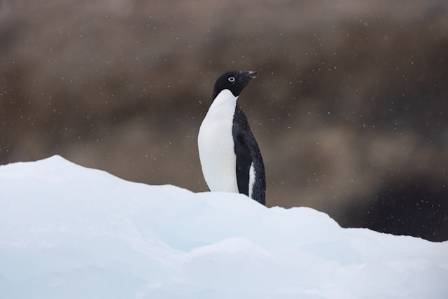
The Adélie penguin was named by French explorer Jules Dumont d’Urville in 1840, after his wife, Adèle.
G
Grace Mitchell
Writer
Lounge note
Settle in — the full story and key updates are below.
Desk
Entertainment
1. Named with Love
The Adélie penguin was named by French explorer Jules Dumont d’Urville in 1840, after his wife, Adèle.
2. Small but Feisty
As the smallest penguin species in Antarctica, Adélies may appear cute and clumsy on land, but they are known to defend themselves aggressively against predators and even researchers.
3. Rock Collectors
Male Adélie penguins build nests by collecting small rocks, sometimes stealing them from neighboring nests to attract females.
4. Molt Period
Once a year, Adélie penguins molt, during which they lose their waterproof feathers and must stay out of the water, unable to feed, for up to three weeks.
5. Tuxedo Appearance
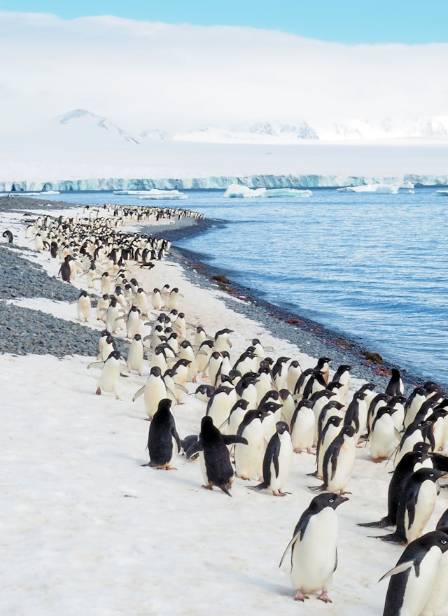
Both male and female Adélie penguins have a distinctive black back and head, white chest and belly, and white rings around their eyes, resembling a tuxedo.
6. Early Independence
At 7 to 9 weeks old, Adélie penguin chicks leave the colony to go to sea. Most do not return until they are 3–5 years old and ready to breed.
7. Swift Swimmers
On land, they waddle at about 1.5 mph, but in water, they can swim at speeds of 2.5–5 mph and can reach up to 9.3 mph when hunting or escaping predators.
8. True Antarctic Residents
Of the 18 penguin species, only the Emperor and Adélie penguins are true Antarctic residents, living and breeding on the continent.
9. Deep Divers
Adélie penguins can dive to depths of up to 180 meters (about 590 feet) in search of food.

10. Climate Change Challenges
While Adélie penguin numbers are increasing overall, in areas like the Antarctic Peninsula, warming temperatures and reduced sea ice are allowing Gentoo penguins to thrive, potentially outcompeting Adélies.
More to explore

· en
Top 8 Stylish Fruit Bowls That Will Elevate Your Kitchen Decor
Lucy
· en
Exploring the Giant’s Causeway in Northern Ireland
Elara Vaughn
· en
Impressionist Sunset Over Lake
Mia Claire
· en
Davenport Pier Swing – How To See This Hidden Gem
Lyanna Foster

· en
Top 8 Fascinating Secrets of Baku’s Maiden Tower
Jack
· en
Top 10 Best Houseplants for Cleaner, Healthier Indoor Air
Shirely