Feature story
Strategies for Selecting the Premier Rotisserie Chicken
A rotisserie chicken is a foundational tool for efficient meal planning, providing a flavorful and convenient protein source for salads, stews, and casseroles. However, the quality of these birds can fluctuate significantly between batches. To ensure you select a bird that is both succulent and high in quality, it is essential to evaluate several visual and physical factors before making a purchase.
Logan Patrick Montgomery
Writer
Lounge note
Settle in — the full story and key updates are below.
Desk
Entertainment
A rotisserie chicken is a foundational tool for efficient meal planning, providing a flavorful and convenient protein source for salads, stews, and casseroles. However, the quality of these birds can fluctuate significantly between batches. To ensure you select a bird that is both succulent and high in quality, it is essential to evaluate several visual and physical factors before making a purchase.
Identifying Visual and Physical Quality Markers
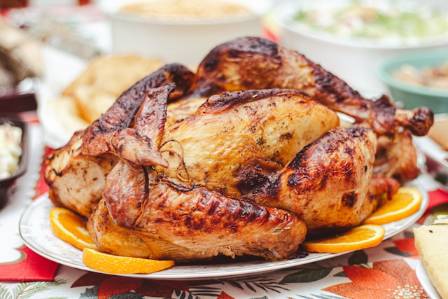
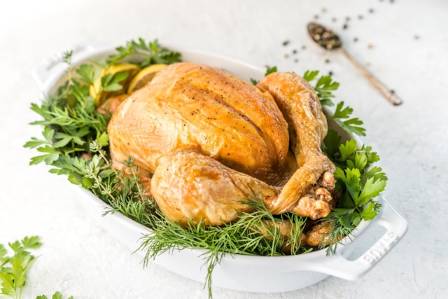
The exterior of the chicken offers immediate clues regarding its preparation and current state. Look for a bird with a uniform, deep golden-brown skin, which indicates proper roasting and a crisp texture. You should avoid chickens that appear shriveled or have dull, patchy coloration, as these are often signs of overexposure to heat or uneven cooking. Furthermore, the presence of visible spices and herbs suggests a well-marinated product, whereas a pale exterior typically points toward a lack of seasoning.
Physical weight is another reliable indicator of quality. Similar to selecting fresh produce, you should choose a chicken that feels substantial for its dimensions. A heavier bird is generally more saturated with natural juices. If you are uncertain, comparing the weight of two similar-sized packages can help you identify which one has retained its moisture and which has begun to dehydrate under the warming lights. Additionally, a small amount of clear liquid at the base of the container is a positive sign of moisture retention, but you should be wary of excessive pooling or a thick oily film, which often suggests the meat has lost its internal juices.
Timing, Sourcing, and Ingredient Transparency
The timing of your purchase is critical to securing the freshest product. Many retailers include timestamps on their labels; aim for a bird roasted within the last two hours for peak flavor. Shopping during high-traffic periods, such as the early evening or lunch hour, increases the likelihood that you are picking up a freshly prepared batch. The reputation of the vendor also plays a role, as certain large-scale retailers are known for more rigorous quality control and higher turnover rates than smaller establishments.
It is also prudent to examine the ingredient list on the packaging. Higher-quality options will have fewer additives, whereas lower-tier products are often injected with heavy sodium solutions or various preservatives. When considering flavor profiles, think about your intended use for the leftovers. While specialized seasonings like citrus-pepper or spicy glazes are enjoyable on their own, a traditionally seasoned or plain chicken offers much greater flexibility if you plan to repurpose the meat for different types of cuisine later in the week.
Optimal Storage and Preservation Techniques
To maintain the safety and quality of the chicken once you arrive home, do not leave it at room temperature for longer than sixty minutes. If it is not being consumed immediately, it should be placed in the refrigerator and used within three to four days. For those who enjoy meal prepping, shredding the meat while it is still warm and transferring it to a sealed container can make future assembly much faster.
If you cannot finish the chicken within a few days, the meat can be successfully frozen. Shred the chicken and store it in an airtight, freezer-safe bag or container, where it will remain in good condition for up to three months. This ensures that you always have a high-quality protein ready for quick soups or pasta dishes without the need for additional prep work.
More to explore

· en
The Real Difference Between Alpacas and Llamas And Why It Matters
Hayward Benjamin

· en
A Comprehensive Guide to Hand-Sewing Miniature Felt Creatures
George White
· en
Top 8 Stylish Fruit Bowls That Will Elevate Your Kitchen Decor
Lucy

· en
New Giant Telescopes Are About To Rock Astronomy
Morgan Hayes

· en
Amazing Cliff Jumps Around the World
Stellan Hayes

· en
Everything You Need to Know About Guinea Pigs
Declan Frost