Feature story
Reasons to Grow Spider Plants
Spider Plants are attractive, dependable, and among the easiest houseplants to cultivate indoors. They are an excellent choice for people who are new to gardening, while experienced plant enthusiasts can also find plenty to enjoy about them. Their combination of beauty, adaptability, and easy propagation has made them a longtime favorite. If you have ever wondered why Spider Plants remain so popular, there are plenty of qualities worth discovering.
Elara Hayes
Writer
Lounge note
Settle in — the full story and key updates are below.
Desk
Entertainment
Spider Plants are attractive, dependable, and among the easiest houseplants to cultivate indoors. They are an excellent choice for people who are new to gardening, while experienced plant enthusiasts can also find plenty to enjoy about them. Their combination of beauty, adaptability, and easy propagation has made them a longtime favorite. If you have ever wondered why Spider Plants remain so popular, there are plenty of qualities worth discovering.
They Have a Naturally Attractive Appearance
Every houseplant can add its own character to an indoor space, and Spider Plants are no different. Although they do not produce large, dramatic flowers like some tropical houseplants, their lush foliage provides plenty of visual interest.
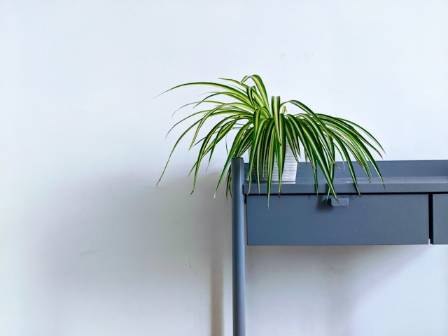
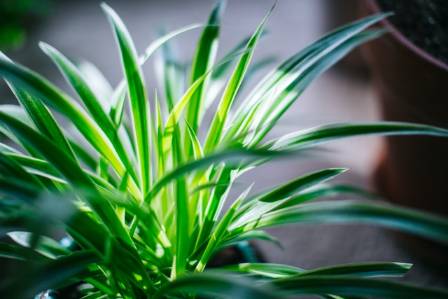
Long, narrow leaves marked with shades of green and white emerge from the center of the plant and gracefully arch outward. The foliage moves gently as it hangs in the air, creating an appearance somewhat like flowing grass. During summer, mature plants can also produce tiny white flowers on long stems. These stems eventually develop small plantlets that hang from the mother plant, creating the familiar spider-like appearance that gives the plant its common name.
They Are Simple to Care For
One of the greatest advantages of Spider Plants is their ability to adjust to a wide range of indoor environments. They can tolerate conditions from partial shade to some direct sunlight and are comfortable across a fairly broad temperature range. Although they have preferred watering conditions, they are forgiving when you occasionally forget to water them or allow the soil to become somewhat dry.
For the healthiest growth, provide conditions close to their ideal environment:
Water: Give the plant a drink when the upper inch of soil has dried out. During winter, reduce watering somewhat.
Temperature: Normal household temperatures work well, although Spider Plants can generally tolerate temperatures between 55 and 80°F.
Light: Bright to medium indirect light is best. Strong, direct sunlight can damage or scorch the foliage.
Soil: Use a loose, well-draining potting mixture that does not allow excess water to remain around the roots.
They Can Be Grown in Many Ways
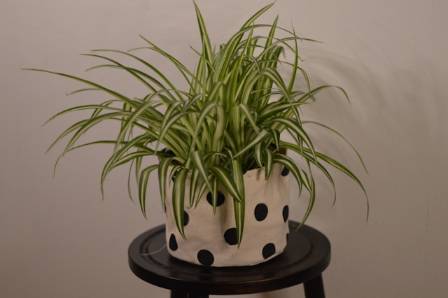
The naturally spreading shape of Spider Plants makes them especially well suited to hanging containers. When allowed to trail freely, their long leaves curve over the edges of the pot, while the small plantlets hang beneath the mother plant in a variety of appealing patterns.
They can also be placed on desks, shelves, tables, and other stable surfaces. If the plant becomes excessively dense, you can trim the foliage and remove some of the baby plants. Those plantlets can then be used to grow additional Spider Plants.
Spider Plants are remarkably adaptable, making them suitable for almost any room in the house and for gardeners with virtually any level of experience.
They Are Extremely Easy to Propagate
Spider Plants are particularly generous when it comes to producing new plants. Once a mature plant reaches the right stage, it sends out long stems carrying miniature versions of itself. These young plantlets eventually develop roots when they come into contact with soil.
You can simply leave these little plants attached and enjoy their decorative appearance, or use them to create new plants. Once a plantlet reaches roughly two inches across, you can cut it away from the mother plant and place it in its own container of potting soil.
For an even higher chance of successful rooting, place the young plantlet into a separate pot while it is still connected to the mother plant. Once it has developed its own roots, cut the connecting stem. This allows the baby plant to establish itself before becoming completely independent.
They Can Help Improve Indoor Air
Spider Plants were included by NASA among houseplants studied for their potential air-cleaning abilities, alongside well-known plants such as Boston ferns and English ivy.
Research associated with NASA's study found that Spider Plants can remove substances including formaldehyde, xylene, and toluene from indoor air. However, a significant effect would require more plants than most people typically keep in their homes.
Like other houseplants, Spider Plants also contribute oxygen through photosynthesis. Having greenery indoors can make rooms feel fresher and more pleasant and may contribute to a more uplifting atmosphere, particularly during the colder months when windows are often kept closed.
They Are Remarkably Hardy
Spider Plants generally experience few serious pest or disease problems, which is another reason they are so suitable for beginners. One of the more common issues you may notice is browning at the tips of the leaves.
This can sometimes occur when fluoride and other substances present in tap water accumulate in the soil. If only a few leaf tips have turned brown, you can simply trim away the damaged portions. If browning continues to appear, replacing the old potting soil with fresh soil can help remove accumulated fluoride and other unwanted materials.
The History of Spider Plants
Spider Plants originated in the tropical regions of southern Africa. They are believed to have been introduced to Europe by Swedish plant explorer Carl Thunberg following his travels through South Africa during the 1770s.
By the nineteenth century, Spider Plants had become popular indoor plants in Victorian England. Their long, graceful leaves earned them another common name, the “ribbon plant,” a reference to the attractive rosette of narrow foliage.
Spider Plants have remained popular for generations because they combine resilience, flexibility, easy propagation, and attractive foliage. They can brighten almost any indoor space without demanding complicated care, making them an excellent option for both first-time plant owners and experienced gardeners.
More to explore

· en
The World's Most Breathtaking City Nightscapes
Alexander Green

· en
Canton Tower: The highest tower in China
Aven Mercer

· en
Finding the Ideal Thai Curry to Match Your Palate
Ethan Michael Caldwell

· en
Global Demand for Health and Fitness Drives Massive Growth in the Yoga Mat Industry
Preston Edward Reynolds

· en
Landmark rockets and the engineering breakthroughs
Rhys Gray

· en
World's Premier Cricket Teams: Who Dominates Globally?
Pat