Feature story
The Secret Lives of Squirrels
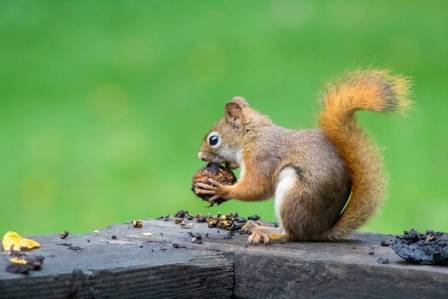
Squirrels are incredibly adaptable, energetic, and resilient animals. For people who live in or have spent time around Santa Clara Valley, these bushy-tailed rodents have likely created many memorable encounters. Although some people consider squirrels to be annoying pests, they actually play an essential role in maintaining healthy ecosystems. Learning more about their behaviors, intelligence, and relationships with other species can help us appreciate these often-overlooked animals.
Dylan Reed
Writer
Lounge note
Settle in — the full story and key updates are below.
Desk
Entertainment
Squirrels are incredibly adaptable, energetic, and resilient animals. For people who live in or have spent time around Santa Clara Valley, these bushy-tailed rodents have likely created many memorable encounters. Although some people consider squirrels to be annoying pests, they actually play an essential role in maintaining healthy ecosystems. Learning more about their behaviors, intelligence, and relationships with other species can help us appreciate these often-overlooked animals.
The Complex Social Behavior of Squirrels
Squirrels display many surprising behaviors that reveal a much more complicated social life than many people realize. Their communities share some interesting similarities with human societies. For example, stealing food is a common behavior among ground squirrels. Studies have shown that squirrels that have had their food stolen are more likely to steal from others in the future. Those that regularly steal also tend to become more cautious and watchful because they expect others to do the same.
Some squirrels even use clever tricks to protect their food supplies. When they feel threatened by competitors watching them, they may pretend to bury an acorn in one location while secretly storing it somewhere else. This false burial technique helps confuse potential thieves and protects their valuable food reserves.
How Squirrels Prepare for Winter
The squirrels living throughout Santa Clara Valley do not hibernate, but they have developed effective ways to survive colder months. As autumn arrives, species such as Western gray squirrels, Eastern gray squirrels, and fox squirrels begin collecting fallen acorns and storing them for future use.
These squirrels are known as “scatter hoarders.” Instead of keeping all their food in one place, they bury individual nuts and seeds across many different locations throughout their territory. This strategy allows them to return later and retrieve food whenever needed. It works especially well in oak woodland environments, where acorns are plentiful and the soil provides many hiding places.
Other squirrel species, including chickaree squirrels, use a different approach called “cache hoarding.” They store large amounts of food together in a single location. While this method can provide protection from snow and rain, it also creates a greater risk because losing one food supply means losing everything. Scatter hoarding is better suited for areas with milder climates, since squirrels can rely on many separate food caches instead of just one.
Squirrels as Forest Builders
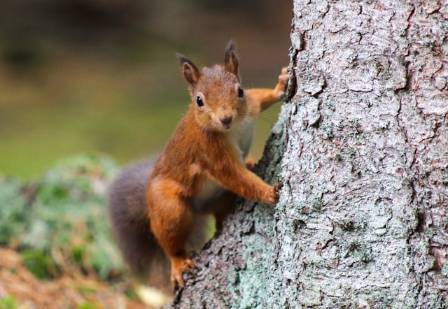
Although squirrels bury food to survive, their habits also benefit the environment. Scatter-hoarding squirrels hide seeds and acorns in many places, but they do not always remember where every cache is located. Forgotten acorns can eventually sprout and grow into new oak trees.
Because of this behavior, squirrels act as natural forest gardeners. Their forgotten food stores help spread plants and support forest regeneration, making them important contributors to the growth and renewal of woodland ecosystems.
Squirrels also play a role in the food chain. They provide an important source of nutrition for predators such as birds of prey and coyotes, helping maintain balance within local ecosystems.
Squirrels Help Create Homes for Other Animals
Ground squirrels contribute to ecosystems in another important way: their burrows provide shelter for other wildlife. After ground squirrels abandon their underground tunnels, animals such as burrowing owls can use these spaces as homes.
Burrowing owls depend on open landscapes with short vegetation, but these habitats are becoming increasingly limited because of expanding urban areas. In places like Coyote Valley, the presence of ground squirrels helps maintain suitable environments where these threatened birds can continue to live.
Natural Adaptations That Help Squirrels Survive
Ground squirrels possess remarkable abilities that allow them to survive in challenging environments. One of their most impressive adaptations is their resistance to rattlesnake venom. Through generations of living alongside rattlesnakes, these squirrels have developed a natural defense against snake bites.
Their relationship with rattlesnakes represents an evolutionary competition, where both species continue adapting to survive. Ground squirrels are not only able to tolerate venom, but some can also defend themselves against rattlesnake attacks, making them highly skilled survivors in their shared habitat.
Living Alongside Squirrels Responsibly
While squirrels are valuable parts of nature, it is understandable that people may become frustrated when they eat birdseed, dig through gardens, or damage plants. However, using rodent poisons should be avoided because these chemicals can harm many other animals, including birds of prey, bobcats, and household pets that may suffer from secondary poisoning.
There are safer ways to reduce unwanted squirrel activity around homes. For bird feeders, squirrel-resistant designs can help prevent access while still allowing birds to feed. For gardens, protective cages can shield young plants from being damaged.
Another effective approach is to encourage squirrels to use natural food sources instead. If oak trees or other native plants are nearby, keeping them healthy can provide squirrels with alternative food supplies and reduce their interest in gardens or decorative plants.
Squirrels are far more than simple backyard visitors. Their intelligence, survival strategies, and ecological contributions make them an important part of the natural world. By understanding their role in the environment, we can better appreciate these clever and resourceful animals.
More to explore

· en
Desk Buying Guide
Kate Fletcher

· en
8 Bold Ways to Master Punk Styling
Henry
· en
Most Beautiful Clownfish Species for Saltwater Tanks
Celine Brooks

· en
Evolution of Submersibles and Deep Sea Exploration Operations
Julian Marshall

· en
Oatmeal Yogurt Bowl with Fresh Berries
Victoria Blake
· en
6 Entertaining Qualities of Cats
Lily Sophia