← Back home3 min read
Feature story
Four Key Features of a Healthy Forest
When we picture a healthy forest, we often imagine a dense stand of trees — but the reality is far richer. According to Rick Kuyper of the Sacramento Fish & Wildlife Office, in partnership with the U.S. Fish & Wildlife Service, successful forest ecosystems share four core elements that support resilience, biodiversity and habitat value.
N
Nathan Scott
Writer
Lounge note
Settle in — the full story and key updates are below.
Desk
Entertainment
When we picture a healthy forest, we often imagine a dense stand of trees — but the reality is far richer. According to Rick Kuyper of the Sacramento Fish & Wildlife Office, in partnership with the U.S. Fish & Wildlife Service, successful forest ecosystems share four core elements that support resilience, biodiversity and habitat value.
1. Rich Biodiversity
A truly healthy forest supports a wide variety of life — not only trees, but shrubs, grasses, fungi and microorganisms. These living components form ecological networks that sustain prey and predator animals, pollinators, soils and the full water cycle. “We know forests are healthy when we see variety of young and old trees, many different tree species, shrubs, grasses and flowers.” says Kuyper.
A forest with high species diversity is generally more resistant to outbreaks of disease and large‑scale, high‑severity wildfires because its biological processes (nutrient exchange, decomposition, moisture retention) are intact.
2. A Variety of Habitats
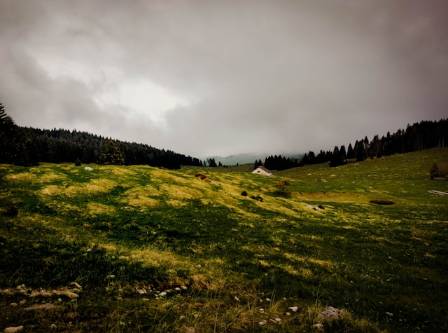
Healthy forests feature more than just trees of equal age aligned across the landscape. They include multiple habitat types: dense old‑growth stands, open meadows, wetlands and riparian zones, downed logs and snags, rocky outcrops, and transitional areas. For example, you might find an old‑growth grove where vertebrate predators nest, a riparian corridor along a creek for amphibians and beavers, and sun‑drenched openings that allow grasses and wildflowers to thrive. This mosaic of habitats supports far greater wildlife diversity than a uniform forest.
3. Trees of Different Sizes and Ages
One hallmark of forest health is structural diversity: the presence of seedlings, young saplings, mature trees, and standing deadwood or snags. A forest composed solely of old trees or only of saplings is not balanced; ideally you see a mix that ensures regeneration and resilience.
For example, if very few young trees are present, that might indicate poor regeneration due to soil degradation or environmental stress. Conversely, pockets of dying old trees may reveal pressures such as drought, pests (e.g., bark beetle outbreaks), or disease — all warning signs for forest health.
4. Clean Water
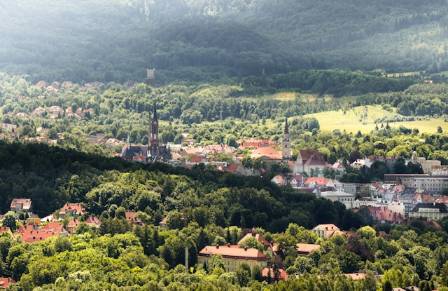
Forests are not just about trees — they are integral parts of the watershed. A healthy forest has strong vegetation including trees, shrubs and grasses with robust root systems that control erosion, filter sediments and ensure that streams, lakes and wetlands remain clean and clear.
When forest vegetation is sparse or soil is unstable, rainfall can wash sediment and ash into water bodies, harming aquatic ecosystems and reducing water quality for wildlife and people downstream. Mountain forests are often the origin of drinking‑water systems; maintaining forest health thereby supports both ecological and human communities.
What This Means for Forest Stewardship
Understanding these four elements offers a practical checklist for land managers, forest stewards and even recreational users:
Encourage species richness — protect native plant and animal diversity.
Promote structural and habitat diversity — preserve old growth and support regeneration.
Ensure regeneration by monitoring age classes and seedling/sapling growth.
Safeguard water quality by maintaining vegetation buffers, controlling erosion and protecting riparian zones.
In doing so, we help forests remain resilient against disease, fire, climate‑change impacts and habitat loss — ensuring they continue to provide clean air, safe shelter for wildlife, stable soils, and water for all living systems.
More to explore

· en
Cooking for One: Budae Jjigae (Korean Army Stew)
Brandon

· en
Fascinating Meerkat Facts: Insights into These Unique Mammals
Zoe Hughes
· en
A Story You Must Know About The Vermilion Bird
Betty Martin

· en
The Cuomo Bridge A Landmark Rising Over the Hudson
Liora Ashford
· en
Tusks and Horns: The World of Elephants and Rhinos
Jason Mitchell
· en
Exploring the Unique World of Elephant-Created Artworks
Augustus Wilder