Feature story
What is Snowboarding?
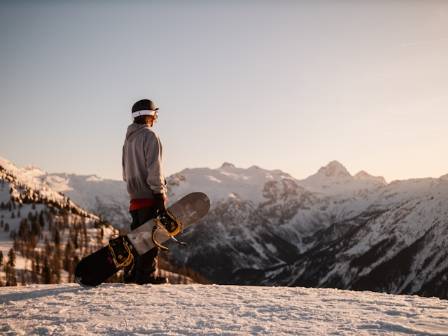
Snowboarding is a winter sport in which a rider travels down snow-covered slopes while standing on a board that is strapped to their feet using specialized boots and bindings. The sport draws inspiration from skateboarding, surfing, sledding, and skiing. It originated in the United States during the 1960s and 1970s and was officially added to the Winter Olympic Games in 1998.
Ronan Frost
Writer
Lounge note
Settle in — the full story and key updates are below.
Desk
Entertainment
Snowboarding is a winter sport in which a rider travels down snow-covered slopes while standing on a board that is strapped to their feet using specialized boots and bindings. The sport draws inspiration from skateboarding, surfing, sledding, and skiing. It originated in the United States during the 1960s and 1970s and was officially added to the Winter Olympic Games in 1998.
However, the roots of snowboarding go back even further. As early as the 1920s, people—often children and teenagers—experimented by fastening wooden boards or planks to their feet using rope, cloth strips, or even reins, allowing them to slide down snowy hills. The modern version of the sport began in 1965 when Sherman Poppen, an engineer from Muskegon, Michigan, created a toy for his daughter by joining two skis together and attaching a rope to help her steer while gliding downhill.
Main Styles of Snowboarding
Freeride
Freeride snowboarding focuses on natural terrain and unrestricted downhill exploration. Riders choose their own path across mountains, cliffs, and open snowfields. This style is often associated with big mountain riding, but it can also include creative use of natural terrain features combined with freestyle techniques. Because it often takes place in remote mountain areas, freeriding can be affected by environmental risks such as avalanches, hidden drops, and deep crevasses.
Freestyle
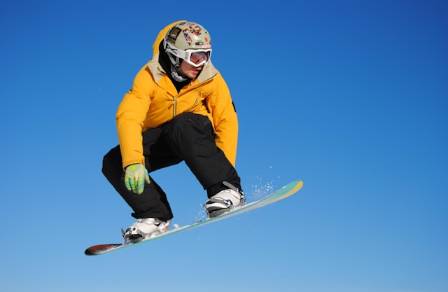
Freestyle snowboarding covers all forms of riding that involve tricks and creative movement. This includes terrain parks, backcountry features, and even urban environments. Riders perform jumps, spins, rails, and other tricks using both natural and built features. Freestyle continues to grow in popularity as riders push the limits of creativity and technical ability, with its progression mainly shaped by imagination and innovation.
Urban Riding
Urban snowboarding takes place in city or man-made environments rather than ski resorts. Riders use everyday structures such as stairs, railings, ledges, rooftops, and parking garages as obstacles. This style has become increasingly popular because it allows snowboarders to practice outside traditional mountain settings. It is often seen as one of the most accessible and creative forms of snowboarding, especially among younger riders, and continues to expand as filming and street riding culture grow.
Halfpipe
Halfpipe snowboarding involves performing aerial tricks while riding inside a large U-shaped snow structure. This discipline became widely known through the Winter Olympics and is inspired by skateboard vert ramps. Early versions used natural snow formations, but modern halfpipes are carefully engineered using grooming machines and specialized equipment. Today’s pipes allow riders to gain speed, achieve greater height, and perform more complex tricks. However, the high cost and effort required to build and maintain halfpipes can limit their availability.
Boardercross and Racing
This category includes timed and head-to-head racing formats such as slalom, giant slalom, and boardercross. Boardercross features multiple riders racing simultaneously down a course filled with jumps, turns, and obstacles, similar in concept to BMX racing. Slalom events focus on speed and precision as athletes navigate through a series of gates. While this discipline remains part of the Olympic program, it faces challenges in attracting younger participants compared to more freestyle-oriented forms of snowboarding.
More to explore

· en
Reasons to Grow Spider Plants
Elara Hayes
· en
Macaws: The Colorful Parrots of the Rain Forest
Veya Collins

· en
8 Bold Ways to Master Punk Styling
Henry
· en
Things we love about lemurs!
Freya Lennox
· en
What Makes a Car a Classic, Vintage or Antique?
Lucas Anderson

· en
World's biggest microscope to peer into the Big Bang
Lucan Briar