Feature story
Wandering Dubrovnik’s City Walls
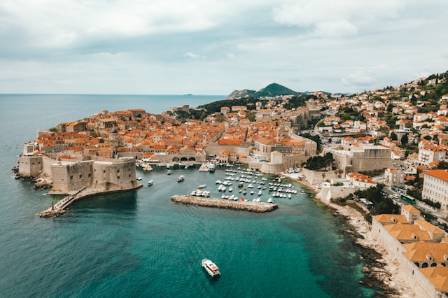
Located at the southern edge of Croatia’s coastline, Dubrovnik is the most famous and frequently visited destination along the Adriatic coast. With its breathtaking scenery, historic charm, and timeless atmosphere, it is easy to understand why this remarkable city has earned the nickname “the Pearl of the Adriatic.”
Freya Caldwell
Writer
Lounge note
Settle in — the full story and key updates are below.
Desk
Entertainment
Located at the southern edge of Croatia’s coastline, Dubrovnik is the most famous and frequently visited destination along the Adriatic coast. With its breathtaking scenery, historic charm, and timeless atmosphere, it is easy to understand why this remarkable city has earned the nickname “the Pearl of the Adriatic.”
Whether viewed from the land or approached from the sea, Dubrovnik’s beauty immediately captures the imagination. Its ancient stone buildings, sparkling waters, and preserved medieval character create a scene that feels like stepping into another era.
The Charm of Dubrovnik’s Old Town
Although Dubrovnik’s museums may not be the main reason travelers visit, the city itself is an attraction that is difficult to leave behind. The true magic lies in the Old Town, where history blends with a relaxed coastal lifestyle.
The city offers a wonderful atmosphere for all generations. Locals and visitors gather in the streets, enjoying leisurely walks, outdoor cafés, and refreshing swims in the Adriatic Sea. It is a place where everyday life feels slower, warmer, and more connected.
Walking Along the Ancient City Walls
For many visitors, Dubrovnik’s most unforgettable experience is walking along the impressive medieval walls surrounding the city. These fortifications provide a spectacular one-mile route with incredible views over both the town and the sea.
Although the walls were constructed over several centuries, much of the current structure dates back to the 15th century, when they were strengthened to protect the city from possible Ottoman attacks.
Climbing the steep steps to the top of the walls, visitors can begin a circular walk around one of Europe’s best-preserved medieval cities. The views constantly change throughout the journey: on one side are endless rows of terracotta rooftops, while on the other is the deep blue Adriatic stretching toward the horizon.
Exploring the Heart of the Old Town
Near the Pile Gate entrance, the walls offer an excellent view of Stradun, Dubrovnik’s famous central street. This 300-meter-long promenade runs through the middle of the Old Town and has been the city’s main gathering place for centuries.
During medieval times, merchants filled this street with their shops. Before that, the area was actually a canal separating different parts of the city.
Today, Stradun remains Dubrovnik’s busiest and most lively avenue. During the day, it resembles an elegant historic shopping street, while at night it transforms into a vibrant outdoor social scene filled with restaurants, cafés, and visitors enjoying drinks.
Buža: A Hidden Seaside Escape
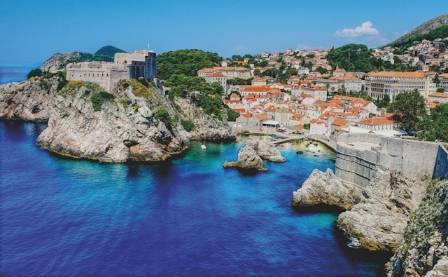
Continuing along the city walls, visitors can discover one of Dubrovnik’s most charming hidden corners. Below the walls sits a peaceful stone terrace overlooking the sea, tucked against the outside of the old fortifications.
Known as Buža, which means “hole in the wall,” this rustic seaside bar can only be reached by climbing through an opening in the ancient walls.
With white umbrellas providing shade, simple drinks served in plastic cups, and breathtaking views of the coastline, Buža offers a relaxed atmosphere reminiscent of a quiet island retreat. Its laid-back setting and unforgettable scenery make it one of Dubrovnik’s most enjoyable escapes.
The History Hidden Among the Rooftops
Looking across Dubrovnik from the city walls, visitors see a beautiful patchwork of red rooftops in different shades. However, these rooftops also tell a story of conflict and recovery.
After Croatia declared independence from Yugoslavia in 1991, Dubrovnik experienced a devastating siege by the Yugoslav National Army. Bomb attacks damaged many historic buildings throughout the city.
The newer, brighter roof tiles visible among the older ones mark homes that were destroyed and later rebuilt. More than two-thirds of the Old Town’s buildings suffered damage during the conflict, leaving a lasting reminder of the city’s difficult past.
Stories of Survival and Renewal
The history of Dubrovnik is not only found in monuments but also in the experiences of its residents.
One example is Pero, a local bed-and-breakfast owner who spent years restoring his damaged Old Town home after the war. He transformed the ruins of his childhood house into a welcoming guesthouse.
When sharing his story, Pero showed a damaged mortar shell recovered from the attack. Holding it proudly, he described how the beautiful stone-and-wood house where he grew up had been hit directly during the siege. The piece became a symbol of survival and personal triumph over destruction.
Visiting Dubrovnik Beyond the Crowds
Today, Dubrovnik welcomes far more visitors than before the war, and its greatest challenge is now its popularity. Large numbers of tourists, especially cruise passengers, can make the city extremely crowded.
To experience a quieter side of Dubrovnik, it is best to explore early in the morning or later in the afternoon after many day visitors have left. If possible, avoid walking the city walls when several cruise ships arrive at the same time.
Starting a wall walk around 8 a.m. or shortly before 5 p.m. can help avoid both heavy crowds and the strongest afternoon heat. Away from the busiest streets, visitors can still discover peaceful alleys, hanging laundry, and authentic corners of local life.
Finding the Real Dubrovnik
Because many residents have moved away from the Old Town due to rising costs, the historic center can sometimes appear like a beautiful but overly polished tourist attraction.
However, those who take time to explore more deeply will discover that Dubrovnik still has a strong local identity and community spirit. Speaking with residents, hosts, and shopkeepers can reveal personal stories and perspectives that add meaning beyond the city’s famous views.
A conversation with a local often provides a richer understanding of Dubrovnik than any photograph can capture.
A City That Has Found Its Energy Again
When arriving in Dubrovnik, many visitors are welcomed with local traditions and hospitality. One memorable example is Pero sharing a homemade bottle of orahovica, a traditional walnut liqueur still commonly prepared in parts of the former Yugoslavia.
After pouring a glass, he joked that the drink would “restore your energy.” In many ways, Dubrovnik itself has experienced a similar revival.
After centuries of challenges, including war and destruction, the city has regained its vitality. Today, Dubrovnik stands as a place where history, resilience, beauty, and everyday life continue to exist together.
More to explore

· en
Incredible and Surprising Facts About Australian Kangaroos
Baxter Alexander

· en
Fruits to Eat When You Have Cancer: Nutritional Support, Symptom Relief & Potential Benefits
Hazel

· en
The Case for Violets: Sorely Misunderstood “weeds”
Mara Sterling

· en
Indoor Plants: A Year-Round Source of Wellness
Olivia Bennett

· en
The Secret Life of Hermit Crabs
Kellan Voss

· en
Fascinating Meerkat Facts: Insights into These Unique Mammals
Zoe Hughes