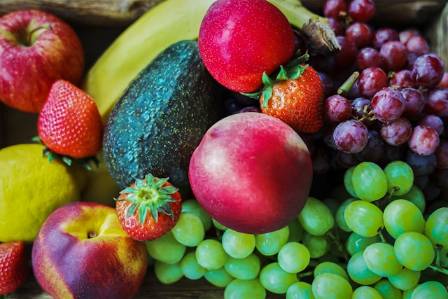
A diet rich in fruits and vegetables is universally recognized as a cornerstone of overall health, but for those navigating cancer treatment or seeking to reduce recurrence risk, the role of specific fruits becomes even more meaningful. While no single food—including fruit—can prevent, cure, or directly “fight” cancer, certain fruits are packed with nutrients, antioxidants, and plant compounds that may support the body during treatment, ease uncomfortable side effects, and contribute to long-term wellness. The research linking fruits to cancer outcomes is still evolving, with many studies yielding inconsistent results due to factors like varying study designs, population differences, and the complexity of cancer itself. However, emerging evidence highlights that fruits offer tangible benefits: they provide essential vitamins, minerals, and fiber that strengthen the immune system, support tissue repair, and help manage treatment-related symptoms such as nausea, constipation, and loss of appetite. Below, we explore how to choose fruits strategically during cancer treatment, examine fruits with promising potential for cancer support, and share practical tips for incorporating them into your diet.
The Role of Fruits During Cancer Treatment: Nutrition & Symptom Relief
Cancer treatment—whether chemotherapy, radiation, surgery, or immunotherapy—can take a toll on the body, depleting nutrients, disrupting digestion, and causing a range of side effects. Fruits play a dual role during this time: they deliver critical nutrients (like vitamin C, vitamin A, and potassium) that fuel the body’s healing processes, and many can be tailored to alleviate specific symptoms. Experts recommend selecting fruits based on your current needs, as tolerance can vary widely depending on treatment type and individual response:
-
For nausea and vomiting: Opt for soft, mild-tasting fruits that are easy to digest, such as canned peaches (in water or 100% juice), applesauce, ripe bananas, or mashed papaya. These fruits are gentle on the stomach and less likely to trigger queasiness than acidic or strongly flavored options.
-
For constipation: Choose high-fiber fruits to stimulate bowel movements, including raw apples (with skin), pears, berries, and dried fruits like prunes, raisins, or dried apricots. Prune juice is particularly effective, as it contains sorbitol (a natural laxative) and fiber that softens stool.
-
For diarrhea: Stick to low-fiber, binding fruits that help firm stool, such as bananas (rich in potassium to replace electrolytes lost through diarrhea), applesauce, and strained apple juice. These align with the BRAT diet (bananas, rice, applesauce, toast), a traditional approach to managing digestive upset.
-
For loss of appetite: Prioritize calorie-dense, nutrient-packed fruits to maximize intake without overwhelming the stomach. Dried fruits (which concentrate calories and nutrients), fruit smoothies (blended with yogurt or nut butter for added protein and healthy fats), and ripe mangoes or avocados (naturally higher in healthy fats) are excellent choices.
-
For mouth sores or difficulty swallowing: Select soft, liquid or semi-liquid fruits to avoid irritating sensitive tissues. Nectars (pear, peach, or apricot), strained fruit juices, applesauce, and mashed bananas are gentle and easy to consume. Avoid acidic fruits like oranges or grapefruits, which may sting open sores.
Citrus Fruits: Vitamin C, Flavonoids & Potential Cancer Prevention
Citrus fruits—including oranges, grapefruits, tangerines, lemons, and limes—are celebrated for their high vitamin C content, but they also contain a wealth of flavonoids (plant compounds with antioxidant and anti-inflammatory properties) that may offer cancer-related benefits. A large population study in Japan, published in the Journal of Epidemiology, found that individuals who consumed citrus fruits or juices 3–4 days per week had a lower overall cancer risk compared to those who ate them 2 or fewer days per week. While research is not definitive, citrus fruits have been linked to reduced risk of several types of cancer, including digestive tract cancers (colon, stomach), respiratory tract cancers (lung), pancreatic cancer, prostate cancer, breast cancer, nasopharyngeal cancer (a type of head and neck cancer), and cutaneous melanoma. Vitamin C, a potent antioxidant, helps protect cells from oxidative damage caused by free radicals—damage that can contribute to cancer development. Flavonoids like hesperidin and naringin, found in citrus peels and flesh, have been shown in laboratory studies to inhibit the growth of cancer cells and reduce inflammation, a key driver of cancer progression. For cancer patients, citrus fruits can be enjoyed in moderation (to avoid stomach upset from acidity) as fresh slices, squeezed juice (diluted with water), or added to smoothies with other mild fruits.
Apples & Other “White” Fruits: Polysaccharides, Quercetin & Digestive Health
Apples are often hailed as a “superfood,” and their potential cancer-related benefits are supported by a meta-analysis published in the British Journal of Nutrition, which aggregated data from dozens of studies and found a link between apple consumption and reduced cancer risk—particularly for lung cancer. Apples may also offer protection against breast cancer, colorectal cancer, and other digestive tract cancers. This benefit is attributed to two key compounds: polysaccharides (a type of complex carbohydrate that supports immune function and may inhibit cancer cell growth) and quercetin (a flavonoid with antioxidant and anti-inflammatory properties that has been shown to induce apoptosis, or programmed cell death, in cancer cells). Apples are also part of the “white fruit” category, which includes pears, bananas, mushrooms, and onions—all of which were linked to a reduced risk of colorectal cancer in a study published in The American Journal of Clinical Nutrition. The flesh of apples and pears is pale, hence the “white” classification, and their fiber content (especially in the skin) supports gut health by feeding beneficial bacteria, which plays a role in immune function and cancer prevention. For cancer patients, apples are versatile: enjoy them raw (with skin for maximum fiber), cooked into applesauce, or blended into smoothies. Pears can be eaten ripe or poached for a soft, comforting treat.
Green Fruits: Antioxidants, Gut Health & Colorectal Cancer Protection
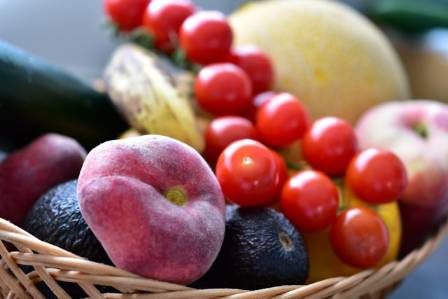
Green fruits—such as kiwifruit, honeydew melon, green grapes, and avocados (though often classified as a fruit, avocados are high in healthy fats)—offer unique nutrients that may support cancer prevention and treatment. A study published in The American Journal of Clinical Nutrition, which examined the impact of fruit and vegetable colors on cancer risk, found that green fruits and vegetables were associated with a reduced risk of colorectal cancer. Kiwifruit, in particular, has garnered attention for its potential cancer-fighting properties: it is rich in vitamin C, vitamin E, and antioxidants like lutein and zeaxanthin, which protect cells from oxidative stress. Additionally, kiwifruit contains a unique enzyme called actinidin, which aids in protein digestion and supports gut health—a critical factor for cancer patients, as treatment can disrupt gut microbiomes. Honeydew melon, with its high water content and vitamin C, is hydrating and gentle on the digestive system, making it a good choice for patients experiencing nausea or mouth sores. Green grapes contain resveratrol, a polyphenol that has been studied for its ability to inhibit cancer cell proliferation and reduce inflammation. When incorporating green fruits into your diet, opt for ripe, fresh options: kiwifruit can be sliced and added to fruit salads, honeydew can be cubed for a refreshing snack, and green grapes can be frozen for a cool, soothing treat during radiation therapy.
Dried Fruits: Concentrated Nutrients & Cancer Risk Reduction
Dried fruits—such as prunes, raisins, dried apricots, and dried cranberries—are nutrient powerhouses, as the drying process concentrates their vitamins, minerals, and fiber. Research suggests that regular consumption of dried fruits may help reduce the risk of certain cancers and slow disease progression. A study published in Cancer Epidemiology, Biomarkers & Prevention found that eating 3–5 servings of dried fruits per week was associated with a lower risk of colorectal polyps (non-cancerous growths that can develop into cancer over time), prostate cancer, death from pancreatic cancer, and stomach cancer. Prunes, in particular, are rich in fiber, sorbitol, and antioxidants like phenols, which support digestive health and may inhibit cancer cell growth. Raisins contain resveratrol (also found in red wine and grapes) and catechins, antioxidants that have been linked to reduced inflammation and cancer risk. For cancer patients, dried fruits are a convenient, calorie-dense snack that can help address loss of appetite and nutrient deficiencies. However, it’s important to choose unsweetened dried fruits (avoid those with added sugars or sulfites) and consume them in moderation, as they are high in natural sugars and can cause bloating or diarrhea if eaten in large quantities. Pair dried fruits with nuts or plain yogurt for a balanced snack.
Other Fruits With Promising Cancer-Related Benefits
Beyond the categories above, several other fruits contain plant compounds that are being studied for their potential role in cancer prevention and support:
-
Pineapples: Rich in bromelain, a mixture of enzymes with anti-inflammatory properties. Bromelain has been shown to reduce swelling and pain associated with cancer treatment and may enhance the effectiveness of certain chemotherapy drugs by breaking down proteins that protect cancer cells. Pineapples are also high in vitamin C and fiber.
-
Orange and Yellow Fruits (Carotenoid-Rich): Fruits like mangoes, papayas, apricots, and cantaloupe are packed with carotenoids—plant pigments that the body converts into vitamin A. Carotenoids like beta-carotene and lycopene have antioxidant properties and have been linked to reduced risk of lung, breast, and prostate cancer.
-
Pomegranates: Contain punicalagins and ellagic acid, powerful antioxidants that have been studied for their ability to inhibit cancer cell growth and reduce inflammation. Pomegranate juice may also help protect against oxidative damage to DNA, a key step in cancer development.
It’s important to note that research on these compounds is still in its early stages, and human studies are limited. However, these fruits are nutrient-dense and high in fiber, which supports overall health, weight management, and digestive function—all critical for cancer patients and survivors.
Practical Tips for Incorporating Fruits Into a Cancer-Friendly Diet
When adding fruits to your diet during cancer treatment or recovery, keep these tips in mind to maximize benefits and minimize discomfort:
-
Prioritize fresh or frozen: Fresh fruits are ideal, but frozen fruits (without added sugars or syrups) are a convenient alternative and retain most nutrients. Avoid canned fruits packed in heavy syrup, as they are high in added sugars.
-
Wash thoroughly: Cancer treatment can weaken the immune system, so it’s essential to wash fresh fruits under running water to remove bacteria, pesticides, or dirt. For fruits with thick skins (like oranges or melons), scrub the skin gently before peeling or cutting.
-
Experiment with preparation: If raw fruit is hard to digest, try cooking it (steamed pears, baked apples) or blending it into smoothies. Add nut butter, Greek yogurt, or oats to smoothies for extra protein and healthy fats.
-
Listen to your body: Tolerance varies—if a fruit causes stomach upset, mouth sores, or other discomfort, avoid it and try something else. Acidic fruits like citrus or pineapples may be better tolerated when eaten in small amounts or with other foods.
-
Aim for variety: No single fruit provides all the nutrients you need. Mix and match different colors and types of fruits to ensure you’re getting a wide range of vitamins, minerals, and plant compounds.
Conclusion: Fruits as Part of a Holistic Cancer Care Plan
Fruits are a valuable component of a holistic approach to cancer care, offering nutritional support, symptom relief, and potential long-term benefits. While they cannot replace conventional cancer treatment, their rich nutrient profiles—including antioxidants, fiber, vitamins, and minerals—help strengthen the body, support healing, and improve quality of life during and after treatment. The key is to choose fruits strategically based on your symptoms and preferences, prioritize whole, unprocessed options, and incorporate them into a balanced diet that includes vegetables, whole grains, lean proteins, and healthy fats. It’s also important to consult with a registered dietitian or healthcare provider before making significant dietary changes, as they can tailor recommendations to your specific treatment plan, nutritional needs, and any underlying conditions. By embracing fruits as part of your care journey, you’re taking a proactive step toward supporting your body and promoting overall wellness.