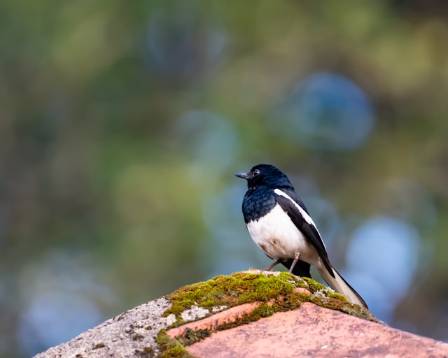
Feature story
Fascinating Insights into the Australian Magpie
The Australian magpie is a singular and iconic bird that holds a special place in the hearts of people across the continent. Easily recognized by their bold black-and-white plumage, these birds are celebrated for their complex, flute-like melodies and their remarkably playful demeanor. Whether they are seen foraging in a local park, a quiet suburban backyard, or a bustling city street, magpies are a constant and beloved presence in Australian life.
Lily Ward
Writer
Lounge note
Settle in — the full story and key updates are below.
Desk
Entertainment
The Australian magpie is a singular and iconic bird that holds a special place in the hearts of people across the continent. Easily recognized by their bold black-and-white plumage, these birds are celebrated for their complex, flute-like melodies and their remarkably playful demeanor. Whether they are seen foraging in a local park, a quiet suburban backyard, or a bustling city street, magpies are a constant and beloved presence in Australian life.
Beyond their physical presence, these birds are deeply embedded in the nation's culture, appearing frequently in folklore, music, and literature as symbols of intelligence and independence. With social behaviors that often mirror human interactions—such as protecting their families, imitating their neighbors, and forming long-term bonds—the Australian magpie is a creature of surprising depth and unpredictability.
Distinguishing the Species
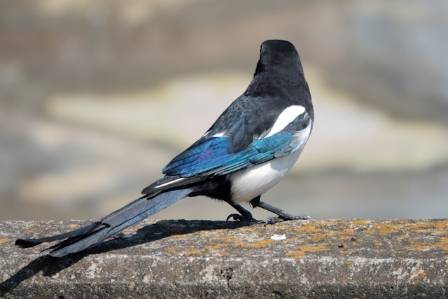
A common misconception is that Australian magpies are members of the crow family. While both birds possess black-and-white feathers and high levels of intelligence, they are not closely related. Crows belong to the Corvidae family, whereas the Australian magpie is a member of the Artamidae family. Their physical structures also differ; crows are generally larger and entirely black, while magpies are defined by their stark white patches.
It is also important to differentiate them from the magpies found in Europe. Although they share a name, the Australian variety is larger with a much shorter tail than its European counterpart. Furthermore, the Australian magpie is renowned for a vocal range that can span four octaves and include the mimicry of over 30 other bird species, as well as various non-avian sounds—a musical complexity not found in other magpie species.
Habitat and Survival Adaptations
The Australian magpie is highly adaptable and can be found across most of the continent, with the exception of the most arid internal deserts and certain parts of Tasmania. They prefer open grasslands adjacent to tall trees, which provide the perfect combination of clear foraging ground and safe nesting sites. Interestingly, human development has often benefited the species; parks, gardens, and golf courses provide ideal "man-made" habitats where they can thrive in close proximity to people.
To survive in these environments, magpies have evolved several key physical traits. They stand approximately 40 centimeters tall and possess a wingspan of up to 85 centimeters. Their powerful legs and sharp, agile beaks make them formidable foragers and defenders. While their plumage is primarily black and white, the specific patterns can vary between individuals and age groups, with younger birds typically displaying more brownish or greyish tones before reaching maturity.
Communication and Social Intelligence
One of the most striking characteristics of the Australian magpie is its social intelligence. They are capable of recognizing at least 100 different human faces and can remember them for several years. This allows them to distinguish between humans who pose a threat and those who are friendly.
Their communication is equally sophisticated. Their songs are not merely for aesthetic pleasure; they serve as a complex language used to signal territorial boundaries, warn of predators, or coordinate with family members. They are even known to mimic the sounds of other animals, such as dogs barking or horses neighing, showcasing a level of cognitive flexibility that fascinates scientists and casual observers alike.
Diet and Foraging Tactics
As opportunistic omnivores, Australian magpies have a highly varied diet. They consume a wide range of insects, larvae, small reptiles, seeds, and occasionally the eggs of other birds. They have developed a unique hunting technique for finding underground prey: they are often seen tilting their heads to one side, listening intently for the sound of worms or grubs moving beneath the soil before precisely striking with their beaks.
Social Structure and Family Life
Magpies are intensely social birds that live in complex groups, often referred to as a "tidings." These groups, which can include up to two dozen individuals, work together to defend a shared territory. Within these groups, magpies often form lifelong pair bonds.
Their commitment to family is exceptional. Both parents are deeply involved in rearing their young. If a male disappears, a new male may join the group and take over the protection and feeding of the existing chicks, even if they are not his biological offspring. This communal approach to survival ensures that the next generation has the best possible chance of reaching independence.
Dealing with Seasonal Aggression
While magpies are generally docile and coexist peacefully with humans, they are famous for their "swooping" behavior during the spring nesting season. This is a purely defensive action taken by males to protect their vulnerable chicks from perceived intruders. During this short window of time, they may dive toward cyclists or pedestrians who venture too close to their nests. However, for the majority of the year, they remain friendly neighbors who prefer to live harmoniously alongside human residents.
Cultural Significance
The Australian magpie is more than just a common bird; it is a national icon. Its intelligence and charismatic personality have made it a favorite subject in Australian art and a symbol of the country’s unique wilderness. By observing their complex family lives and their ability to navigate human-dominated landscapes, we gain a deeper appreciation for the rich biodiversity that defines the Australian environment.
More to explore

· en
The Most Breathtaking Coastal Scenery in the World: Must-Visit Ocean Destinations
Merry

· en
A Comprehensive Guide to Hand-Sewing Miniature Felt Creatures
George White

· en
The world’s most realistic humanoid robots ever
Vincent Hale

· en
Mastering Cyclamen Care for Lasting Winter Blooms
James Michael Carter
· en
The Hidden Meanings Behind Red Plum Blossoms
Eamon Vale

· en
The Past, Present and Future of Red Rock
Helena Fairfax