← Back home3 min read

Feature story
The Horned Grebe: An Aquatic Specialist
The Horned Grebe (Podiceps auritus) represents one of nature's most elegant aquatic specialists, demonstrating remarkable adaptations for life in freshwater and marine environments. This distinctive waterbird faces significant conservation challenges while maintaining fascinating behavioral patterns that have captivated ornithologists for decades.
M
Michael Reynolds
Writer
Lounge note
Settle in — the full story and key updates are below.
Desk
Entertainment
The Horned Grebe (Podiceps auritus) represents one of nature's most elegant aquatic specialists, demonstrating remarkable adaptations for life in freshwater and marine environments. This distinctive waterbird faces significant conservation challenges while maintaining fascinating behavioral patterns that have captivated ornithologists for decades.
Preferred Aquatic Environments
During breeding season, Horned Grebes establish territories on shallow freshwater ponds rich with emergent vegetation like rushes, sedges, and reeds. They readily adapt to human-modified water bodies, including industrial excavation sites that have filled with water, provided adequate vegetation exists. Migratory individuals utilize various aquatic habitats, from rivers to larger water bodies that permit their characteristic takeoff patterns. Winter brings interesting behavioral adaptations, with some populations remaining stationary while others track mobile food sources. Occasionally, these birds mistakenly land on roadways or parking lots during severe weather, creating dangerous situations as they struggle to become airborne from solid surfaces.
Diverse Dietary Habits
These proficient divers maintain a varied diet that shifts with seasonal availability. Breeding populations consume small fish, amphibians, crustaceans, and numerous aquatic insects, capturing prey through skilled diving maneuvers and surface foraging. Their hunting techniques include underwater pursuit, aerial insect interception, and surface gleaning from floating vegetation. Wintering birds transition toward crustaceans and marine worms in saltwater habitats. Remarkably, large flocks sometimes coordinate synchronized diving patterns, potentially enhancing their foraging efficiency through cooperative behavior.
Unique Reproductive Strategies
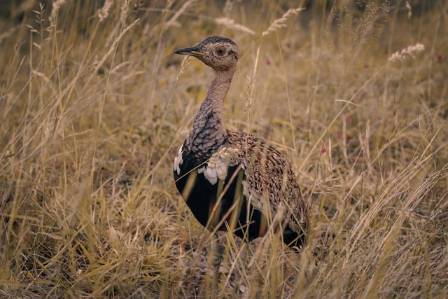
Nesting Characteristics
Mated pairs collaboratively select nest locations within shoreline vegetation, constructing floating platforms from accumulated aquatic plants. These nests typically rise several inches above water level and may be anchored to emergent vegetation or pond bottoms. Additionally, pairs build separate platforms exclusively for mating purposes.
Reproductive Data
-
Typical Clutch Size: 3-8 eggs
-
Annual Broods: Single brood
-
Incubation Duration: 23-24 days
-
Egg Dimensions: Approximately 1.7 x 1.2 inches
-
Egg Coloration: White to brownish or bluish-green
-
Chick Development: Down-covered and mobile at hatching
Complex Social Behavior
Horned Grebes typically form monogamous pairs that may reunite across multiple seasons. Their intricate courtship rituals include synchronized swimming, vegetation presentations, and distinctive head movements that strengthen pair bonds. Both parents share incubation duties and frequently exchange food during nest relief. After hatching, adults sometimes divide their brood, with each parent caring for specific offspring. The young achieve independence around four weeks, after which adult pairs may separate.
Conservation Status and Threats
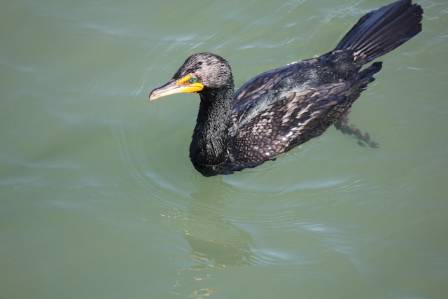
Current conservation assessments classify the Horned Grebe as a Yellow Alert Tipping Point species, indicating significant population declines exceeding 50% over the past half-century. Monitoring challenges exist because much of their breeding range extends beyond standard survey areas. Available data suggests an annual decline of approximately 1.9% since 1967, resulting in an overall population reduction of about 66%.
-
Accidental drowning in fishing gear
-
Water contamination from pollutants
-
Vulnerability to oil spills
-
Habitat degradation in breeding areas
With an estimated global breeding population of 620,000 individuals, continued conservation efforts remain crucial for this species' long-term survival. Their situation highlights the importance of protecting both breeding and wintering habitats across their extensive range.
More to explore

· en
Wheat Growing Regions in the Northwest
Nolan Mercer

· en
The Art of Modern Washū: 9 Architect-Designed Living Rooms & Key Elements of Elevated Style
Daisy Chapman

· en
Master the Art of Pen and Ink: A Guide to Drawing Snow-Capped Mountains
Archer Beaumont

· en
10 Fun Facts About Kanazawa
Sophia Turner

· en
Your Guide to the Perfect Cold Espresso
Nathaniel Stone

· en
Meet the Animal Park's Fennec Foxes
Kaelen Frost