Feature story
The Remarkable Benefits Of Cultivating Crabapple Trees
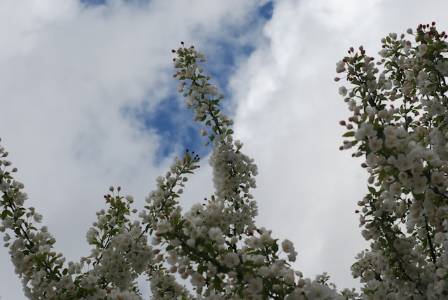
Crabapple trees produce small fruits that generally measure under two inches in diameter, yet they offer an enormous array of benefits for both the home gardener and the local ecosystem. These versatile trees serve as exceptional pollinators for other orchard fruits, provide crucial winter food sources for wildlife, and yield tart fruits that are perfect for flavoring homemade ciders and crafting vibrant jellies. Imagine the visual appeal of a yard filled with these trees in full spring bloom. The intoxicating fragrance and the visual spectacle of petals falling like snow create a magical atmosphere that draws you outdoors. Beyond their aesthetic value, they offer practical benefits like harvesting deep red fruits for culinary uses. They are the perfect solution for gardeners who want to maximize both beauty and utility in a limited space, transforming an ordinary landscape into a thriving, multi-seasonal sanctuary.
Christopher John Taylor
Writer
Lounge note
Settle in — the full story and key updates are below.
Desk
Entertainment
Crabapple trees produce small fruits that generally measure under two inches in diameter, yet they offer an enormous array of benefits for both the home gardener and the local ecosystem. These versatile trees serve as exceptional pollinators for other orchard fruits, provide crucial winter food sources for wildlife, and yield tart fruits that are perfect for flavoring homemade ciders and crafting vibrant jellies. Imagine the visual appeal of a yard filled with these trees in full spring bloom. The intoxicating fragrance and the visual spectacle of petals falling like snow create a magical atmosphere that draws you outdoors. Beyond their aesthetic value, they offer practical benefits like harvesting deep red fruits for culinary uses. They are the perfect solution for gardeners who want to maximize both beauty and utility in a limited space, transforming an ordinary landscape into a thriving, multi-seasonal sanctuary.
Defining The Unique Characteristics Of Crabapple Varieties
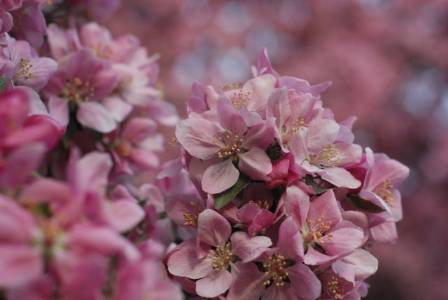
To understand these trees, one must know that any tree in the Malus genus yielding fruit measuring less than two inches across is classified as a crabapple. These trees exhibit tremendous diversity in their physical structure and mature dimensions. You can find varieties that grow into wide, spreading canopies, elegant vase shapes, graceful weeping forms, or compact, rounded dwarfs. The floral display is equally diverse, featuring profuse blooms in shades of pure white, soft pink, vibrant orange, deep red, and rich purplish hues. The flowers themselves might be simple and delicate or fully doubled, resembling miniature roses in a bouquet. The fruit quality also varies significantly, ranging from incredibly sweet and flavorful varieties suitable for fresh eating and cooking to those primarily grown for ornamental appeal and wildlife forage.
Selecting The Perfect Tree For Your Specific Landscape Needs
Choosing the right tree begins with evaluating your specific goals and environmental conditions. You must decide whether your primary focus is ornamental beauty, attracting local bird populations, harvesting edible fruit, or providing a reliable pollinator for an existing apple orchard. Consider the physical space available, the desired mature shape of the tree, and whether a strong floral fragrance is important to you. There are countless varieties available, each offering unique traits. For instance, the Dolgo variety is a large spreading type that produces excellent red fruit ideal for making vibrant jellies, while the Brandywine offers late-blooming, highly fragrant double pink blossoms. The Donald Wyman is a medium-sized tree with wide-spreading canopies and pink buds that open into large white flowers, holding their small red fruit well into the winter. If you prefer striking foliage, the Royalty variety offers deep red leaves and single red flowers. For smaller spaces, the compact Guinevere tree provides long-lasting mauve and white blooms with dark purplish-green leaves. The Sargent tree grows wide and hedge-like with fragrant white flowers, and the Chestnut is a tall semi-weeper producing exceptionally sweet fruit. Finally, the Red Jade is a graceful weeping variety with branches that cascade all the way to the ground, eventually allowing you to place seating underneath the canopy.
Preparing The Ideal Site And Soil For Optimal Growth
Successfully establishing these trees requires careful attention to site selection and soil preparation. They require a location that receives full sunlight for at least six to eight hours daily to ensure vigorous growth and abundant flowering. The chosen site must have excellent air drainage to minimize the risk of foliar diseases and protect the delicate flower buds from late spring frosts. Deep, well-drained soil is absolutely essential. You should avoid areas where solid bedrock is close to the surface, as this restricts root anchorage and causes the ground to dry out too rapidly. While they can adapt to various soil types, they will not thrive in extremely dry conditions or areas with standing water. The soil should be rich in organic matter and maintain a slightly acidic to neutral pH level between 5.5 and 7.0. If your soil is too acidic, you can balance it by incorporating agricultural lime. For heavy clay soils, improving the texture is crucial. You can lighten dense clay by digging wide holes around the planting area and amending the excavated earth with generous amounts of compost to enhance both moisture retention and drainage capabilities.
Executing The Planting Process With Precision And Care
The optimal time to plant these trees is in the early spring, just as the ground becomes workable but before the heat of summer arrives. Begin by digging a hole that is at least twice as wide as the root system and about half a foot deeper. Loosen the soil at the bottom and along the sides of the hole to encourage easy root penetration. Before placing the tree, enrich the topsoil by mixing in a few gallons of finished compost, a measured amount of rock phosphate, and some trace mineral-rich rock dust to provide essential nutrients. It is highly recommended to avoid using fresh manure or high-nitrogen fertilizers at planting time, as these can force excessively rapid growth that is highly susceptible to winter injury. Inspect the tree and carefully prune away any broken roots or damaged branches to establish a strong structural framework. If you are planting a bare-root specimen, spread the roots out naturally in all directions. Place the tree in the center of the hole, ensuring it sits at the exact same depth it was growing in its original container. As you backfill the hole with the amended soil, gently tamp it down to eliminate hidden air pockets. Water the tree thoroughly as you fill the hole to help the soil settle. Once planted, build a small earthen berm around the base to create a water-retaining basin. During the first growing season, ensure the tree receives one to two inches of water every week to establish a robust root system.
Implementing Effective Mulching And Long Term Maintenance Strategies
Proper ongoing care is critical because the vast majority of a tree's nutrient-absorbing feeder roots reside in the top few inches of the soil. This makes young trees highly vulnerable to competition from grass and weeds. To eliminate this competition and promote a highly mineralized soil environment, you can employ a specialized sheet mulching technique. For newly planted trees, apply a balanced mix of trace minerals, rock phosphate, and lime around the base in a wide circle. Instead of tilling these amendments into the soil, cover the area with overlapping layers of cardboard or thick newspaper to smother the existing grass. Top this barrier with a thick layer of organic mulch, such as bark chips, wood chips, composted leaves, or straw. This multi-layered approach effectively kills the grass, encourages beneficial earthworm activity, fosters essential mycorrhizal fungal relationships, retains soil moisture, and regulates soil temperature. This initial mulching effort will sustain the tree for several years. In subsequent years, simply pull back the old mulch in the early spring, apply a fresh layer of compost and organic nutrients, and replace the mulch. Always complete any feeding in the early spring so the tree has ample time to harden off its new growth before winter arrives.
Protecting Your Orchard From Common Pests And Environmental Threats
While these trees are generally robust, they can fall victim to specific pests, particularly the roundheaded appletree borer. This destructive insect lays its eggs in the shady, moist areas of the lower trunk on young trees. The resulting larvae tunnel deep into the wood, hollowing out the trunk and severely weakening or even killing the tree. You can detect an active infestation by looking for small, round exit holes in the lower trunk and examining the base for rust-orange sawdust-like frass. Prevention is the most effective strategy. You can protect the vulnerable lower trunk by wrapping it with a cylinder of heavy-duty hardware cloth. Ensure the mesh is snug at the top and buried a few inches into the soil at the base to prevent the insects from crawling underneath. This physical barrier can remain in place year-round, though you must periodically loosen it to accommodate the expanding trunk. This same barrier also effectively protects the bark from rodents during the winter. If you discover an active borer tunnel, you can often save the tree by carefully inserting a stiff wire into the hole to impale the larva or by carving it out with a sharp knife. By following these comprehensive planting and care guidelines, you will be well-equipped to establish a thriving and beautiful crabapple orchard that provides years of ecological and aesthetic rewards.
More to explore
· en
Capybaras: Get to know the world’s largest rodent
Soren Calloway

· en
Top 8 Fascinating Secrets of Baku’s Maiden Tower
Jack
· en
Chinese Trumpet Creeper Vine: Trumpet Creeper Care Basics
Lucien Blackwood

· en
Most Beautiful Clownfish Species for Saltwater Tanks
Celine Brooks

· en
Top 5 Most Comfortable Sofas of 2026
Miles Lawson

· en
Why San Francisco Is The Most Beautiful City On Earth
Ronel Hartwell