Feature story
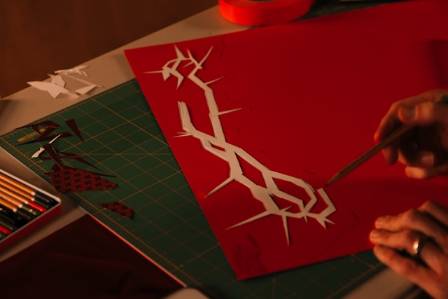
How to Tear Paper for Textured Edges
Creating a torn paper edge is a simple technique that can add texture, depth, and character to crafts such as card making, scrapbooking, and rubber stamping. Although tearing paper may seem effortless, using the right methods can help the effect appear intentional and polished rather than random. By understanding how paper behaves and practicing a few techniques, you can achieve attractive and consistent results.
Clara Winters
Writer
Lounge note
Settle in — the full story and key updates are below.
Desk
Entertainment
Creating a torn paper edge is a simple technique that can add texture, depth, and character to crafts such as card making, scrapbooking, and rubber stamping. Although tearing paper may seem effortless, using the right methods can help the effect appear intentional and polished rather than random. By understanding how paper behaves and practicing a few techniques, you can achieve attractive and consistent results.
Understanding How Different Papers Tear
Paper is made from compressed wood fibers. Papers with finer fibers tend to have a smoother surface and a tighter structure, while papers with coarser fibers often produce more texture when torn. When paper is cut with scissors or a craft knife, the fibers remain hidden, but tearing exposes them and creates a soft, textured edge.
Because papers are manufactured differently, each type responds uniquely when torn. Cardstock, construction paper, rice paper, watercolor paper, and handmade papers all produce distinct textures and appearances along the torn edge.
Many papers also reveal a different interior color when torn. Patterned, printed, or colored papers may have a core that contrasts with the surface, creating interesting visual effects and additional design opportunities.
Before using a paper in a finished project, it is helpful to experiment with scraps. Testing different materials allows you to see how they tear and what kind of edge or color variation they produce.
Techniques for Tearing Paper
By combining different tearing methods with various paper types, you can control the appearance of the finished edge and create the effect you want.
Practice Controlling the Tear
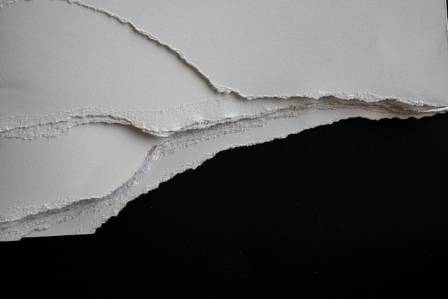
Begin with a few pieces of scrap paper and practice making tears. Most people naturally pull the paper toward themselves with their dominant hand, which influences the direction of the tear.
Try gently adjusting the direction as you tear. Pulling slightly left or right can change the shape and texture of the edge. Tearing slowly often produces a cleaner result, while tearing against the grain of the paper may reveal a rougher, more textured edge.
Each paper behaves differently. Handmade papers, for example, often contain visible fibers that create highly textured, organic-looking edges. These natural variations are part of what makes torn-paper techniques visually appealing.
When tearing around a stamped image, illustration, or printed design, leave extra space around the artwork. This gives you room to refine the shape later without accidentally damaging the image.
Using Water as a Tearing Guide
If you need a more controlled and precise tear, use water as a guide. Apply a thin line of water along the area where you want the paper to separate. Allow the moisture to soak into the fibers for a minute or two.
Once the paper is damp, gently tear along the wet line. The weakened fibers will naturally guide the tear, helping you achieve a cleaner and more predictable edge.
Enhancing Torn Edges
The exposed texture of a torn edge can be emphasized to create additional depth and dimension. Lightly applying ink, chalk, or other coloring mediums along the edge helps highlight the fibers and make the effect more noticeable.
Watercolors can also be used to create a soft, aged appearance that resembles vintage or weathered paper. Before applying any coloring technique to a finished project, test it on scrap paper to become familiar with the effect and ensure it complements your design.
With a little practice and experimentation, torn paper can become a versatile design element that adds texture, contrast, and visual interest to a wide range of creative projects.
More to explore

· en
5 Pespectives for Understanding the Dynamics of Social Media in Public Opinion Formation
Dominic
· en
Exploring Solar Sail: Next-Gen Propulsion for Interstellar Travel
Nathan Cole
· en
UAE Desert Adventures: Embrace Tranquility Beneath Starry Skies
Amelia Quinn
· en
Discovering Grace Bay: A Turquoise Treasure of the Caribbean
Alex

· en
Evolution of Submersibles and Deep Sea Exploration Operations
Julian Marshall

· en
All about the Common European Robin
Selene Marlowe