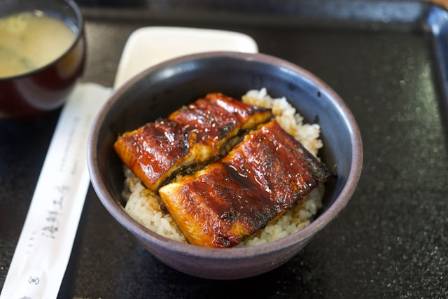
Feature story
Exploring The Amazing Taste of Japan’s Must-Try Eel Cuisine
Have you ever tasted a dish that completely transformed how you view a certain ingredient? In Japan, the freshwater eel, known as unagi, offers precisely that experience. Unagi (written as 鰻, うなぎ, or sometimes ウナギ in Japanese) holds a revered place in Japanese cuisine, delighting both locals and travelers alike with its buttery texture, rich flavor, and the subtle complexity that makes each bite memorable.
Sage Indigo
Writer
Lounge note
Settle in — the full story and key updates are below.
Desk
Entertainment
Have you ever tasted a dish that completely transformed how you view a certain ingredient? In Japan, the freshwater eel, known as unagi, offers precisely that experience. Unagi (written as 鰻, うなぎ, or sometimes ウナギ in Japanese) holds a revered place in Japanese cuisine, delighting both locals and travelers alike with its buttery texture, rich flavor, and the subtle complexity that makes each bite memorable.
What is Unagi?
Unagi, scientifically called Anguilla Japonica, is a freshwater eel prized for its tender, succulent meat and layered taste. It should not be confused with its saltwater relative, anago (穴子), which also appears in Japanese dishes. Unagi boasts a deeper, more robust flavor and firmer texture, whereas anago is softer, more delicate, and slightly sweeter. Each offers a unique culinary experience, but unagi is celebrated for its intense, satisfying richness.
Where to Enjoy Unagi
In Japan, unagi can be found in a wide range of dining spots. Specialized unagi restaurants, called うなぎ屋 (unagiya), provide the most authentic experience. Sushi bars, izakayas, robatayaki grills, and even certain restaurant chains feature this prized ingredient. For a quick taste, unagi can also be purchased in supermarket deli sections or even convenience stores, making it accessible for everyone.
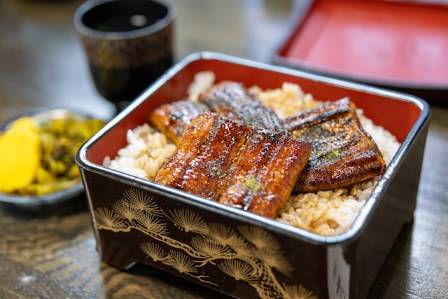
Types of Unagi Dishes
Kabayaki: This iconic preparation involves butterflying and skewering the eel fillets, grilling them while brushing with a sweet soy-based sauce. The result is a caramelized, juicy eel, often served over rice.
Shirayaki: A more understated style, shirayaki involves grilling the eel without sauce to highlight its natural flavor. It’s typically accompanied by soy sauce or wasabi and usually served with rice or sake on the side.
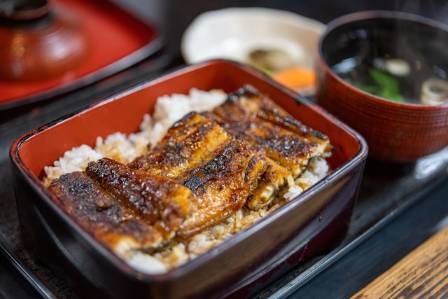
Unadon and Unaju: Both dishes present kabayaki over rice. Unadon, short for unagidonburi, comes in a large bowl and is often a reasonably priced option. Unaju, served in a lacquered, tiered jūbako box, is considered more luxurious and may include side dishes for a complete experience.
Hitsumabushi: Originating in Nagoya, this dish provides a three-step tasting adventure. The grilled eel is enjoyed plain, mixed with seasonings, or combined with a savory broth, offering a progression of flavors and textures.
Kimosui: A light, clear soup featuring eel liver, kimosui has a delicate umami and slight sweetness, often served to cleanse the palate during a meal.
Other Variations: Unagi pairs beautifully with egg in dishes like unatamadon (eel and scrambled egg over rice) or umaki (eel rolled in an omelet). Unagi sushi places tender grilled eel atop seasoned rice, while uzaku combines thin eel slices with cucumber and a tangy dressing. For a crunchy snack, unagi bone senbei delivers a crispy, savory treat made from grilled eel bones.
Pricing
Unagi dishes vary in cost. Conveyor belt sushi serves unagi sushi around 200–500 JPY per plate. Unadon typically ranges from 1,000 to 2,500 JPY depending on the restaurant. Premium dishes like unaju and hitsumabushi start around 2,000 JPY and can exceed 10,000 JPY at upscale establishments. Convenience store options are more affordable, generally 500–1,200 JPY. Locally sourced eel tends to be more expensive than imported varieties.
Tips for Enjoying Unagi
To fully appreciate unagi, sample different styles — from the sweet, smoky kabayaki to the delicate shirayaki and the multi-step hitsumabushi. Sprinkling a little sanshō (Japanese pepper) adds a citrusy, slightly numbing flavor that complements the eel beautifully.
In Japan, especially during midsummer on the “Days of the Ox” (土用の丑の日, doyō no ushi no hi), eating unagi is a traditional way to boost stamina during hot weather. These dates vary yearly, for example, July 30 in 2023 and July 24 and August 5 in 2024. Participating in this custom adds a cultural layer to your culinary experience.
Conclusion
Exploring unagi opens a window into the artful and refined world of Japanese cuisine. Whether dining at a casual spot or an upscale restaurant, tasting unagi is an essential part of a Japanese food journey. Each dish offers more than a meal — it provides a memorable, flavorful adventure that captures the essence of Japan’s rich culinary traditions.
More to explore

· en
Ancient Pyramids Around the World
Ella Thompson

· en
3 Spots for OC Beach and Ocean Sunsets
Freya Nolan

· en
What is a sambar deer?
Nathan Cole

· en
Evolution of Submersibles and Deep Sea Exploration Operations
Julian Marshall

· en
Strawberry Milkshake Without Ice Cream
Julian Vance

· en
The Cuomo Bridge A Landmark Rising Over the Hudson
Liora Ashford