Feature story
Intriguing Facts about Traditional Cave House Dwelling
The Cave House, known as “窑洞” (Yaodong) in Chinese, is a unique traditional style of residence widely found throughout the Loess Plateau in northwestern China. Located mainly around the Wei River Valley, this region was created over millions of years by layers of fine soil carried by windstorms, forming rich and fertile land that supported some of China’s earliest civilizations.
Orion Prescott
Writer
Lounge note
Settle in — the full story and key updates are below.
Desk
Entertainment
The Cave House, known as “窑洞” (Yaodong) in Chinese, is a unique traditional style of residence widely found throughout the Loess Plateau in northwestern China. Located mainly around the Wei River Valley, this region was created over millions of years by layers of fine soil carried by windstorms, forming rich and fertile land that supported some of China’s earliest civilizations.
Taking advantage of the thick layers of loess soil, local people developed a practical, sustainable, and environmentally friendly way of living by carving homes directly into the earth. After more than 4,000 years of development and improvement, cave dwellings remain common in areas such as Shanxi, Shaanxi, and Henan, providing homes for approximately three million people.
A Long History Stretching Back Thousands of Years
The origins of Chinese cave houses can be traced back to the 2nd millennium BC during the Xia Dynasty period. However, these underground dwellings became more widespread during the Han Dynasty, when construction methods and techniques began to improve.
Over the following centuries, especially during the Sui and Tang Dynasties, cave dwelling technology continued to advance. The popularity of these homes reached its height during the Ming and Qing Dynasties. Even today, millions of people in northern China continue to live in these traditional earthen houses.
Three Main Types of Cave Houses
Cliffside Cave Dwellings
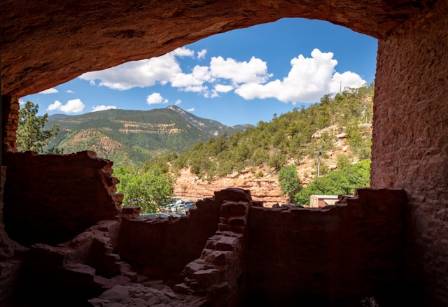
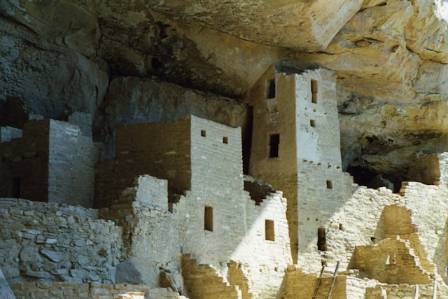
Cliffside caves are usually constructed along hillsides. Builders cut into the side of a mountain or slope, creating rooms with rectangular floors and curved ceilings.
Depending on the number of cave entrances, these homes can be divided into single-room, three-room, or five-room layouts. One remarkable example is an ancient cave dwelling in Waxie District, Ning County. Covering around 200 square meters, the thousand-year-old structure contains one entrance and five windows for ventilation and sunlight, and it was once capable of housing hundreds of people.
Sunken Cave Dwellings
Sunken caves are mainly found in flat areas where hills or natural cliffs are unavailable. Residents first dig a large square pit approximately 5 to 8 meters deep into the ground, then carve living spaces into the surrounding underground walls.
If the pit is surrounded by flat land, a sloped pathway is created for access. When located near a cliff or steep hillside, a carved passage connects the underground home with the surface.
The greatest advantage of sunken caves is their excellent insulation. The surrounding earth naturally protects residents from extreme summer heat and freezing winter temperatures.
Hoop Cave Dwellings
Hoop caves are usually built partially or completely above ground in areas where the loess layer is thin, slopes are gentle, or there are no suitable cliffs for excavation.
Inspired by underground cave structures, builders create arched rooms using materials such as wheat straw and mud. Each arch typically includes a high window that allows sunlight to enter. Because of the complicated construction techniques required, hoop caves are considered one of the most valuable forms of cave dwellings.
Naturally Cool in Summer and Warm in Winter
Because cave houses are surrounded by thick layers of soil, they provide excellent natural insulation. The underground environment helps maintain comfortable temperatures, keeping interiors cool during hot summers and warmer during cold winters.
This natural climate control is one reason some elderly residents continue to prefer cave homes even when younger family members move into modern concrete apartments.
Another traditional heating method is the “Kang,” a special heated bed commonly found in rural northern China. The Kang is an earthen platform with a fire channel underneath connected to the kitchen stove. During cooking, heat travels through the structure and warms the sleeping surface, while smoke is released through an external chimney. During harsh winters, this system provides warmth and comfort despite freezing winds outside.
Traditional Architecture Reflecting Chinese Philosophy
The curved entrances and rounded roofs of traditional cave houses create a gentle contrast against the open landscapes of the Loess Plateau. Although their appearance may seem simple, their design reflects the traditional Chinese concept of “round heaven and square earth.”
The natural shapes of these homes demonstrate how ancient builders combined practical living needs with philosophical ideas about harmony between humans and the environment.
A Symbol of Harmony Between People and Nature
Many cave houses feature high arched ceilings and large windows around the main entrance, allowing natural light to enter deep into the interior spaces.
The curved structure not only increases the usable indoor area but also creates a comfortable and spacious atmosphere. Dr. Liu Jiaping, an expert in thermal and energy-saving architecture from Xi’an University of Architecture and Technology, described cave dwellings as comfortable and energy-efficient homes that remain warm in winter and cool in summer.
From an architectural perspective, cave houses represent a successful example of humans adapting to nature while creating practical and beautiful living spaces.
The Role of Cave Houses in Modern Chinese History
Cave dwellings also played an important role in China’s modern history. Although many people know that the Communist Party of China developed strong roots in rural areas, fewer are aware of the importance of the cave homes in Yan’an.
After the Long March, Mao Zedong and remaining Red Army members settled in Yan’an’s cave dwellings. From these simple underground homes, they organized political and military activities, eventually leading the Communist Party through the War of Resistance Against Japan and the Chinese Civil War.
It was also in Yan’an that Mao developed important military theories, including his well-known work on prolonged warfare.
Limitations of Traditional Cave Homes
Despite their many advantages, cave houses also have several disadvantages when compared with modern residences.
Because they are carved directly into the earth, cave homes can become damp during summer, which may damage wooden furniture and belongings. Their limited openings mean that only one side usually receives sunlight, creating darker interiors during cloudy weather.
These structures can also be vulnerable to natural disasters such as heavy rain, landslides, mudflows, and earthquakes. Without improvements, they may not meet modern hygiene requirements.
The restricted space and humid environment also make it difficult to install all modern electrical appliances. Furthermore, with increasing population density, traditional earth-based housing is no longer suitable as a long-term solution for many communities.
The Decline of Cave Houses as Main Residences
Cave houses are still widely found in northwestern China, especially in Shaanxi, Shanxi, Gansu, and Ningxia provinces. Historical records suggest that around three million people continue to live in these traditional homes.
However, government housing programs have encouraged rural residents to move into safer and more modern houses. These efforts have gradually reduced the number of people living in caves.
In many villages, younger generations are leaving their ancestral cave homes and moving to cities in search of education and employment opportunities. Today, many remaining cave residents are elderly people or those with limited financial resources. Although improvement programs continue, preserving these traditional communities remains a long-term challenge.
Cave Tourism Brings New Life to Ancient Homes
In recent years, some communities have discovered new ways to preserve and reuse cave houses through tourism.
Many traditional cave dwellings in Yan’an and other regions have been renovated into comfortable accommodations equipped with modern facilities. These cave hotels offer visitors a unique opportunity to experience local culture while staying in a historic style of residence.
Although cave houses are no longer the dominant form of housing in northern China, they remain an important cultural symbol. They represent the origins of northern China’s residential traditions, preserved memories of generations, and witnessed major changes in Chinese society.
Today, this ancient architectural heritage faces challenges from modernization and industrial development. Protecting and passing on the culture of cave dwellings has become increasingly important, ensuring that future generations can understand the creativity and wisdom behind this remarkable form of traditional architecture.
More to explore

· en
The Tallest Coastal Mountains in the World
Henry

· en
Top Handmade Items to Craft and Sell in 2025
Elizabeth Nelson

· en
Embark on a journey beyond boundaries: explore the wonders of Slovenia
William Henry Clark

· en
The Salty Single Blade of Coastal Canoeing
Aria Whitmore

· en
What is a sambar deer?
Nathan Cole

· en
Paris at Golden Hour: The Best Spots to Watch the Sunset
Andrew Coleman