Feature story
Iconic Flower Paintings
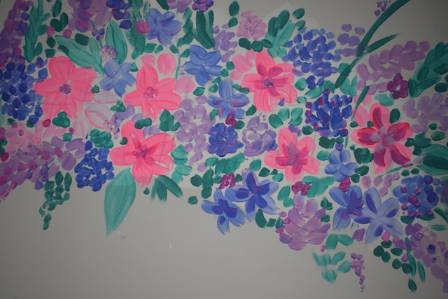
For centuries, flowers have inspired artists with their fleeting beauty and rich symbolism. From radiant sunflower fields to intricately composed still lifes, floral art captures the delicate balance of simplicity and complexity in nature. The allure of renowned flower paintings lies in their ability to stir emotions, tell stories, and transport viewers to serene or vibrant realms.
Miles Grant
Writer
Lounge note
Settle in — the full story and key updates are below.
Desk
Entertainment
For centuries, flowers have inspired artists with their fleeting beauty and rich symbolism. From radiant sunflower fields to intricately composed still lifes, floral art captures the delicate balance of simplicity and complexity in nature. The allure of renowned flower paintings lies in their ability to stir emotions, tell stories, and transport viewers to serene or vibrant realms.
This article takes you on a journey through the world of famous floral art, highlighting 10 extraordinary works that blend historic masterpieces with contemporary interpretations, including Miguel Camarena’s modern exploration of floral beauty in his piece “White Flower Cactus.” By combining cultural influences, artistic innovation, and technical mastery, we celebrate the enduring significance of flowers in art.
Why Flowers Remain Captivating in Art
What makes flowers such lasting muses for artists? Their universal symbolism allows for versatile expression:
Love and Affection: Roses are enduring symbols of romance and passion.
Ephemeral Nature: Lilies and cherry blossoms represent impermanence and renewal.
Cultural Meaning: In vanitas still lifes, wilting flowers reflect the fleeting nature of life.
Flowers embody both simplicity and complexity, making them ideal subjects for conveying profound emotions. Exploring these famous works demonstrates how artists across eras have expressed their unique perspectives through floral imagery.
Notable Artists and Their Floral Masterpieces
Each featured painting falls into a distinctive category, revealing a particular cultural or artistic focus. Together, they showcase the breadth and timeless appeal of floral art.
Masters Who Elevated Floral Painting
Claude Monet – Water Lilies
Monet’s iconic Water Lilies series immerses viewers in tranquil ponds teeming with floating lilies. A pioneer of Impressionism, Monet used light and color to create a meditative atmosphere. His soft brushwork and delicate hues make these pieces enduring examples of famous flower paintings.
Vincent van Gogh – Sunflowers
Van Gogh’s Sunflowers celebrate vibrant color and emotional intensity. His thick, dynamic strokes bring life and energy to the flowers, symbolizing hope and the beauty found in imperfection. These works cement Van Gogh’s status among the most influential flower painters in history.
Cultural Symbolism in Floral Art
Flowers carry profound cultural significance, and many famous paintings highlight these associations:
Jan Brueghel the Elder – Bouquet
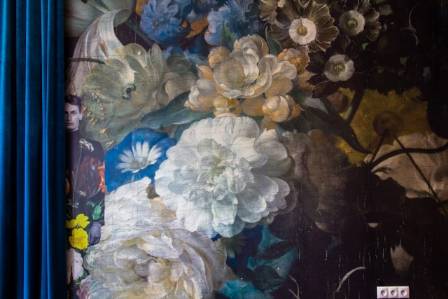
Brueghel’s meticulously detailed Bouquet exemplifies 17th-century fascination with nature’s richness. The arrangement of blooms conveys abundance, wealth, and life’s fleeting moments, solidifying its place as a classic in European floral art.
Gustav Klimt – Flower Garden
Klimt’s Flower Garden radiates vitality with its dense, colorful composition. The painting combines nature’s exuberance with ornamental elegance, celebrating diversity while harmonizing chaotic beauty.
Expressive and Emotional Floral Works
Georgia O’Keeffe – Jimson Weed/White Flower No. 1
O’Keeffe reimagined flowers with her magnified, almost abstract depictions. In Jimson Weed/White Flower No. 1, a simple bloom becomes a powerful, sensual presence, bridging traditional and abstract floral painting.
Lesser-Known but Remarkable Floral Art
Henri Fantin-Latour – Roses
Fantin-Latour’s Roses exude delicate sophistication. The gentle brushwork captures roses in full bloom, offering understated charm that continues to captivate enthusiasts of floral art.
Miguel Camarena – White Flower Cactus
Camarena’s contemporary works, such as White Flower Cactus, bring modern sensibilities to flower painting. His balance of intricate detail and emotional resonance gives a fresh perspective in a field historically dominated by older masters.
Abstract and Modern Interpretations
Wassily Kandinsky – Murnau with Church II
Kandinsky’s work integrates floral elements into semi-abstract compositions, emphasizing mood and energy rather than realism. This approach demonstrates how flowers can inspire abstract artistic exploration.
Hilma af Klint – The Ten Largest
Af Klint combines floral motifs with geometric and spiritual abstraction, blending organic forms with vivid colors. While not strictly floral, her works capture the essence of flower-inspired art in a transformative way.
Impressionist Floral Mastery
Pierre-Auguste Renoir – Roses in a Vase
Renoir’s soft handling of light and shadow in Roses in a Vase creates a romantic and intimate scene. His Impressionist technique emphasizes warmth and delicacy, highlighting the timeless appeal of floral subjects.
Understanding the Themes
Famous floral art spans multiple styles and cultural interpretations:
Impressionism: Monet and Renoir convey serenity and romance.
Modern and Abstract: O’Keeffe and Murakami challenge traditional forms.
Symbolism and Realism: Fantin-Latour and Brueghel explore themes of life, mortality, and abundance.
Flowers’ universal symbolism ensures their lasting relevance in art across periods and movements.
The Continuing Relevance of Floral Art
Floral painting remains vibrant today, evolving alongside contemporary artists. Miguel Camarena, for example, revitalizes the genre with modern approaches, showing that floral art continues to inspire and adapt. From realism to abstraction, flowers remain timeless muses, capable of evoking emotion and beauty in any era.
Conclusion
The 10 featured works celebrate flowers’ enduring charm in art. From Monet’s serene lilies to Camarena’s bold cactus bloom, each piece illustrates nature’s beauty, complexity, and expressive potential. Supporting contemporary floral artists allows the tradition to evolve while honoring its rich history. White Flower Cactus reminds us that floral art is a living, evolving form—forever inspiring, endlessly beautiful.
More to explore

· en
Mountain Lakes of the High Sierra
Elara Winslow

· en
Paragliding: Global Hotspots, Weather Dynamics, and Safety Essentials
Mia
· en
Taj Mahal: The Eternal Marble Masterpiece
Riley Parker
· en
Master Class: Techniques for Painting a Desert Landscape
Caroline Faith Waverly
· en
Nagasaki’s Glittering Secret: A Practical Guide to Omura’s Glass Beach
James Anderson
· en
How to Make a Latte
Zane Holloway