Feature story
An Exclusive Look Into Dolphin Habitats
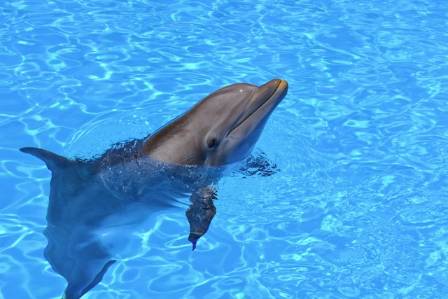
If you are one of the many people fascinated by dolphins, you may be interested to learn that these intelligent and playful marine mammals inhabit waters throughout much of the world. They can be found in both tropical and temperate regions, although they are generally absent from the oceans surrounding the Arctic and Antarctic. Unlike many whales, dolphins tend to prefer warmer conditions. One of the best-known species, the bottlenose dolphin, generally does well in water temperatures ranging from 50 to 90 degrees Fahrenheit.
Darien Royce
Writer
Lounge note
Settle in — the full story and key updates are below.
Desk
Entertainment
If you are one of the many people fascinated by dolphins, you may be interested to learn that these intelligent and playful marine mammals inhabit waters throughout much of the world. They can be found in both tropical and temperate regions, although they are generally absent from the oceans surrounding the Arctic and Antarctic. Unlike many whales, dolphins tend to prefer warmer conditions. One of the best-known species, the bottlenose dolphin, generally does well in water temperatures ranging from 50 to 90 degrees Fahrenheit.
There are, however, dozens of different dolphin species around the world, and each has its own particular requirements and preferences when it comes to choosing a habitat.
Habitat Basics
Dolphins occupy a wide variety of aquatic environments, including open oceans, coastal regions, bays, inlets, river systems, certain inland seas, gulfs, and channels. As mammals, dolphins must breathe atmospheric air through a nostril located on the top of the head, commonly called a blowhole. This means they need to return to the surface regularly to breathe.
Dolphins also consume considerable amounts of food, so they generally spend much of their time in areas where prey is plentiful. These feeding grounds can sometimes extend into deeper parts of the ocean.
Many dolphin species are migratory. They may spend warmer months in one region before moving toward warmer waters as the seasons change and temperatures begin to fall. The movements of their main food sources can also strongly influence where dolphins travel. Because prey distribution can change over time, dolphins are capable of adjusting their migration routes and movements according to changes in food availability.
Other Marine Mammals That Share Dolphin Habitats
The marine mammals found alongside dolphins depend heavily on the climate and environmental conditions of a particular region.
For example, dolphins living in coastal areas of the Pacific Ocean may share their surroundings with seals, sea lions, sea turtles, and playful sea otters. Dolphins that spend more time in offshore waters are more likely to encounter various whale species, including orcas, sperm whales, blue whales, and gray whales.
The Pacific Ocean
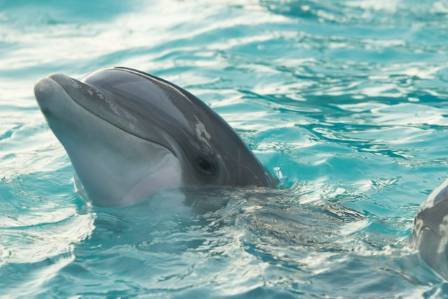
A number of dolphin species inhabit the Pacific Ocean. Bottlenose dolphins have an extensive distribution, occurring from Australia to Japan as well as within the broad region formed by the Hawaiian Islands, the Chilean coastline, and the southern part of the United States.
Some bottlenose dolphin populations live primarily in the open ocean. Over time, these groups have developed a higher tolerance for cooler water. Other populations remain closer to shore and are generally less tolerant of low temperatures than their offshore relatives.
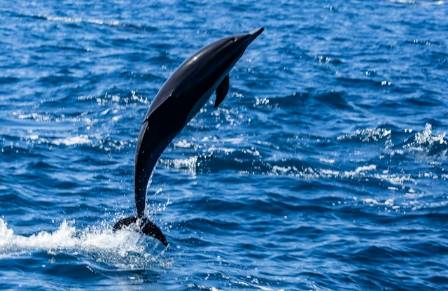
The Pacific is also home to other dolphin species, including spinner dolphins in the South Pacific, Chilean dolphins, and Pacific white-sided dolphins, which are commonly associated with the North Pacific.
Pacific White-Sided Dolphins
Pacific white-sided dolphins are one of the dolphin species that inhabit the cooler waters of the North Pacific Ocean. Their distribution reflects the broad range of marine environments available across this part of the Pacific.
The Atlantic Ocean
Bottlenose dolphins occur in oceans across much of the globe, but particularly large populations can be found in the Atlantic Ocean. This region is also home to Atlantic white-sided dolphins, humpback dolphins, and spotted dolphins.
Atlantic dolphin populations occupy a remarkably broad geographic range. They can be found from the coastal waters of Nova Scotia southward to Patagonia, as well as from Norway down toward the southern tip of the African continent.
The Indian Ocean
The Indian Ocean is home to a regional form of bottlenose dolphin that has adapted to the environmental conditions of this part of the world. Known as the Indo-Pacific bottlenose dolphin, this species inhabits waters around India, along the eastern coast of Africa, and in areas north of Australia and south of China.
Other dolphins found throughout the Indian Ocean region include spinner dolphins, common dolphins, and humpback dolphins. Humpback dolphins are especially associated with coastal waters along eastern Africa and are regarded as one of the area's most endangered marine mammals.
Rivers and Seas
Although most people associate dolphins with the ocean, several species are adapted specifically to freshwater environments. These less familiar river dolphins include the Amazon river dolphin, Yangtze river dolphin, Indus river dolphin, and Ganges river dolphin.
Unfortunately, both the Indus river dolphin and the Ganges river dolphin are currently listed as endangered species.
Bottlenose dolphins can also be found in the Mediterranean Sea, where they share the region with Risso's dolphins, short-beaked common dolphins, and striped dolphins. However, dolphin populations throughout the Mediterranean have been declining rapidly, and some scientists believe these animals could become increasingly uncommon in the region.
Threats to Dolphin Habitat
Regardless of where they live, dolphins face numerous threats to the environments they depend on. Climate change, commercial whaling, fishing activities that result in accidental dolphin by-catch, and growing levels of toxic pollutants all contribute to the deterioration of marine habitats.
Facilities dedicated to marine mammals can play an important role in increasing public awareness, encouraging environmental responsibility, and supporting conservation initiatives around the world. Protecting dolphin habitats and promoting responsible stewardship of marine ecosystems are essential to helping these remarkable animals survive for generations to come.
More to explore

· en
How To Draw A Giant Panda
Peyton Gray

· en
The Most Breathtaking Coastal Scenery in the World: Must-Visit Ocean Destinations
Merry

· en
Fujian Tulou: Ancient Earthen Castles of China
Levi Marlowe

· en
How To Choose The Perfect Women's Suit
Seraphine Crowe

· en
Top Handmade Items to Craft and Sell in 2025
Elizabeth Nelson

· en
Bread Recipe | Homemade English Muffins
Graham Ellis