Feature story
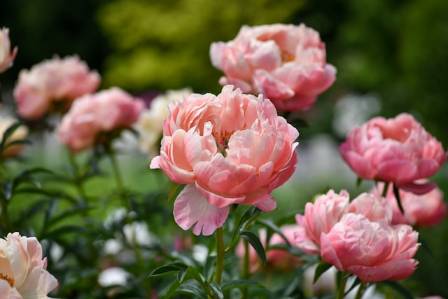
Peony flower symbolism and colours meaning
Peonies have an incredibly long history, dating back to around 1000 BC, nearly 4,000 years ago. These beautiful flowers first became popular in Chinese gardens and later spread to Japan by the 8th century. Today, both China and Japan are well known for their peony cultivation and production.
Cole Everett
Writer
Lounge note
Settle in — the full story and key updates are below.
Desk
Entertainment
Peonies have an incredibly long history, dating back to around 1000 BC, nearly 4,000 years ago. These beautiful flowers first became popular in Chinese gardens and later spread to Japan by the 8th century. Today, both China and Japan are well known for their peony cultivation and production.
In ancient times, peonies were valued not only for their beauty but also for their medicinal uses. The flower was traditionally used as a remedy for various conditions, including headaches, asthma, and even discomfort associated with childbirth. Although modern medicine has replaced these traditional uses, peonies remain highly admired for their ornamental value.
During the late 19th century, peonies were introduced to Europe and quickly became a favorite among gardeners. Their popularity continued to grow, spreading throughout Europe, North America, and other regions around the world. Today, peonies are primarily grown for decoration, and their elegant appearance continues to make them a beloved garden flower.
How Did the Peony Flower Get Its Name?
There are several legends explaining the origin of the peony’s name. One story comes from Greek mythology, where a healer named Paeon discovered a milky substance from the roots of the peony plant and used it to cure Pluto. This made the god of medicine jealous, and Zeus protected Paeon by transforming him into the peony flower.
Another Greek legend tells a different tale. According to this version, Apollo became interested in a nymph named Paeonia and secretly flirted with her. When Aphrodite discovered what happened, she became angry and turned the nymph into a peony.
These myths have helped give the peony a fascinating connection with transformation, beauty, and ancient storytelling.
What Do Peonies Symbolize?
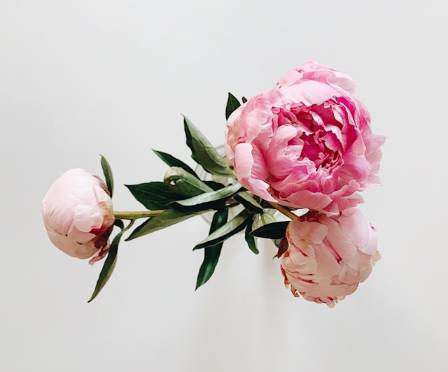
Peonies are often connected with shyness and modesty because of the legend of Paeonia. Over time, this association developed into various beliefs, including the idea that disturbing peony plants could bring bad luck or that dried peonies carried negative meanings. Proper care is therefore important to keep these flowers healthy and beautiful.
In China and Japan, peonies are known as the “king of flowers” and hold an important cultural position. They are commonly featured during significant celebrations, including Chinese New Year. Because peonies were historically enjoyed by Chinese emperors, they became symbols of wealth and high status.
In Japan, peonies are associated with courage, honor, and good fortune. More broadly, peonies represent prosperity, success, love, and respect. They are a meaningful gift for occasions such as weddings, graduations, and new births.
Meaning of Different Peony Colors
The color of a peony can also influence its symbolism. Each shade carries its own special message, making different varieties suitable for different occasions.
White Peonies
White peonies are traditionally linked with shyness and sincerity. They are often given as a thoughtful apology gift, offering a gentle way to express regret and restore harmony.
Pink Peonies
Pink peonies are among the most popular varieties, especially for wedding arrangements. They represent good fortune, happiness, and prosperity, making them a favorite choice for celebrations and romantic occasions.
Red Peonies
Red peonies are powerful symbols of love, passion, respect, and honor. Their rich color makes them a meaningful gift for expressing deep feelings and admiration toward someone special.
Coral Peonies
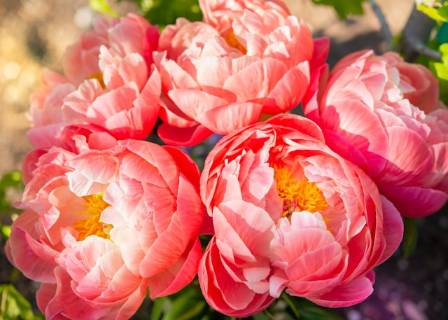
Coral peonies are a distinctive variety that can change shades as the flowers open. They are often associated with elegance, achievement, good luck, and strong connections. These flowers can also symbolize joy, abundance, and a happy life.
Purple Peonies
Purple peonies are connected with royalty, luxury, dignity, and admiration. In many cultures, purple represents strength, ambition, and sophistication. Their elegant appearance makes them a beautiful choice for many meaningful occasions.
Yellow Peonies
Yellow peonies are symbols of happiness, friendship, warmth, and fresh beginnings. Because yellow is often associated with sunshine and positive energy, these flowers are considered a lucky and encouraging gift, especially for friends or family members starting an important new journey.
More to explore

· en
Top 8 Most Powerful Rockets in the World
Seren Alden

· en
What is a whale?
Mark Reynolds

· en
3 Ways Immersing Yourself in Nature Enhances Your Well-being
Mila
· en
Types of Cherries and How to Use Them
Seraphina Wren

· en
A Story You Must Know About The Vermilion Bird
Betty Martin

· en
Fujian Tulou: Ancient Earthen Castles of China
Levi Marlowe