Feature story
Twenty Two Fascinating Hidden Secrets You Might Not Know About Everyday Squirrels
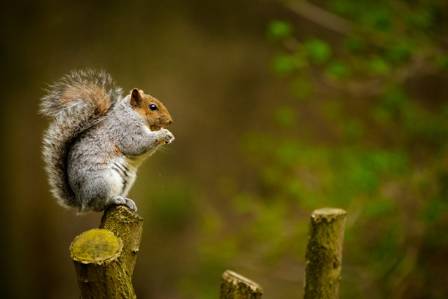
Humans notice these little creatures constantly. We do not always view them in a positive light. Many homeowners complain about ruined backyard gardens. Others get upset when animals occupy their attics. People often forget the highly entertaining history of these rodents. They are the most visible wildlife in our cities. They live peacefully in many crowded suburbs. They have a natural talent for mischief. Yet they rarely face the same hatred as rats or pigeons. They act like furry little diplomats for nature. They turn local parks into their personal embassies. Even people who see them daily might be surprised by their hidden traits. This diverse family of rodents holds many fascinating secrets.
Cooper Sebastian
Writer
Lounge note
Settle in — the full story and key updates are below.
Desk
Entertainment
Humans notice these little creatures constantly. We do not always view them in a positive light. Many homeowners complain about ruined backyard gardens. Others get upset when animals occupy their attics. People often forget the highly entertaining history of these rodents. They are the most visible wildlife in our cities. They live peacefully in many crowded suburbs. They have a natural talent for mischief. Yet they rarely face the same hatred as rats or pigeons. They act like furry little diplomats for nature. They turn local parks into their personal embassies. Even people who see them daily might be surprised by their hidden traits. This diverse family of rodents holds many fascinating secrets.
The Incredible Diversity and Extreme Sizes of the Rodent Family
The biological family is remarkably diverse. They rank among the most successful modern mammals on earth. The group contains more than two hundred and seventy eight distinct species. They are divided into fifty one separate genera. These animals thrive across the frozen Arctic tundra. They also populate dense tropical rainforests. You can find them on busy farms and in giant cities. The family includes familiar tree varieties and unique flying types. It also contains many ground dwelling species. Casual observers might not realize that chipmunks are part of this group. Wild prairie dogs and large marmots belong to the same lineage. They all belong to a single taxonomic group called Sciuridae. They are native to almost every continent except Australia and Antarctica.
The physical dimensions within this group vary dramatically. The absolute smallest species is the tiny African pygmy variety. It measures a mere five inches in length. In sharp contrast the largest varieties are absolutely massive. The Indian giant species grows to incredible proportions. The red and white giant flying variety in China is equally huge. Both of these massive rodents can grow to nearly three feet long.
Continuous Teeth Growth and Shocking Power Grid Disruptions
These creatures possess four front teeth that never stop growing. Their incisors grow continuously throughout their entire lives. They lengthen at a rate of about six inches every single year. This constant growth is a vital biological adaptation. It helps them endure the endless gnawing required to crack open hard nuts. Without this feature their teeth would quickly wear down to nothing.
Their powerful teeth create a surprising hazard for human infrastructure. Utility lines are no match for their constant chewing. These animals have caused hundreds of massive electricity disruptions over the last few decades. Their gnawing has briefly shut down major financial stock markets in the past. A prominent national security official once noted a startling fact. He stated that these small rodents represent the number one threat to the modern electrical grid. They have successfully knocked out power systems far more times than foreign cyber attackers.
Massive Underground Metropolises and the Origin of Their Name
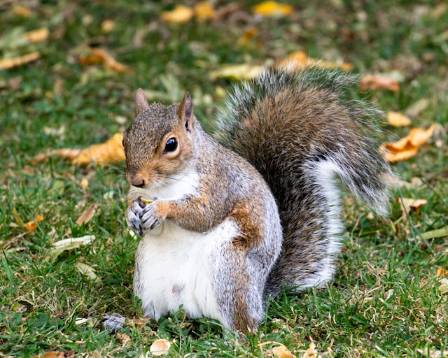
Solitary tree varieties normally prefer to live entirely alone. However they readily change their habits during extreme winter weather. They will nest together in large groups to share body warmth during severe cold spells. A gathered group of these animals is officially called a scurry or a dray.
Other members of the family are exceptionally social throughout the year. Prairie dogs live in highly organized communities. These ground dwelling rodents use complex communication systems. They build massive underground colonies known as towns. These structures can easily span hundreds of acres of open land. The largest recorded colony existed in Texas. This massive community of black tailed prairie dogs stretched one hundred miles wide. It reached two hundred and fifty miles in length. Experts estimated it contained roughly four hundred million individual animals.
The very word used to name these creatures has ancient roots. The term comes directly from old Greek words. It translates literally to shadow tail. This unique name reflects a very specific habit. Tree varieties frequently hide within the shade cast by their own long bushy tails.
Urban Integration and the War of the Invasive Species
These animals were not always common in modern cities. They were actually a rare novelty in urban parks during the mid nineteenth century. Human development had nearly eliminated them from metropolitan areas. City planners responded by designing more green spaces and planting trees. They also actively brought the rodents back into urban centers. One of the first documented reintroductions occurred in Philadelphia in the mid nineteenth century. Similar programs quickly followed in Boston and New York. The population boomed rapidly after these efforts. A famous park in New York hosted about fifteen hundred gray individuals just a few decades later.
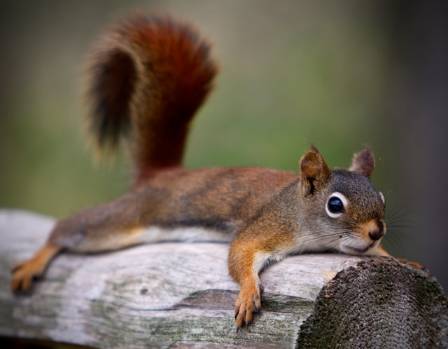
The common eastern gray variety is native to North America. However humans have introduced them far outside their original home range. They now thrive in western territories, Europe, and South Africa. They have become a highly destructive invasive species in the United Kingdom. They actively outcompete the smaller native red varieties for food and shelter. They cause similar environmental problems in other parts of the world. Australia has no native varieties of its own but now battles these introduced pests.
Surprising Culinary History and Clever Anti Theft Strategies
These rodents occupy a vital position in the natural food web. They serve as a primary food source for many wild predators. Snakes, coyotes, hawks, and owls hunt them constantly. Humans have also hunted them for food throughout history. They once served as a primary ingredient in classic American stews. Other domestic meats eventually replaced them in modern kitchens. However the meat is currently making a slow comeback. Certain creative chefs believe humans should actively consume invasive species. This culinary movement is known as invasivorism. You can now find multi course tasting menus featuring this wild meat at specialty restaurants in Scotland.
Their daily diet consists mostly of hard nuts, seeds, and fresh fruit. However they are truly omnivorous creatures. Gray varieties will readily consume insects and small snails when standard food is scarce. They also steal bird eggs and scavenge animal carcasses. Their digestive system has unique limitations. Like many small rodents they are physically unable to vomit. They also cannot burp or experience common heartburn.
They face constant theft from their peers. To protect their food they utilize highly advanced psychological tricks. They will actively dig fake holes to confuse watching rivals. They cover up the empty dirt to make it look like a hidden stash. This clever deceptive behavior throws off potential thieves completely.
Complex Winter Storage and Strange Wildlife Perfume
Very few species actually undergo true winter hibernation. Most varieties rely entirely on hidden food supplies to survive the cold months. Some store their entire harvest in a single central location. This strategy is highly risky. Thieves frequently discover these large larders. Some species lose up to half of their food this way. Many varieties prefer a technique called scatter hoarding. They spread their food across thousands of different hiding places. This labor intensive method minimizes the impact of theft. They possess excellent spatial memory and a powerful sense of smell. These traits allow them to successfully recover up to eighty percent of their hidden food. Certain varieties even use mental strategies to organize their nuts by specific plant species.
Ground varieties have developed a truly bizarre defense mechanism. A scientific study revealed that they collect the discarded skin of dead rattlesnakes. They chew the shed skin into a paste and lick their own fur. This creates a unique wildlife perfume. The scent helps them hide from dangerous predators that rely on smell. Live rattlesnakes are much less interested in hunting an animal that smells exactly like their own species.
Dramatic Color Varieties and Medical Secrets for Human Brains
Spotting a completely solid black or pure white individual is a rare treat. These striking animals are usually common gray varieties in disguise. The solid black coloration is caused by a genetic condition called melanism. This creates an overabundance of dark pigment in the fur. White fur can result from classic albinism. However many white individuals retain dark eyes. This means their coloration stems from a different genetic trait called leucism. Certain geographic regions host large populations of these unique white animals. A specific city in North Carolina features a massive population of them. Local authorities even passed a special law declaring the town a safe sanctuary for white rodents.
Hibernating ground varieties might hold the key to protecting human health. Specialized medical research shows they possess a highly unique neurological trait. Their brains experience heavily reduced blood flow during hibernation. This condition is remarkably similar to what human patients experience during an ischemic stroke. Yet these animals wake up with absolutely no brain damage. Scientists hope to develop a new human medication based on this biological adaptation. The drug could replicate the cellular changes that keep the rodent brains perfectly safe.
Gliding Across Football Fields and False Weather Forecasters
Flying varieties do not actually possess the ability to fly. They utilize large flaps of loose skin stretched between their limbs. This allows them to glide gracefully from tree to tree. A more accurate name for them would be gliding rodents. Their dramatic leaps can easily span one hundred and fifty feet. The largest giant species can cover nearly three hundred feet in a single launch. This distance matches the length of an entire soccer field. They steer accurately by making slight movements with their legs. Their long tail acts as a powerful brake when landing on a trunk.
Ground varieties receive a lot of media attention as seasonal weather forecasters. However their meteorological skills are highly overrated. Famous groundhogs in the United States and Canada are mostly incorrect. Long term studies show their spring predictions have an accuracy rate of only thirty seven percent. You might achieve better results by assuming the exact opposite of their predictions.
Intricate Communication Methods and Zigzag Escape Patterns
These animals are exceptionally talkative creatures. They communicate using a complex network of high frequency vocal chirps. They also rely heavily on expressive tail movements. They use sharp sounds to frighten away territorial rivals. They also yell to warn neighbors about nearby predators. They will loudly scold an enemy to convince it to leave the area. Young offspring use soft sounds to beg their mothers for food. Studies prove they can watch and learn complex tasks from each other. They are especially quick to copy behaviors related to stealing food.
They frequently fall victim to petty theft. Sneaky rivals steal an estimated twenty five percent of all buried nuts. Other sneaky birds also participate in the robbery. However the nuts they lose are not truly wasted. Unrecovered seeds regularly sprout into healthy saplings. These forgotten caches actively help forests grow and regenerate naturally.
When a predator approaches they do not just run away normally. They flee using a highly stylized motion. They run away in a rapid zigzag pattern. This erratic movement makes it incredibly difficult for a hunting hawk or coyote to catch them.
The Right Way to Appreciate Wild Urban Wildlife
We are incredibly fortunate to live alongside these clever neighbors. However the best way to enjoy them is through passive observation. You should never attempt to feed wild rodents. Providing easy food alters their natural behavior. It teaches them to view humans as a constant food source. This can discourage their natural foraging habits. Some individuals carry harmful diseases that can spread to humans. Even healthy animals will bite if they feel cornered or greedy. If a bite occurs you must wash the wound thoroughly. Monitor the area closely for any worsening symptoms. You should seek immediate professional medical assistance if the injury shows signs of infection. They are notoriously aggressive when competing for resources but will happily share when food is abundant.
More to explore

· en
Seeking the world’s largest glaciers
Ronan Whitlock
· en
Moss Impressive: 9 Facts About the Tiny and Mighty Plant
Selah Brooks

· en
Top 5 Most Famous Print Series in Art
Sophie Lane

· en
How to Create Atmosphere in the Garden With Light and Shadow
Lydia Foster

· en
What is Snowboarding?
Ronan Frost

· en
A classical Chinese garden
Avery Rowan