← Back home2 min read
Feature story
Berlin Zoo Welcomes Four Grumpy Pallas's Cat Kittens
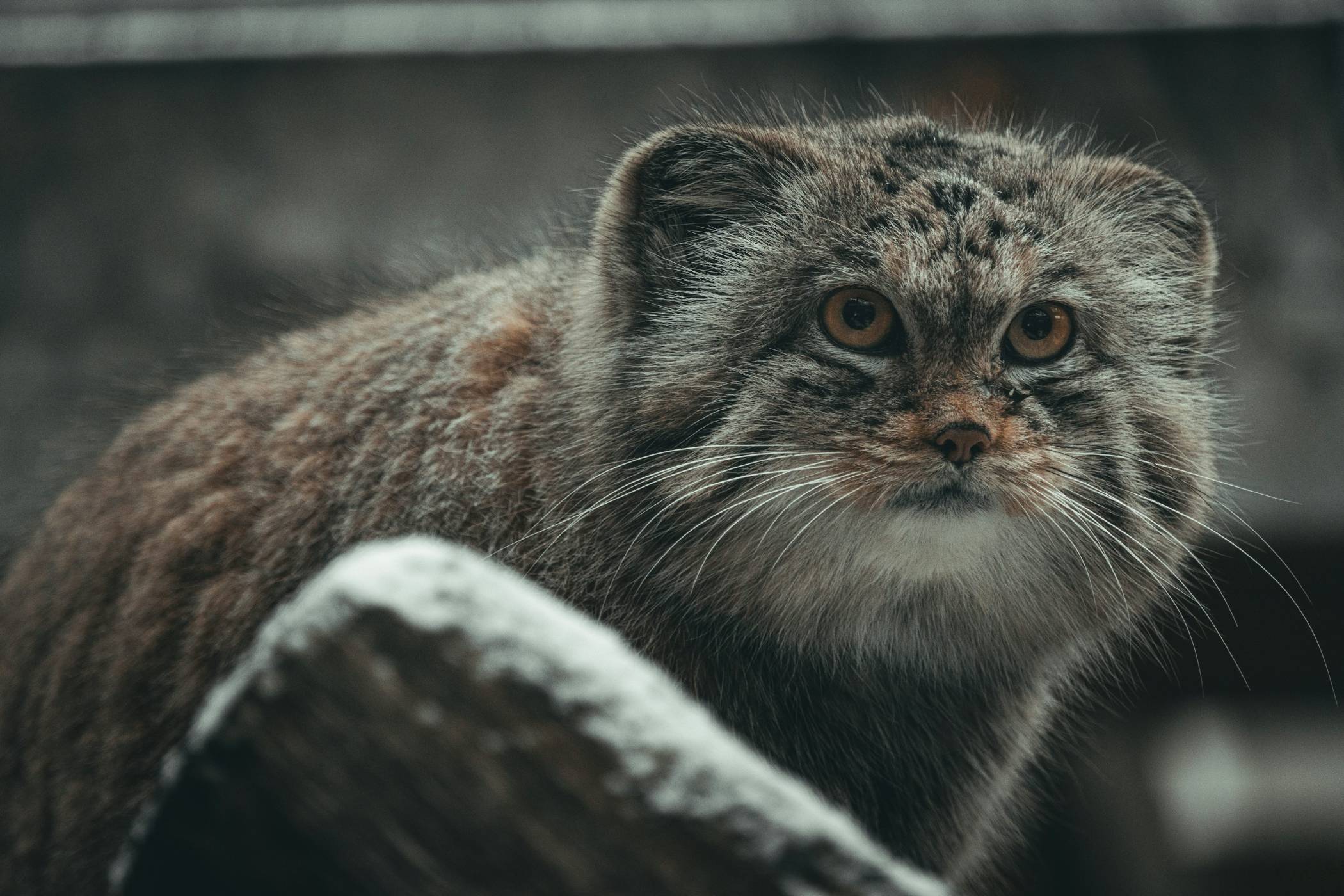
A female Pallas's cat at Tierpark Berlin has given birth to four kittens — the first born at the zoo in 18 years and the first in its new Himalayan area. Although the species has become an internet sensation thanks to its grumpy-looking memes, wild populations are steadily declining due to habitat loss, poaching, and human encroachment, prompting conservation groups like PICA to push for field research and community-based protection measures.
S
Sophie Bennett
Writer
Lounge note
Settle in — the full story and key updates are below.
Desk
Entertainment
Four Pallas's Cat Kittens Born at Tierpark Berlin
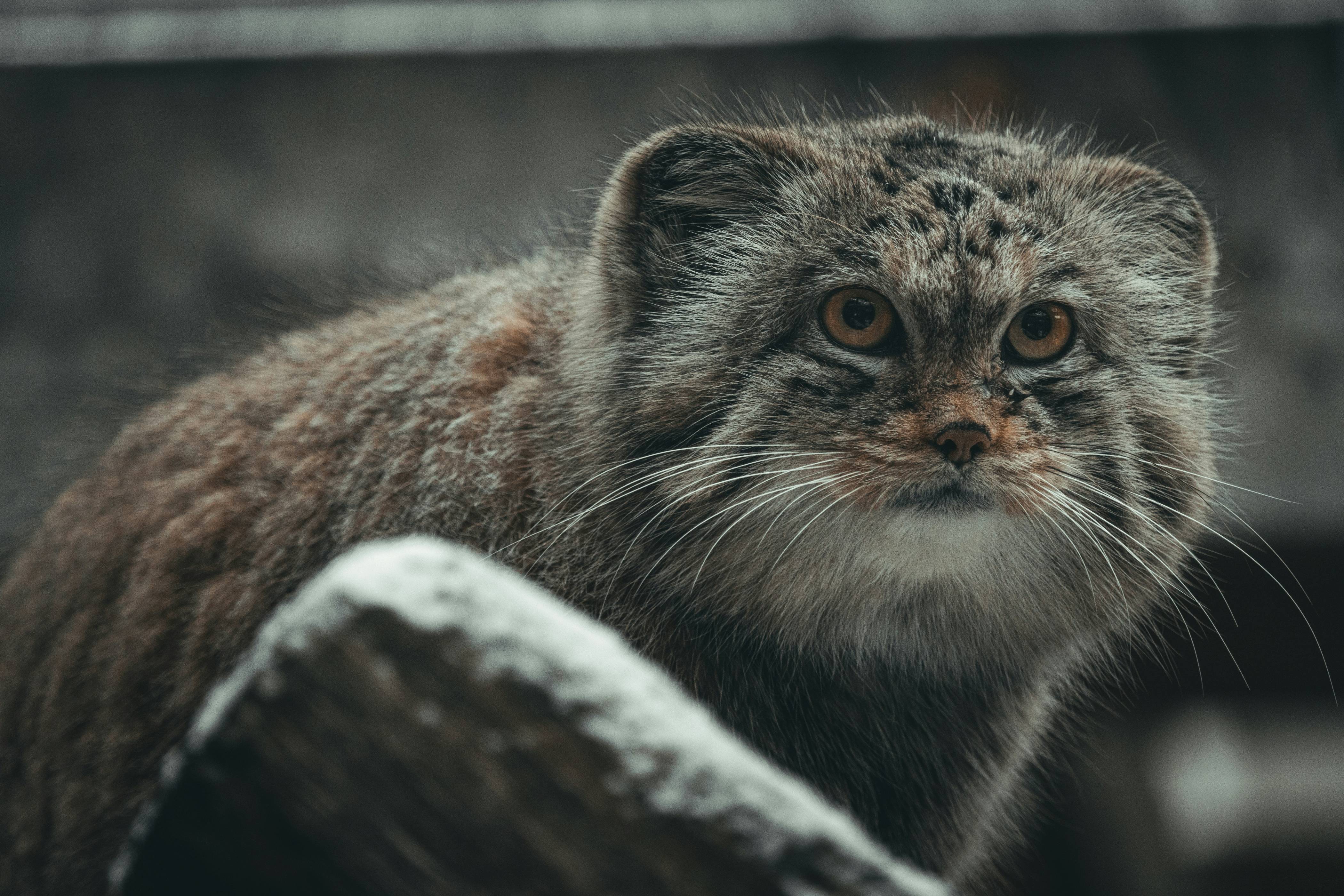
The Pallas's cat, known for its permanently grumpy expression, has become an internet sensation thanks to its starring role in countless memes. Now, the population of these stern-faced felines at Tierpark Berlin has grown considerably — one of the zoo's females recently welcomed four kittens.
When veterinarian Dr Andreas Pauly arrived to administer toxoplasmosis vaccinations and insert microchips, he was met by eight bright blue eyes glaring back at him, as if to say: "Don't even think about it, pal."
Yet despite their massive online following, these wild cats remain largely enigmatic to scientists.
A Small Cat in a Harsh World
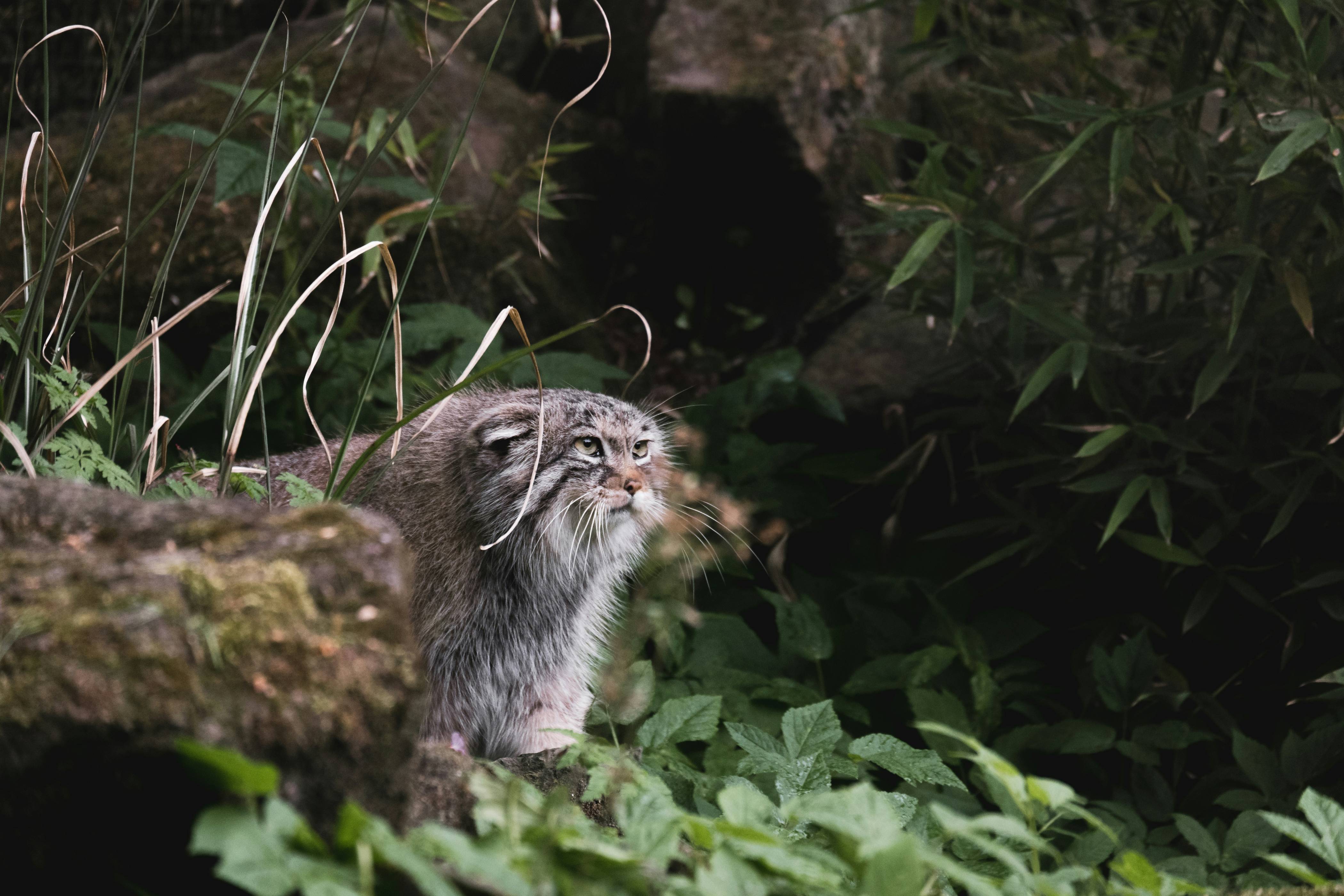
Also called the manul, the Pallas's cat is about the same size as a house cat. Its long, dense fur — particularly in winter — gives it a much bulkier appearance. This thick coat is essential for surviving the brutal conditions of its native range: the cold steppes, semi-deserts, and mountains stretching across Central Asia, from Afghanistan to Mongolia.
Although the species occupies a vast territory, surprisingly little is known about its behaviour and daily life. The Pallas's Cat International Conservation Alliance (PICA) is working to change that. Field research forms a central part of their efforts. A recent study examining the rise of domestic dogs within manul habitats — and the resulting decline in the cat's numbers — is expected to drive concrete, long-term conservation action. PICA's goal is to collaborate with local communities to put such measures in place and halt the species' decline in the wild.
A Rare Birth
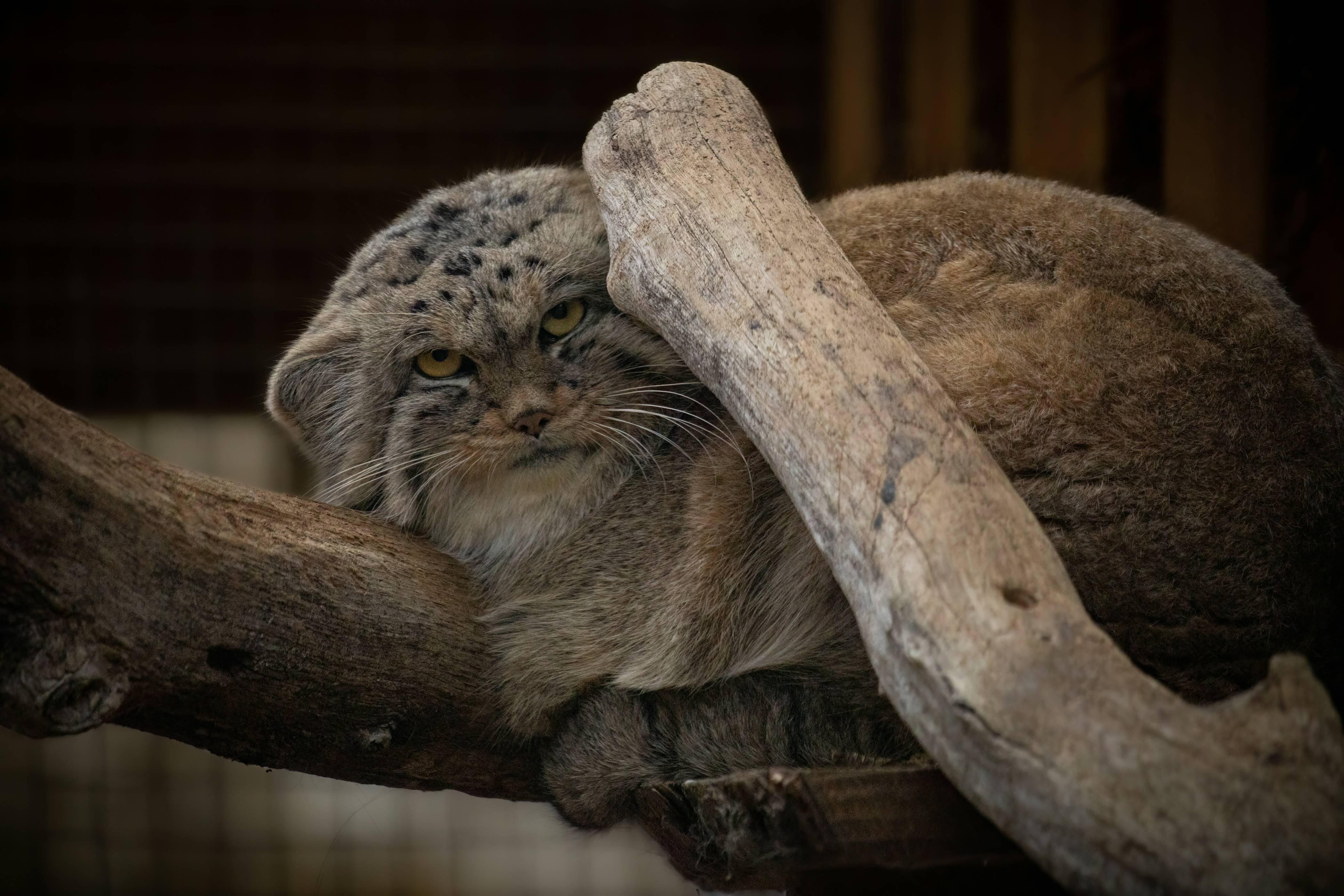
"We are delighted by the birth of a litter of kittens to this increasingly threatened species," said Zoo and Tierpark Director Dr Andreas Knieriem. "With a little luck and patience, Tierpark visitors will be able to spot the bright-eyed youngsters in their habitat at the summit of the Himalayan area."
Zoological Director Christian Kern and the keepers share the excitement: "These are the first Pallas's cat kittens to be born in our new Himalayan area — and the first at Tierpark Berlin in 18 years," Kern said. "The kittens did well in their veterinary check-up, but we are still keeping our fingers crossed."
Conservation Concerns
While the IUCN still classifies this shy feline as "Least Concern," recent scientific evidence indicates that wild populations are steadily shrinking. In some parts of its range, the manul is in fact regarded as threatened. The main drivers of this decline include habitat loss, poaching, poisoning of prey, and human encroachment.
Through its Berlin World Wild conservation programme, Tierpark Berlin supports Pallas's cat research and protection initiatives in the species' natural habitat.
More to explore
· en
Twenty Two Fascinating Hidden Secrets You Might Not Know About Everyday Squirrels
Cooper Sebastian

· en
Fujian Tulou: Ancient Earthen Castles of China
Levi Marlowe

· en
The Symbolism of Koi Fish in Asian Cultures You Should Know
Roy

· en
Discovering Grace Bay: A Turquoise Treasure of the Caribbean
Alex
· en
Red-Headed Vulture: The Guardian of Nature’s Cleanup Crew
Rhys Calloway

· en
The Art of Folding a Paper Crane
Jordan Lee