Feature story
Seven Things to know about Moose
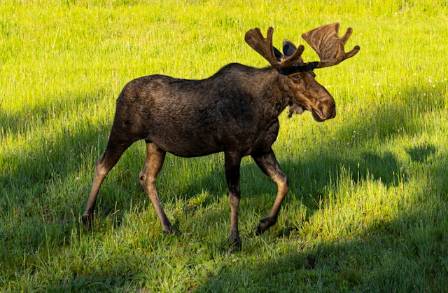
North American moose are generally divided into four subspecies, each occupying a different geographic region.
Damian Wells
Writer
Lounge note
Settle in — the full story and key updates are below.
Desk
Entertainment
North American moose are generally divided into four subspecies, each occupying a different geographic region.
Eastern Moose are found across eastern Canada and the northeastern United States.
Western Moose range from British Columbia through western Ontario and also occur in Michigan’s Upper Peninsula, northern Wisconsin, Minnesota, and North Dakota.
Alaska Moose inhabit Alaska and western Yukon. They are the largest moose subspecies found in North America.
Shiras Moose occur in Wyoming, Idaho, Utah, Colorado, Washington, Oregon, and Montana. They are the smallest of the North American moose subspecies.
Moose Are the Largest Members of the Deer Family
Moose are the biggest animals in the entire deer family. Their enormous size makes them stand out even among other large deer species.
An adult moose typically stands about 5 to 6.5 feet tall at the shoulder and weighs approximately 800 to 1,200 pounds.
Male Moose Lose Their Antlers Every Year
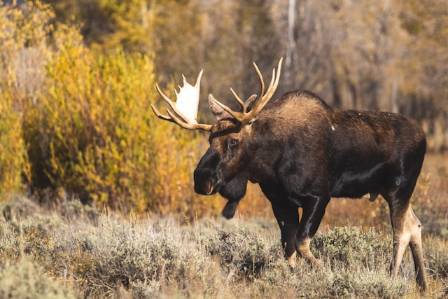
Only male moose grow antlers, and they naturally shed them each winter. The antlers are not simply weapons or displays used during the breeding season. Their large shape also helps direct sounds toward the moose’s ears, improving their ability to detect what is happening around them.
Moose Are Surprisingly Agile on Land and in Water
Despite their enormous bodies, moose are remarkably capable swimmers and runners.
In the water, they can paddle for several miles at a time and are even able to completely submerge themselves for roughly 30 seconds.
They are equally impressive on land. A moose can reach speeds of about 35 miles per hour when running and can maintain a trot of around 20 miles per hour.
Moose Have Familiar Names for Males, Females, and Young
The terminology used for moose is similar to that used for several other large hoofed mammals.
An adult male moose is called a bull.
An adult female moose is known as a cow.
A young moose is called a calf.
Moose Cause More Human Injuries Than Any Other Wild Animal in the Americas
Moose are generally not aggressive animals, but their enormous size means that an encounter can become dangerous when they feel threatened or disturbed.
During the mating season, elevated hormone levels can make males more aggressive and unpredictable. Females with young calves can be particularly defensive. A cow may attack if she believes her calf is in danger, especially if a person accidentally places themselves between the mother and her young.
Giving moose plenty of space is therefore extremely important when encountering them in the wild.
Moose Depend Almost Entirely on Plants
Moose are herbivores and consume a wide variety of vegetation, including numerous plants and fruits.
Aquatic plants make up roughly half of their diet in many cases. Moose are especially well adapted to feeding underwater because they can close their nostrils while submerged, allowing them to browse aquatic vegetation without inhaling water.
More to explore

· en
French Soufflé Recipe
Soren Vale
· en
Red-Headed Vulture: The Guardian of Nature’s Cleanup Crew
Rhys Calloway

· en
Fruits to Eat When You Have Cancer: Nutritional Support, Symptom Relief & Potential Benefits
Hazel
· en
Where Are Rocky Shores Found and How Do They Form?
Mason Cole

· en
Top 8 Most Powerful Rockets in the World
Seren Alden

· en
The Case for Violets: Sorely Misunderstood “weeds”
Mara Sterling